Johannesburg: where to stay and how to plan your visit
Johannesburg, known locally as Jo’burg or Jozi, is a city of contrasts where modern high-rises sit beside colonial architecture, and bustling urban precincts lead to leafy residential pockets. When planning a stay in Gauteng’s largest city, think about your pace, interests and how you want to navigate beyond the centre. A well-chosen base can cut travel time and unlock easy access to both cultural highlights and the surrounding region.
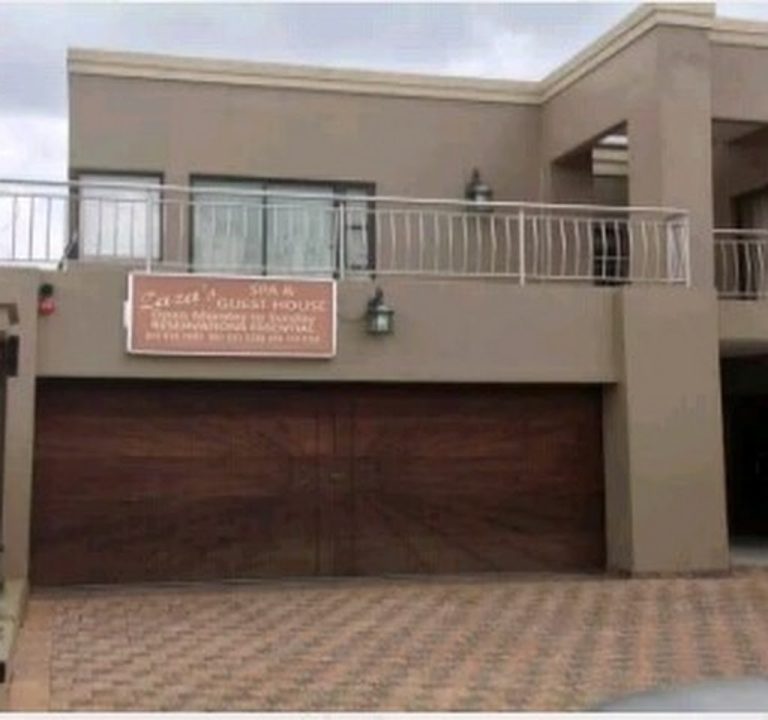
Accommodation options in Johannesburg range from boutique BnBs and guesthouses to mid-range hotels and contemporary apartment stays. For a more personalised experience, you might seek a friendly guesthouse with an on-site host who can suggest hidden eateries, markets and informal tours. If you prefer a lively neighbourhood vibe, consider staying near central hubs with easy transit links, while quieter, characterful districts suit guests who value a more secluded atmosphere. When booking, pay attention to the following elements to ensure a comfortable visit.
Essential considerations include proximity to public transport or major roads, secure parking if you’re driving, and the availability of self-catering facilities or a continental breakfast. Check recent guest reviews for noise levels, consistency of housekeeping, and how responsive the host or front desk is to needs. Look for clear cancellation terms and a transparent description of what is included in the rate—some properties offer optional add-ons such as airport transfers or guided walks, which can add value to your trip.
Typical amenities to expect in well-run Johannesburg stays include reliable Wi‑Fi, climate control or good ventilation, and comfortable bedding. Many places offer tea and coffee facilities, a private or shared lounge area, and access to a small kitchenette or communal kitchen. A few provide secure parking or easy access to rideshare options, which can be handy given the city’s size and traffic patterns. For guests seeking mobility, check whether the accommodation is within walking distance of parks, markets or cultural precincts, and whether there are convenient access routes to a major rail or bus terminus.
Transport and getting around is a practical planning element. Gauteng has an extensive road network, and the city has a growing public transport scene, including bus rapid transit and rail links to surrounding townships and suburbs. If you’re staying in central areas, you may find that many attractions are reachable on foot or by short rides. For longer trips, a rental car offers flexibility to explore beyond the city core, while rideshare services can be a convenient alternative. When selecting a location, consider your daily itinerary: a base near the city centre or Sandton makes day trips to the northern suburbs straightforward, while a stay in Soweto or the inner-city precincts provides proximity to historic sites and vibrant street life.
The best time to visit Johannesburg depends on your priorities. The city enjoys warm summers with afternoon thunderstorms, and mild, sunny winters. If you’re keen on outdoor markets and city festivals, plan for the spring or autumn shoulder seasons when temperatures are comfortable and crowds are moderate. For photography or wildlife excursions in nearby nature reserves, a dry winter period can offer clearer skies and better light. Pack layers to adapt to changing temperatures between day and night, and bring comfortable walking shoes for exploring the city on foot.
Activities and experiences in Johannesburg span culture, history and contemporary entertainment. Visitors generally enjoy discovering museums and galleries that tell the story of South Africa’s past and present, visiting historic townships with guided tours, and exploring modern shopping and dining precincts. For dining, you’ll find a wide range of options from casual eateries serving local favourites to stylish establishments offering inventive menus. In addition to restaurants, markets and street food spots give an authentic flavour of the city, with opportunities to sample artisanal goods and regional produce in friendly, sociable environments.
Practical tips to help you make the most of your stay:
- Plan a balanced itinerary that mixes core city highlights with smaller neighbourhood discoveries to avoid fatigue.
- Check transport options for each day’s plan, factoring in peak-hour traffic and potential delays.
- Book accommodation with a clear cancellation policy and responsive communication to address any changes in plans.
- Request recommendations from hosts or property managers for places to eat, markets and short guided experiences.
- Be mindful of security and safety considerations typical of large urban centres; choose well-reviewed properties in reputable areas and follow local guidance.
In short, Johannesburg offers a dynamic mix of urban life, cultural depth and proximity to natural wonders. By selecting a well-situated base, you can optimise travel time, immerse yourself in the city’s vibrant neighbourhoods, and enjoy a stay that is both relaxing and enriching. Whether you prefer a cosy, homely B&B atmosphere, a stylish boutique hotel, or a modern apartment with easy access to public transport, planning around your interests and practical needs will help you make the most of your Gauteng visit.