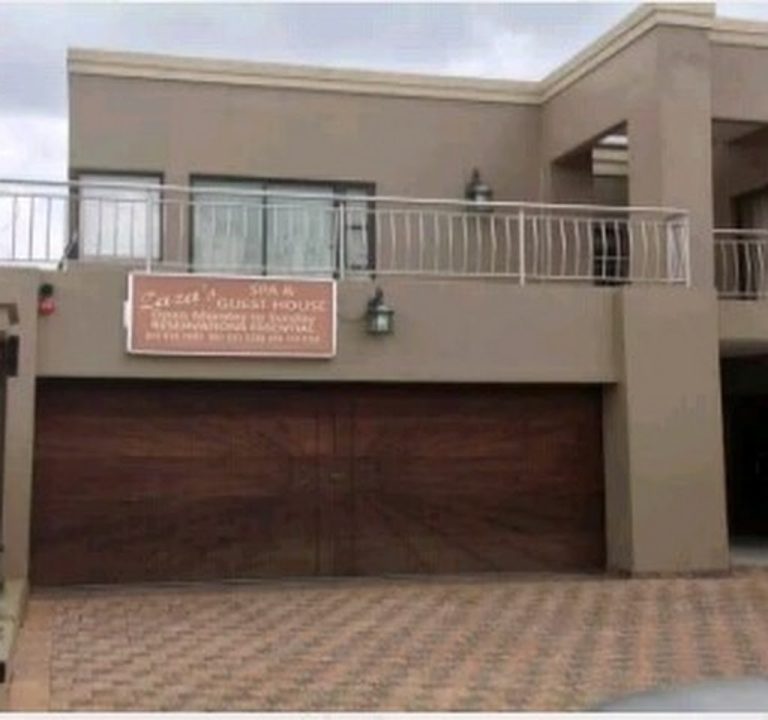
Johannesburg: Accommodation, Attractions and Practical Tips for Travellers
Johannesburg, in Gauteng, South Africa, offers a diverse mix of stays that suit many itineraries—from stylish bed & breakfasts tucked in leafy neighbourhoods to modern hotels with business-friendly facilities and boutique guesthouses in lively districts. When planning a visit, consider what you want from your stay: easy access to transport hubs, a sense of neighbourhood character, or a quieter retreat after a day of exploring. The city is well served by the Gautrain corridors, major highways, and reliable ride-hailing options, making it easy to base yourself in several districts while day-tripping to further afield sights.
Neighbourhoods to consider for accommodation vary in tone. Bed & breakfasts and boutique guesthouses tend to be found in more residential parts that feel safe and walkable, often offering personal touches, homemade breakfasts, and hosts with practical tips about local routes and markets. Contemporary hotels cluster in business-friendly hubs and large shopping districts, where the amenities are predictable and the stay is seamless for longer visits. For a more vibrant, urban vibe, look to pockets of the city that blend culture, street art, and nightlife. If you’re visiting with family or seeking a calmer base, suburban pockets with easy access to parks and quieter streets can be a wise choice.
What to look for when booking a place for a Johannesburg stay:
- Safety and accessibility: Check the area’s general safety profile and whether the property offers secure parking or easy access to public transport.
- Transport links: Proximity to main roads, major bus routes, or rail connections such as the Gautrain can save time and reduce transit anxiety.
- Amenities: A reliable Wi‑Fi connection is often essential for longer trips or work commitments. On-site parking, breakfast options, and air-conditioning are common requirements during Johannesburg’s warm months.
- Space and flexibility: Consider room size, a separate seating area, and conveniences like self-catering facilities or a kitchenette, especially for longer stays.
- Host and staff attention: A responsive host or front desk can be invaluable for arranging local tours, restaurant reservations, and area insights.
Typical amenities you may encounter include en-suite bathrooms, cafés on-site or nearby, daily housekeeping, secure parking, and in some cases a swimming pool or garden spaces. Some smaller guesthouses specialise in personalised experiences—guest hosts who share recommendations for markets, local eateries, and cultural experiences—while larger hotels often offer business facilities, fitness centres, and conference spaces. When staying in residential-style accommodation, you’ll frequently find a generous breakfast spread, with hot dishes and fresh fruit, reflecting the hospitality culture of Gauteng.
Transport and getting around: Johannesburg is a city designed for flexibility. The Gautrain provides fast, reliable links to OR Tambo International Airport, Pretoria, and Sandton, making it a convenient option for arrivals and day trips. Within the city, ride-hailing apps are widely used, and taxis remain a simple way to reach dining and nightlife venues. If you prefer your own pace, renting a car offers the freedom to explore beyond the core urban areas, including the city’s northern and southern suburbs and several open-air markets and parks. When planning day trips, factor in peak traffic times and allow extra time for urban driving, especially during weekday mornings and late afternoons.
Best time to visit Johannesburg and practical planning tips: The city enjoys a mild, temperate climate year-round, but summers can bring thunderstorms and humidity, while winter evenings get quite cool. The dry season, from May to September, is popular for outdoor sightseeing and safaris in nearby regions, with pleasant daytime temperatures and lower humidity. If you visit in the shoulder months, you can enjoy quieter streets and more affordable rates while still benefiting from comfortable weather for strolling neighbourhoods and markets.
Attractions and experiences in general terms: Johannesburg is a gateway to South Africa’s rich history, culture, and natural beauty. Within the city, you’ll find museums and heritage sites that illuminate the country’s past, as well as vibrant arts districts where galleries, theatres, and live music animate the streets. Markets and craft hubs offer a chance to sample local foods and purchase handmade goods, while parks and leafy avenues provide space to unwind after a day of exploring. Beyond the city, guided tours can introduce you to nearby townships, with careful emphasis on respectful, responsible travel that supports local communities. Family-friendly experiences can include interactive exhibitions, story-telling sessions, and guided walking routes that reveal Johannesburg’s diverse architecture and street art.
Food and dining: A culinary mix awaits, ranging from casual eateries and street-food stalls to contemporary bistros and internationally influenced restaurants. When deciding where to dine, look for places that showcase local ingredients and offer well-balanced menus with options for different dietary preferences. Many properties can arrange recommendations or reservations, and in larger districts you’ll find clusters of eateries that let you tailor your evenings to pace and mood, whether you’re after a relaxed dinner with a view, a bustling market atmosphere, or a modern, design-led venue.
For further planning resources, see Johannesburg tourism information.
In summary, Johannesburg rewards travellers who blend comfortable, well-located accommodation with a curious, flexible approach to exploring. With a range of neighbourhoods to base yourself in, straightforward transport options, and a broad spectrum of activities and eateries, the city offers a dynamic backdrop for a memorable stay in Gauteng.