Johannesburg: A practical guide to accommodation, areas, and experiences in Gauteng
Johannesburg, often simply called Jo’burg or Jozi, offers a varied mix of neighbourhoods, modern hotels, inviting guesthouses, and warmly hosted stays that appeal to curious travellers. When planning a visit, consider what kind of base will suit your plans—whether you want easy access to central business districts, a stylish urban village, or a quieter residential feel with easy links to the city’s sights. The city is well connected by road and air routes, and the Gauteng province provides a wide range of day trips and experiences that can complement a stay in Johannesburg itself.
Where to stay and how to choose your area matters as much as the accommodation itself. The central business district and the northern suburbs tend to be convenient for business travellers and visitors who want quick access to museums, theatres, and major sights. For a more boutique, laid‑back vibe, consider properties in the fashion‑forward and revitalised precincts with cafés, galleries, and craft stores. If you’re after a more residential, family‑friendly atmosphere or a gateway to nearby township experiences, there are guesthouses and small hotels in and around quieter neighbourhoods with easy access to transport roads and parks.
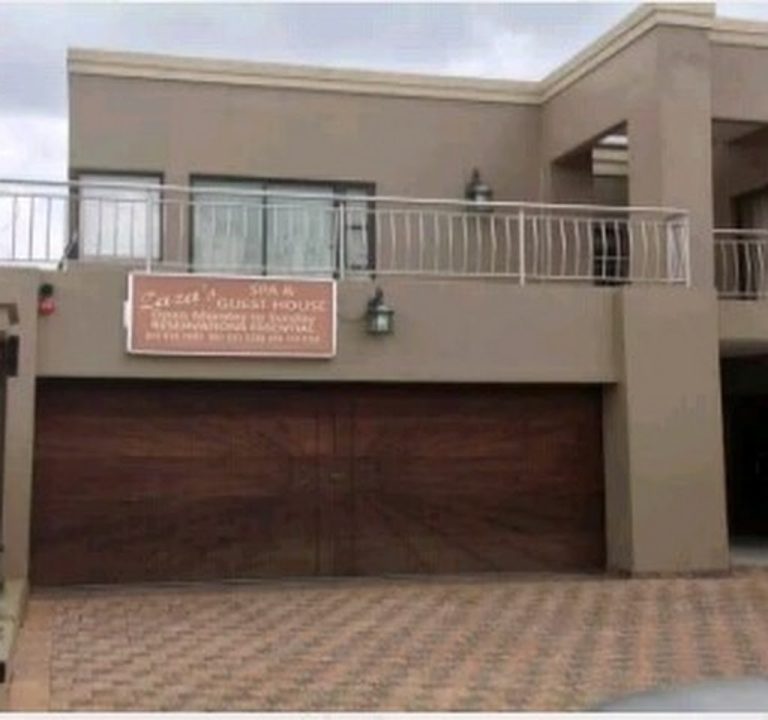
Typical accommodation options range from stylish boutique hotels and heritage‑listed guesthouses to modern apartment hotels and family‑run beds‑and‑breakfasts. When booking, look for rooms with dependable air conditioning, reliable Wi‑Fi, and good security. A guesthouse or B&B may offer breakfast as part of the rate, which can be convenient for early starts to city tours. If you plan longer stays, an apartment with a kitchenette can provide flexibility for self‑catering. Reviews are helpful, but pay attention to how the property handles security, parking, and access to public transport. Direct booking through the property’s own site or a reputable platform often includes clearer cancellation terms, which can be valuable in a city with varied travel plans.
Practical considerations include transport and movement around the city. The Gauteng region has a network of taxis, ride‑hailing services, and car hire, but many travellers prefer staying near major arteries or hubs to limit commute times. Consider proximity to a Gautrain station if you anticipate trips to other areas, such as attractions just outside the city. For daytime explorations, you’ll find traffic can be unpredictable, especially during peak hours, so it helps to plan itineraries with generous margins. If you plan to drive, check whether the accommodation provides on‑site parking, whether it is paid or complimentary, and how secure the area feels after dark. If you’d rather not drive, opt for properties near metro stops or in walkable districts with plentiful dining and culture on your doorstep.
Best times to visit Johannesburg are linked to the weather and local events. The city experiences warm summers with periodic afternoon thunderstorms, and mild to cool winters. Spring and autumn are particularly pleasant for exploring parks, markets, and outdoor installations. For those seeking cultural programmes, major museums and theatres tend to run year‑round, with occasional school holiday–driven crowds. If you are after a quieter stay, shoulder seasons can offer calmer streets and better value on accommodation, while still allowing access to city highlights and day trips to surrounding Gauteng towns and nature reserves.
After you’ve sorted a place to stay, here are some general ideas for planning your stay and making the most of your visit. Start with a flexible itinerary that balances indoor experiences—museums, galleries, historical sites—with outdoor explorations such as parks, markets, and viewpoints. For a taste of the city’s diverse culture, consider experiences that showcase architecture, street art, and community projects in safe, well‑organised formats. Dining options in Johannesburg range from casual cafés to elegant eateries emphasising local produce and contemporary cuisine; many neighbourhoods offer a selection of venues that suit different budgets and appetites. When choosing restaurants or experiences, look for places that prioritise consistency, clear hygiene standards, and local hospitality. Avoid over‑planning, but do identify one or two “anchor” experiences to anchor your days and leave space for spontaneous discoveries.
Areas worth considering for a stay include central zones with easy access to museums, theatres, and markets, as well as more laid‑back districts with boutique hotels and guesthouses, where you can enjoy a slower pace and attractively priced rooms. If your itinerary includes township history, guided experiences can provide context and safety, offering an opportunity to understand Johannesburg’s complex past and vibrant present. Always book through reputable channels, and verify what is included in the rate—parking, breakfast, and whether transfers or tours are offered can influence overall value.
For those planning a longer visit, combine a few nights in the city centre with a stay in a neighbourhood known for its arts or dining scene, and consider a day trip to nearby attractions within Gauteng. Visitors who want to stretch their legs can explore parks and scenic viewpoints, while culture lovers may prefer galleries, theatres, and curated tours. Practical tips include staying alert to your surroundings in busy areas, using reputable transport options, and keeping essential documents secure. With thoughtful planning, Johannesburg offers a dynamic base from which to explore Gauteng’s urban energy, heritage sites, and welcoming hospitality.
- Check room descriptions for air conditioning, Wi‑Fi reliability, and security features.
- Ask about on‑site parking, access times, and transport links to key sights.
- Compare neighbourhood options to match your interests—central access versus a quieter, residential feel.
- Consider a mix of accommodation types if staying for several days to balance price, location, and experience.