Accommodation and a Practical Stay in Johannesburg, Gauteng
Johannesburg, often referred to as Jo’burg or Jozi, is a vibrant gateway to South Africa’s highveld. When planning a stay, travellers benefit from a mix of modern hotels, boutique guesthouses and serviced apartments that suit a range of itineraries, whether you are visiting for business, culture or family time. The city’s accommodation scene tends to cluster around certain neighbourhoods, each offering its own character, convenient transport links and easy access to attractions. Choosing the right base can make all the difference to your overall experience.
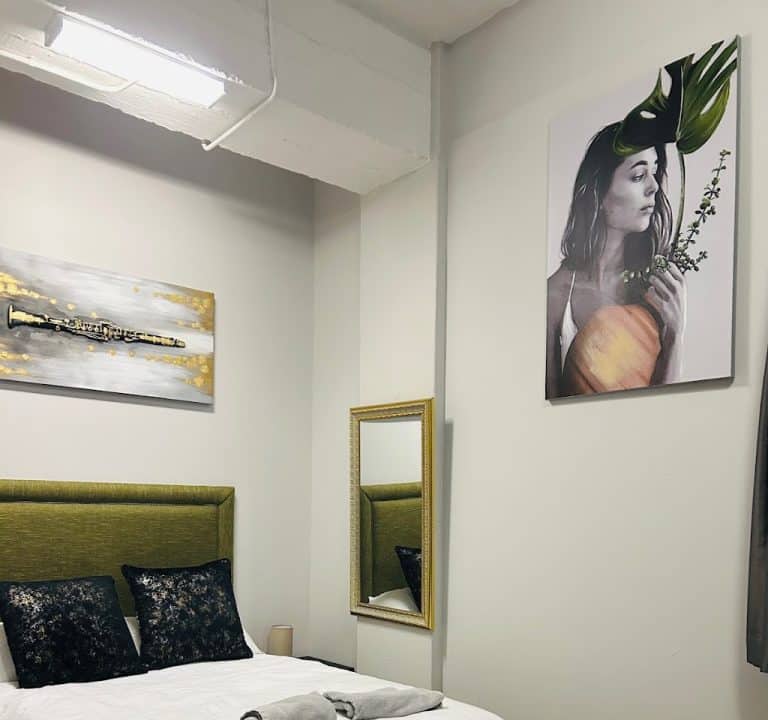
For those seeking a contemporary stay with potentially more space and kitchen facilities, serviced apartments such as modest city-centre options or boutique blocks with modern comforts can be appealing. Look for properties that clearly advertise useful amenities, such as reliable Wi‑Fi, secure parking, on-site reception, and flexible check-in arrangements. If you are travelling with a family or a longer visit in mind, an apartment-style option near a rail hub or coastal-to-centre transport artery can save commuting time and make day trips smoother.
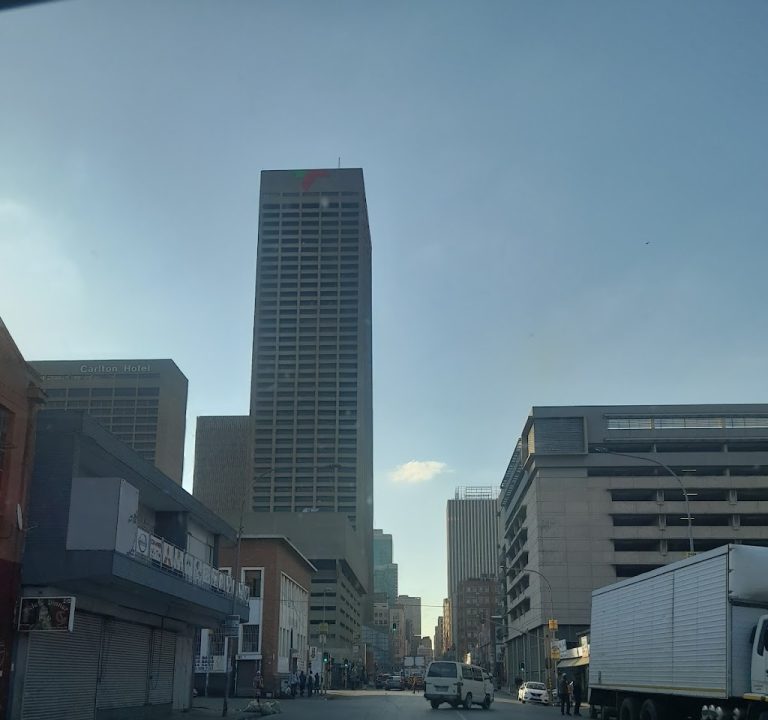
Typical areas to consider include the city centre and the northern suburbs, where many hotels and guesthouses put guests within easy reach of business districts, cultural venues and a lively dining scene. Maboneng and Braamfontein offer a creative, walkable atmosphere and a selection of cafés and eateries nearby. Rosebank and Sandton are convenient for shopping and business travellers, with a broad mix of contemporary hotels and serviced apartments. Parkhurst, Melville and Greenside provide a more relaxed, village-like feel with boutique stays close to cafes and local markets. If your visit includes a broader exploration of the region, Soweto offers historic resonance and guided experiences that are accessible from central bases by public transport or organised tours.
When booking, consider the following practical points to ensure a comfortable stay. First, evaluate the size and layout of the accommodation in relation to your group and luggage. A well-equipped kitchenette, a comfortable living area and a reliable ventilation system can make a big difference for longer stays. Second, read recent guest reviews with attention to cleanliness, responsiveness of the host or management team, and any notes about noise or air quality. Third, check proximity to reliable transport options—whether you plan to use the Gautrain, taxis, or ride-hailing apps—as this will influence daily logistics. Finally, review the security features of the building, such as reception hours, access controls and lighting in common areas, which are important in many urban settings.
Transport in Johannesburg is well-supported by a combination of modern rail connections, bus routes and ride-hailing services. The Gautrain is a popular choice for fast, safe links between the city and O.R. Tambo International Airport, as well as Pretoria and other suburbs. Within the city, many central properties offer easy access to main avenues and pedestrian-friendly streets, while suburban stays may provide quieter evenings and more parking options. If you will be renting a car, confirm parking arrangements and whether there is any additional charge, as on-site spaces and security are common points in guest reviews.
Best time to visit Johannesburg generally aligns with the southern African dry season, which typically runs from late autumn through winter. These months tend to bring clearer skies, comfortable daytime temperatures and lower humidity, making city strolls, markets and park visits more pleasant. If you prefer lush greenery and spring blossoms, the annual rainfall pattern can bring vivid gardens and refreshed city parks in the late spring months. Regardless of season, plan for a mix of indoor and outdoor activities, since weather can vary and occasional showers are possible throughout the year.
When it comes to planning activities, Johannesburg offers a broad spectrum without needing to travel far. Museums and galleries provide insight into South Africa’s complex history and contemporary arts scene. Markets and street-food hubs offer opportunities to sample diverse cuisines and craft goods. Outdoor spaces such as city parks and reserves nearby give a sense of nature alongside the urban fabric. For first-time visitors, guided neighbourhood walks can be a practical way to understand the city’s layout, safety considerations and the best dining spots to suit your taste and budget. If you are staying at a property like mooi city apartments, you can expect a central location with straightforward access to major routes and a website that showcases available options and nearby facilities. For more information, you can explore their site at http://mooicity.com/.
To make the most of your trip, consider the following practical tips:
- Book accommodation with clear information about check-in times, security measures and access to common spaces.
- Prioritise properties that offer parking or easy access to protected public transport, especially if you plan day trips outside the city centre.
- Choose stays close to the areas you intend to explore most, to limit daily commuting time and reduce transport costs.
- Use trusted review platforms to gauge cleanliness, noise levels and overall guest satisfaction.
- Pack with Johannesburg’s microclimates in mind: layers for cooler evenings, sun protection for daytime outdoors, and comfortable walking shoes for uneven pavements.
- Budget for an occasional guided tour or a curated experience to gain context about neighbourhoods, history and culture.
In short, Johannesburg offers a spectrum of accommodation options from modern city-centre suites to relaxed boutique stays, each with access to a city that blends commerce, culture and creativity. With thoughtful planning around location, transport and amenities, visitors can enjoy an efficient, comfortable and enriching stay in one of South Africa’s most dynamic urban destinations.