St Lucia, KwaZulu-Natal: A Practical Guide to Accommodation, Attractions and Local Experiences
St Lucia in KwaZulu-Natal offers a compact, family-friendly base for exploring one of South Africa’s most biodiverse regions. The town sits at the edge of the iSimangaliso Wetland Park, a UNESCO World Heritage Site, and provides a convenient launchpad for day trips to wildlife reserves, wetlands, beaches and coral reefs. When planning a stay, think about what you want from your trip—whether it’s long lazy days by the pool, early-morning game drives, or breezy coastal walks—and choose accommodation that suits your pace and budget.
Accommodation options in and around St Lucia range from boutique guesthouses and self-catering lodges to mid-range hotels and eco-friendly lodges. Many properties are small to mid-sized and offer personalised service with a distinctly local flavour. If you are visiting with a family or a group, look for self-catering units or family suites with cooking facilities, washing facilities and secure parking. For those seeking a wider range of facilities, some lodges and larger guesthouses provide on-site dining, guided activities and arranged excursions. A well-located base near the town centre or the estuary makes evenings easier for strolls along the waterfront and quick access to shops and casual eateries.
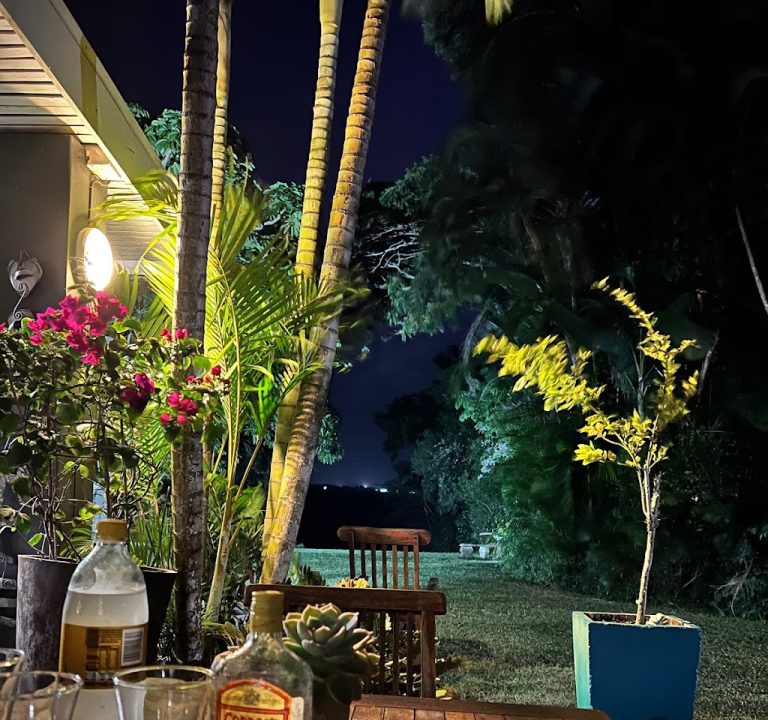
When choosing where to stay, consider proximity to the estuary and sand-dune beaches, plus access to guided tours. Some properties sit within easy reach of the town’s waterfront promenade, while others are set back in quieter residential streets or near nature reserves. If you prefer immediacy of wildlife encounters, you may prioritise lodges or guesthouses with on-site or partner-led safari-style activities close to the wetlands. For a more laid-back break, a charming guesthouse near the lake or a boutique retreat with a courtyard garden can provide a restful atmosphere after days spent exploring.
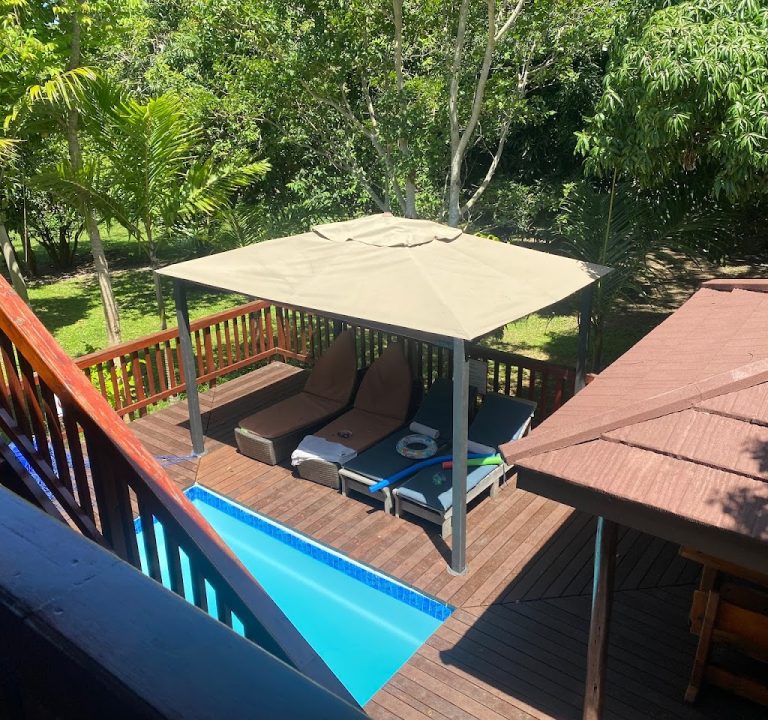
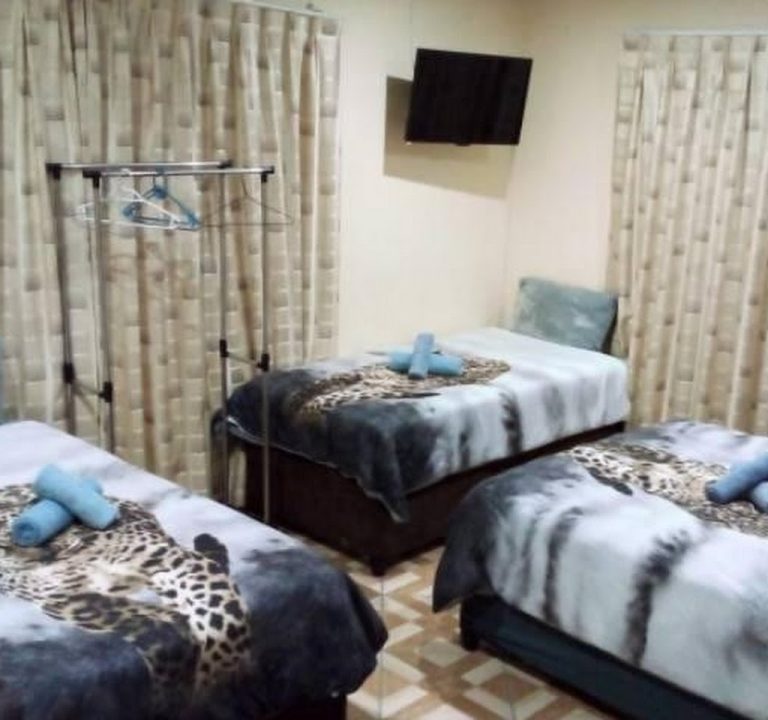
Typical amenities to look for include comfortable rooms with en-suite bathrooms, air conditioning or ceiling fans, and reliable Wi-Fi. Outdoor spaces—balconies, verandas or garden seating—are particularly welcome in warm months. Breakfast shows are common and can save time before morning excursions; some places offer half-board or full-board options. If you are touring by car, confirm parking availability and security. For those not driving, check whether the accommodation can arrange transport to and from key sites or offer airport transfers.
Transport around St Lucia is fairly straightforward. A car is convenient for reaching iSimangaliso’s varied zones, including the shallow estuary, coastal dunes, and protected lagoons. Within town, taxis and organised tours are commonly available, and many guesthouses can assist with arranging guides or day trips. When planning wildlife-facing activities, early starts are beneficial to catch cooler conditions and more active animals, particularly on boat or boat-and-walk safaris on the estuary, or game drives in nearby reserves.
The best time to visit St Lucia depends on what you want from the trip. The subtropical climate brings warm to hot days most of the year, with a wetter summer and a drier winter. Birdwatching and wildlife viewing can be rewarding in autumn and winter, while summer brings lush landscapes and easy access to water-based activities. If you are hoping to combine land and sea experiences, plan a balanced itinerary that incorporates boat trips, nature walks, and time by the beach. Bring sun protection, light layers for cooler evenings, and a light rain jacket for occasional showers.
What to do while you are in St Lucia goes beyond wildlife spotting. The town has a relaxed, Cape-influenced charm, with a waterfront where visitors can stroll, watch boats, and enjoy casual dining along the promenade. You will encounter several eateries offering fresh seafood, regional favourites, and casual fare—ideal for family meals or relaxed evenings after a day of exploration. For a more curated dining experience, look for establishments that showcase local ingredients and simple, flavourful preparations. If you enjoy tasting regional produce, consider a visit to nearby markets or eateries that partner with local farmers and fishers, delivering seasonal dishes with a sense of place.
Several notable experiences make a stay in St Lucia particularly memorable. Guided nature walks through wetlands, boat trips along the estuary, and visits to nearby reserves can offer close-up wildlife encounters in safe, well-managed settings. For water lovers, snorkelling and gentle boat trips to nearby reefs provide colour and calm without the crowds of larger coastal towns. For a broader taste of KwaZulu-Natal, plan a day trip to nearby coastal villages or inland landscapes to experience contrasting scenery, local crafts and traditional hospitality.
Helpful planning tips
- Book accommodation with flexible cancellation policies where possible, especially if travel plans might change with weather or wildlife sightings.
- Choose properties with clear guidance on transport options, early starts for tours, and on-site or partner-led activities.
- Consider a mix of self-catering and serviced options to balance convenience with the opportunity for social dining experiences.
- Pack layers for variable coastal and inland conditions, plus sun protection and insect repellent for outdoor activities.
For a comfortable, well-connected stay from which to explore the region, one option to consider is Monzi Safari Lodge, a lodge offering a gateway to KwaZulu-Natal’s wildlife and eco-tourism experiences. For more information about this or other accommodation, visit the property’s website at www.monzisafaris.com.