St Lucia, KwaZulu-Natal: where to stay, what to do, and how to plan your visit
St Lucia in KwaZulu-Natal offers a compact, wildlife-forward gateway to the iSimangaliso Wetland Park, with a village atmosphere that makes it easy to step into both nature and culture. When planning a stay in St Lucia, consider the different areas and what they prioritise: waterfront sunsets, wildlife safaris, self-catering convenience, or a quieter rural hideaway. The town serves as a practical base for day trips into surrounding reserves, estuary cruises, and coastal adventures, all within a short drive.
Accommodation in St Lucia ranges from self-catering lodges and guesthouses to boutique hotels and family-friendly facilities. If you’re travelling with a small group or family, self-catering or apartment-style options offer flexibility with mealtimes and space for kids to unwind after a day of exploration. For couples or travellers seeking a dash of comfort after a day on the water or on foot, mid-range lodges and small hotels provide more personalised service, often with scenic views and easy access to the town’s amenities. In peak season, book well in advance to secure your preferred style and location, as the area remains popular with South African holidaymakers and international visitors alike.
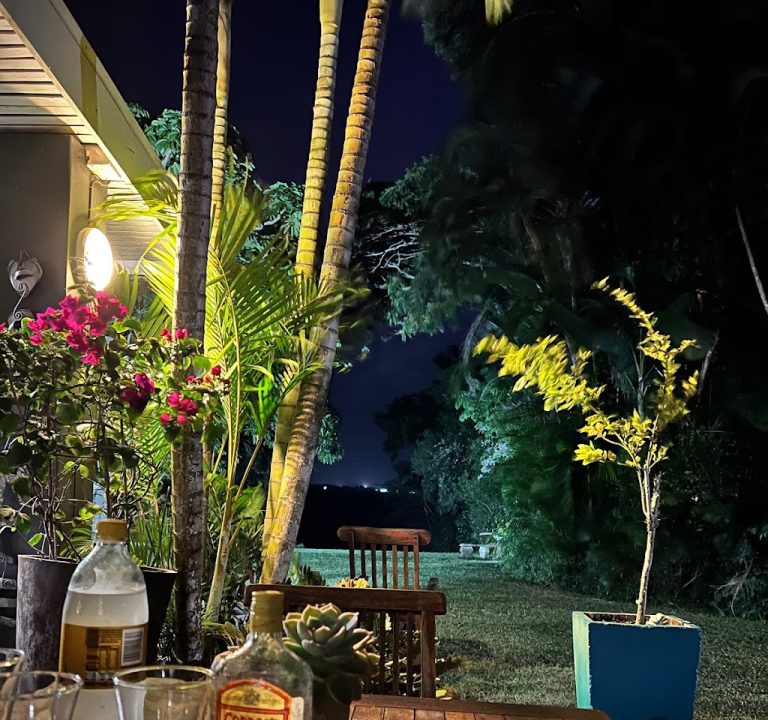
When choosing where to stay, think about proximity to the estuary and the park gates, as well as the types of activities you plan. If you want easy morning access to boat trips or guided safaris, staying near the town centre or the waterfront can save time. If you prefer a tranquil setting with birdwatching or stargazing at night, a lodge a short drive from the bustle might be more suitable. Many properties in St Lucia offer family-friendly layouts, communal kitchens, and outdoor terraces for al fresco meals, making it simple to blend relaxation with discovery.
Typical amenities you can expect include fully equipped kitchens or kitchenettes, free parking, comfortable living spaces, and outdoor areas for enjoying warm evenings. Some properties provide guided experiences, such as self-drive wildlife safaris, birding walks, or close-up estuary encounters, while others offer information on local tours and day trips. Look for properties with air-conditioning or fans for warm Kwazulu-Natal summers, reliable wi‑fi for planning daily outings, and pool facilities if you’re visiting during the hotter months. House rules and accessibility details are worth checking if you’re travelling with children or need mobility considerations.
Transport in and around St Lucia is straightforward but requires a bit of planning. The town is walkable in parts, yet for more distant reserves and estuary trips you’ll want a car or a local shuttle. If you’re staying in a self-catering property, familiarity with village streets will help you locate markets and eateries. For day trips to the iSimangaliso Wetland Park, guided tours can enhance wildlife-spotting chances, while independent exploration follows the same basic rules of safe travel in natural areas: stay hydrated, respect wildlife, and carry sun protection. Remember that wildlife and weather can be unpredictable, so having flexible plans is useful.
The best time to visit St Lucia depends on your interests. The dry season (roughly May to September) tends to offer clearer skies and good wildlife viewing, particularly for land-based game and birdlife. The wetter summer months bring more dramatic skies and lush landscapes, with estuary activity and migrant birds making for excellent opportunities to observe nature’s changing rhythms. Sea conditions vary with the seasons, so check local forecasts if you plan water-based activities such as boat trips or kayaking. Whatever time you go, evenings in St Lucia are often pleasantly mild, ideal for strolls along the waterfront or relaxed dining.
Practical tips to help you enjoy your stay:
- Book accommodation with flexible cancellation where possible, given the potential for weather-driven changes in plans.
- Pack suitable clothing for both warm days and cooler evenings, plus a light rain jacket for the wetter months.
- Carry a reusable water bottle, sunscreen, and insect repellent, especially for outdoor activities near the estuary and in reserves.
- Check access requirements for activities in protected areas, and use licensed guides if you want the most informative wildlife encounters.
- Support local businesses by choosing guesthouses, eateries, and shops that clearly emphasise local products and community contributions.
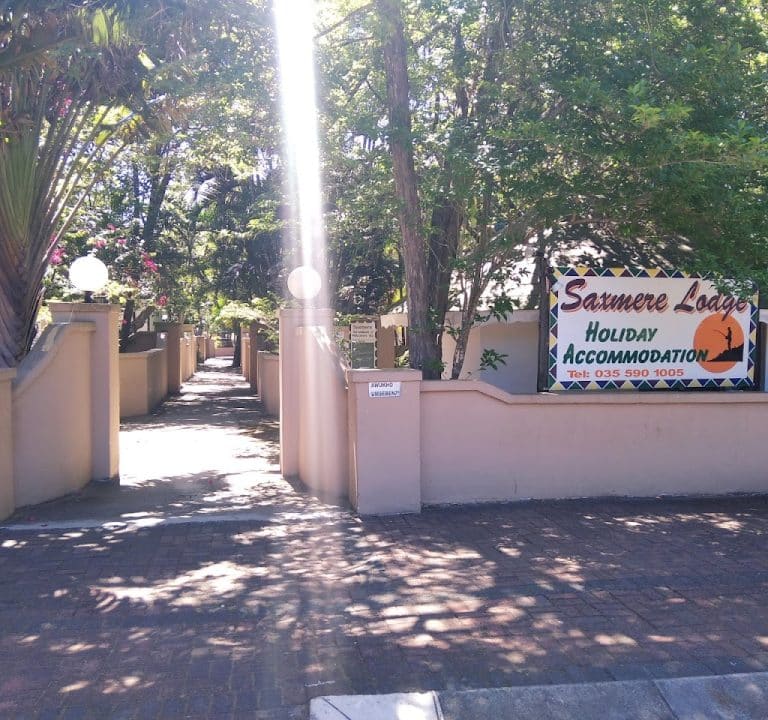
For accommodation examples and a taste of what to expect in St Lucia, you can explore self-catering options that showcase comfortable, home-from-home layouts in peaceful settings. A notable example is a self-catering property that presents itself as a welcoming base for exploring the area, with a focus on flexible stays and practical amenities. More information can be found at the property’s official site: https://st-lucia-wilds.business.site/?utm_source=gmb&utm_medium=referral
When it comes to attractions, St Lucia offers gentle, nature-forward experiences rather than high-adrenaline thrills. Expect guided estuary cruises, birdwatching, forest walks, and easy access to iSimangaliso’s diverse habitats. Dining across the village tends to reflect local flavours and seafood influences, with laid-back venues that are family-friendly and easy to reach from most lodging options. If you’re planning a longer stay, it’s worth building a loose itinerary that balances wildlife-watching with time to unwind on a veranda or by a pool, so you can really soak up the tranquillity of this coastal KwaZulu-Natal gem.