Exploring St Lucia, KwaZulu-Natal: where to stay and what to do
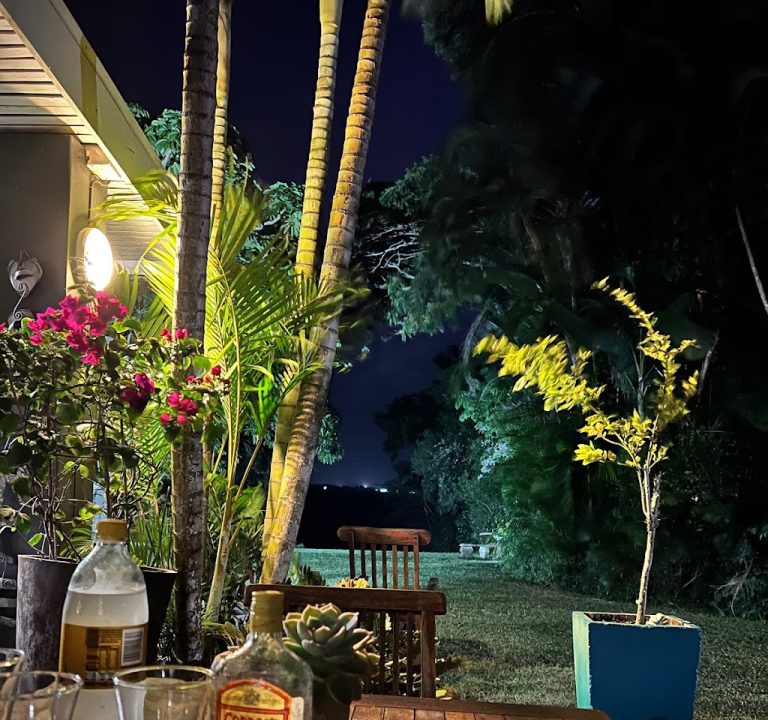
St Lucia in KwaZulu-Natal offers a unique blend of wildlife, wetlands and warm Indian Ocean breezes. The village is a restful base for exploring the iSimangaliso Wetland Park, a UNESCO World Heritage site renowned for its diverse ecosystems, birdlife and opportunities to observe hippos and crocodiles from safe, guided vantage points. When planning a stay, consider accommodation that places you within easy reach of both the town’s harbour-front charm and the park’s diverse entrances. Dukuduku B&B is one example of a local bed and breakfast that embodies the welcoming, home-from-home style many visitors seek in the region.
Accommodation options in and around St Lucia range from intimate B&Bs and guesthouses to self‑catering lodges and boutique hotels. If you prioritise wildlife experiences, look for properties that offer guided game drives, boat trips on the estuary, or organised walks with knowledgeable guides. For a quieter break, consider a guesthouse near the edges of town where you can enjoy garden views, a pool and a relaxed breakfast before a day on the sand or on the water. When selecting a place to stay, think about light, noise, and proximity to the estuary and the main road that leads to the park gates and boat launching points.
What to look for when booking:
- Proximity to the iSimangaliso Wetland Park and to the town centre for easy access to supermarkets, cafés and eateries.
- On-site amenities that support a laid-back stay, such as secure parking, comfortable beds, hot showers, a reliable Wi‑Fi connection, and clear information about local tours and timings.
- Accessibility and transport options, including whether the property can arrange guided day trips, transfers from nearby airports, or suggestions for self-drive routes.
- Guest reviews that mention hospitality, cleanliness, and how the hosts respond to guest needs.
Typical amenities you might encounter include a hearty breakfast (often with fruit and freshly baked goods), shaded outdoor spaces, a pool or shaded verandah, and spaces to store or prepare light meals if you’re staying in self‑catering mode. In many B&Bs and guesthouses, hosts can provide tips on birdwatching spots, the best times for river estuary excursions, and where to rent bicycles or join a boat cruise. If you’re visiting with family or a group, look for larger rooms or suites with flexible configurations and easy access for children.
Transport in St Lucia is straightforward but planning helps. The town is walkable in parts, with most amenities centred along the main strip near the estuary. For longer day trips into the park, a hire car offers the greatest flexibility, though guided transfers and organised tours are a convenient alternative. If you plan to visit the estuary’s boat launch sites, check whether your accommodation can arrange a trusted operator or advise on the best times to depart to maximise wildlife sightings without crowds. When budgeting, remember that some activities are weather‑dependent, especially boat safaris and walking trails near the shore, so have flexible plans where possible.
Best time to visit St Lucia tends to be during the drier months when wildlife viewing can be at its most reliable. However, the area’s subtropical climate means it remains pleasant for most of the year. Spring and autumn are commonly comfortable for sightseeing, while the summer season can bring coastal breezes and occasional showers. If you’re drawn to birdlife and estuary activities, consider aligning your stay with guided tours or early-morning excursions, which often yield the best encounters with wildlife and provide the tranquillity that many visitors seek in a coastal break.
Attractions and experiences in and around St Lucia are broad and varied. In addition to wildlife encounters within the wetlands, you can expect opportunities to observe birds at quiet waterways, stroll along scenic beaches, and enjoy riverfront dining in terms of relaxed, casual eateries that focus on fresh seafood and local flavours. When planning meals, many visitors opt for a combination of breakfasts at their accommodation and later lunches or dinners at restaurants that showcase seasonal produce and coastal ingredients. It is common for local venues to offer menus that emphasise simplicity, flavour and a relaxed, family-friendly atmosphere, rather than formal dining experiences.
Practical tips for a smooth stay include packing light layers for changeable coastal weather, sunscreen and a hat for sun protection, and a reliable camera or binoculars for wildlife watching. Bring a waterproof bag for lighter rain or spray from the estuary and a small daypack for excursions. If you are visiting during peak holiday periods, consider booking accommodation and any guided trips well in advance to secure your preferred dates and room types. Always have a clear plan for transfers to and from the park’s entrances and the town’s departure points, and keep a flexible outlook in case local weather or wildlife activity alters plans.
Whether you choose a charming bed and breakfast such as Dukuduku B&B or another welcoming option, St Lucia offers a relaxed base with access to remarkable natural beauty, friendly local hospitality and a range of experiences that showcase KwaZulu‑Natal’s coastal environment. With thoughtful planning around where you stay, how you move around, and what you wish to experience, your visit to this coastal and wildlife-rich corner of South Africa can be both memorable and refreshingly uncomplicated.