Stellenbosch: A Guide to Accommodation, Attractions and Local Experiences
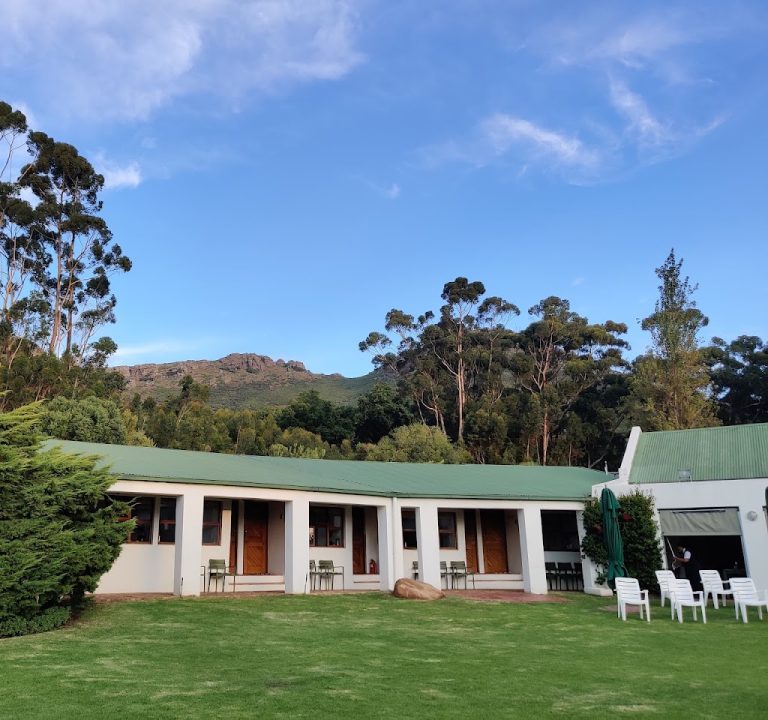
Stellenbosch, in the Western Cape of South Africa, blends historic charm with modern comforts, set against the backdrop of pine-clad hills and vineyards. When planning a stay, you’ll find a range of accommodation options that suit couples, families and travellers seeking a relaxed wine country escape. From boutique guesthouses to country-house hotels and self-catering lodges, the area rewards those who choose a location that matches their pace—whether you want city-centre convenience, rural tranquillity, or easy access to the winelands and the surrounding nature reserves.
Areas to consider when booking
- Stellenbosch town centre: The heart of the university town, with colonial buildings, eateries, galleries and a lively, walkable core. Staying here keeps you close to cafés, markets and a gentle buzz in the evenings.
- Devon Valley and the lower valley: A short drive from the town centre, these countryside pockets offer vineyard views, quiet lanes and elegant guesthouses.
- Jonkershoek and the Helderberg basin: For those who prioritise outdoor activities, lodges and hotels near nature reserves provide easy access to hiking, trails and wine farms.
- Beyerskloof and the northern winelands: A good base for exploring several estates in a scenic, less-touristy corridor.
What to look for when booking
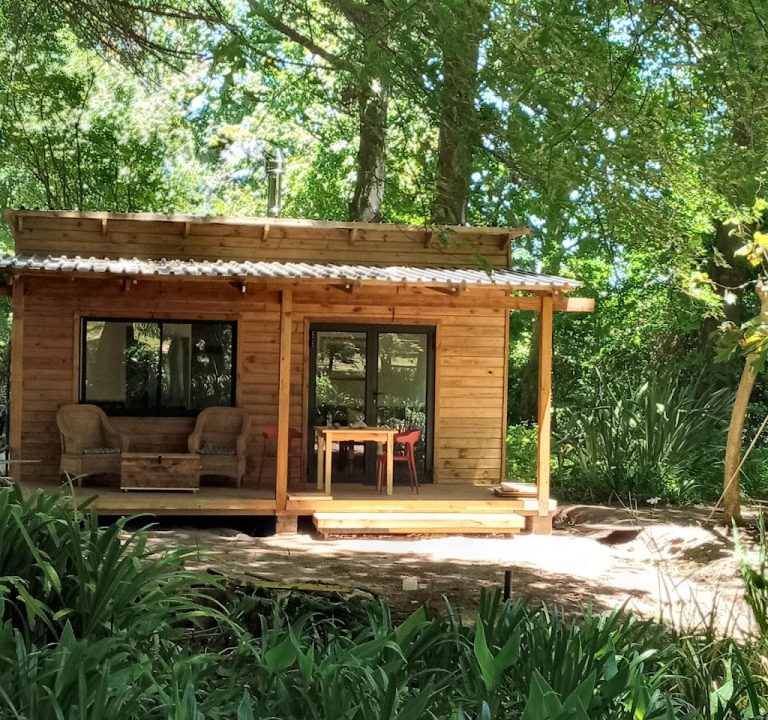
- Amenities and room configuration: Check whether the property offers en-suite bathrooms, air conditioning or heating, reliable Wi-Fi, private balconies or terraces, and parking arrangements if you’ll hire a car.
- Food and dining: Many establishments include breakfast, with options for dinner either on-site or nearby. If you enjoy local flavours, look for properties with the option to book tastings or food pairings at nearby venues.
- Access and transport: Consider proximity to Stellenbosch Town Hall, main roads, and easy routes to the winelands. If you’re self-driving, a property with private parking is convenient; otherwise confirm if there’s easy access to taxis or Uber equivalents.
- Size and atmosphere: Boutique guesthouses offer intimate, personalised service, while larger hotels may provide more facilities such as pools, spa treatments, and meeting spaces.
- Flexibility and policies: Review cancellation windows and any minimum-stay requirements, especially during peak harvest season when availability can be tighter.
Typical amenities you might encounter
- Private or shared lounges and relaxing spaces, often with indoor/outdoor seating and garden views.
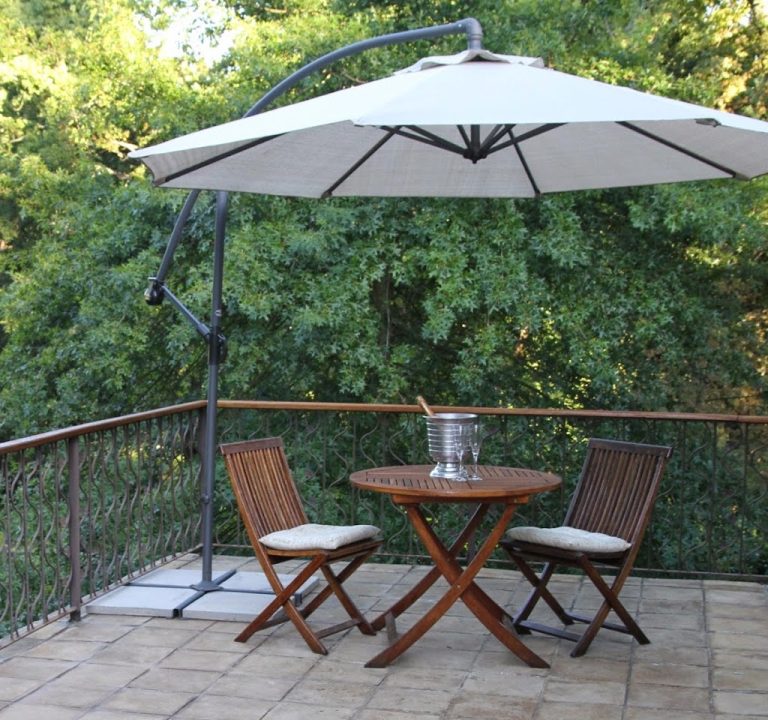
- Swimming pools, sun decks, and outdoor terraces for alfresco meals or late-afternoon wine snacking.
- On-site dining options or curated farm-to-table experiences in nearby estates.
- Spas, wellness services, and fitness facilities, popular with travellers seeking restorative breaks.
- Guided tours or assistance with arranging wine tastings, cellar tours, or scenic drives through the winelands.
Transport and getting around
Destinations outside the town centre are primarily accessed by car, and many visitors prefer to hire a vehicle for the full winelands circuit. If you don’t plan to drive, check whether your accommodation offers airport transfers or shuttle services to central Stellenbosch and popular estates. Bicycles are a charming option for shorter trips within town, but the surrounding countryside can be hilly, so plan your route with fitness and weather in mind. Public transport is limited in the immediate area, so a flexible plan often works best.
Best time to visit
The Western Cape enjoys a temperate climate, with warm summers and cool, wet winters. Peak harvest season (often February to March) can be lively, with many farm shops and events, while spring (September to November) and autumn (March to May) offer quieter, more relaxed visits with pleasant weather and vineyard colours. If you’re drawn to wildflowers, plan for late winter to spring. For the chilliest mornings, bring layers for cool evenings and early starts at outdoor attractions.
Practical tips for a smooth stay
- Book ahead for popular periods, particularly around harvest time and long weekends.
- Bring a light jacket for evenings, as temperatures can drop after sunset even in warmer days.
- Don’t miss a winery lunch or a cellar tour, but balance tastings with meals to avoid fatigue—many estates offer paired lunches or light bites as an alternative to full tastings.
- Respect vineyard etiquette and local guidelines; many farms welcome visitors but operate on private land with restricted hours.
- Consider a dedicated day for the Stellenbosch winelands circuit, and another for exploring nature trails or the town’s historic architecture and markets.
As a reference option for lodging with a crafted experience, consider Mont Angelis, a hotel that embodies the region’s tranquillity and stylish comfort. Visitors can explore nearby winelands, scenic drives and the town’s cultural venues, while enjoying well-appointed rooms and attentive service. More information is available at Mont Angelis.
Stellenbosch offers a refined base from which to discover South Africa’s wine country, with a balanced mix of heritage architecture, culinary exploration, and natural scenery. By choosing a suitable neighbourhood, planning ahead for activities, and ensuring convenient transport arrangements, you can design a stay that blends relaxation, culinary delight and memorable excursions into the winelands and beyond.