Stellenbosch: accommodation, attractions and planning your stay in the Western Cape
Stellenbosch is a celebrated hub of fibre‑thin streets, historic Cape Dutch architecture and world‑class wine estates, set amid the rolling winseland hills of South Africa’s Western Cape. When planning a stay, travellers often weigh the charms of a central town stay against the quiet of a countryside farmstay. Either choice can work well, provided you balance accessibility, amenities and pace with the style of experience you want from your visit.
Accommodation: choosing where to stay and what to look for
- In-town options: A stay within the town centre gives you easy access to cafés, galleries and the university precinct. These properties tend to be walkable to the main square and offer a lively atmosphere, with options ranging from boutique guesthouses to modern apartments. Look for features such as secure parking, strong wifi for planning days out, and breakfast options if you want to reduce meal decisions in the morning.
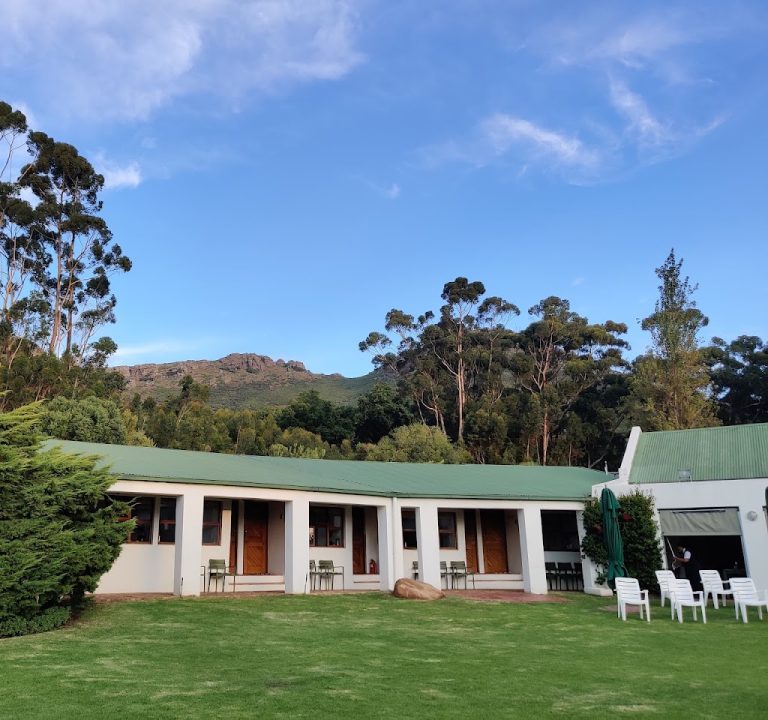
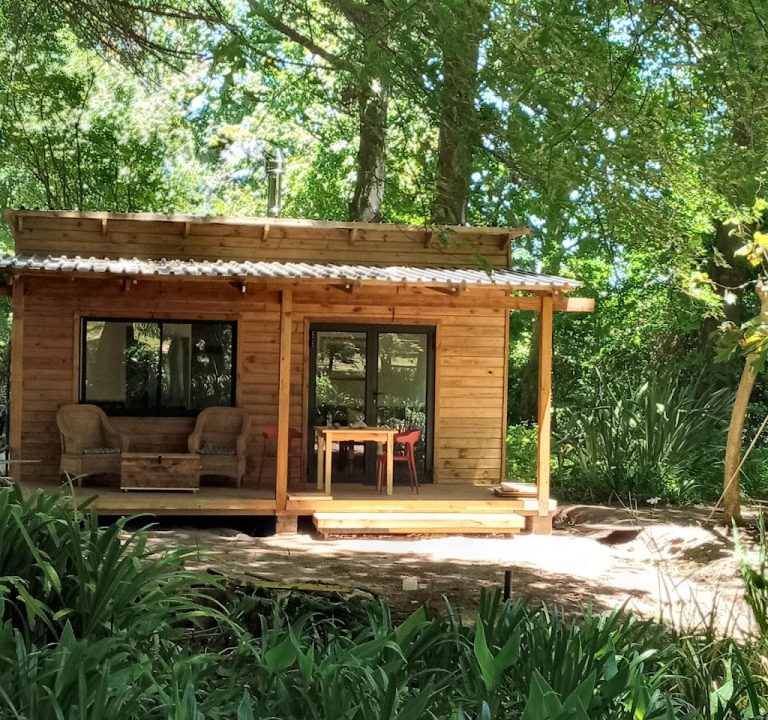
- Farm and countryside stays: For a slower rhythm and scenic surroundings, consider a farmstay or guesthouse in surrounding valleys. These places often include larger grounds, vineyard views, and opportunities to walk or ride nearby trails. Typical amenities may include outdoor seating, a pool, and on-site dining or farm‑to‑table experiences. If you’re visiting a working farm, check what is included in meals and whether guided activities or tastings are offered.
- Areas to consider: The historic town centre offers proximity to wine shops, eateries and art galleries, while valley districts closer to the vineyards provide calmer scenery and easier access to hiking and cycling routes. If you prioritise wine tastings and food, staying near the die Stellenbosch wine routes will shorten travel times between estates.
What to look for when booking
- Size and layout: Consider the number of guests, whether you’ll need a kitchen or self‑catering options, and if the space meets your privacy needs.
- Transport access: A parking space or easy Uber/Taxi access can be important if you plan to explore multiple wine farms or dine out each evening.
- Safety and security: Check secure access, safe neighbourhoods and well‑lit public areas, especially if you’ll be returning after dark.
- Amenities: A reliable hot water supply, comfortable bedding, and climate control (air conditioning or heating) help ensure a restful stay. For longer breaks, a well‑equipped kitchen and washing facilities can be very convenient.
- Sustainability and local character: Some guests favour properties that showcase local materials, seasonal produce or support community projects. Farm stays often emphasise this connection.
Typical amenities and practical tips
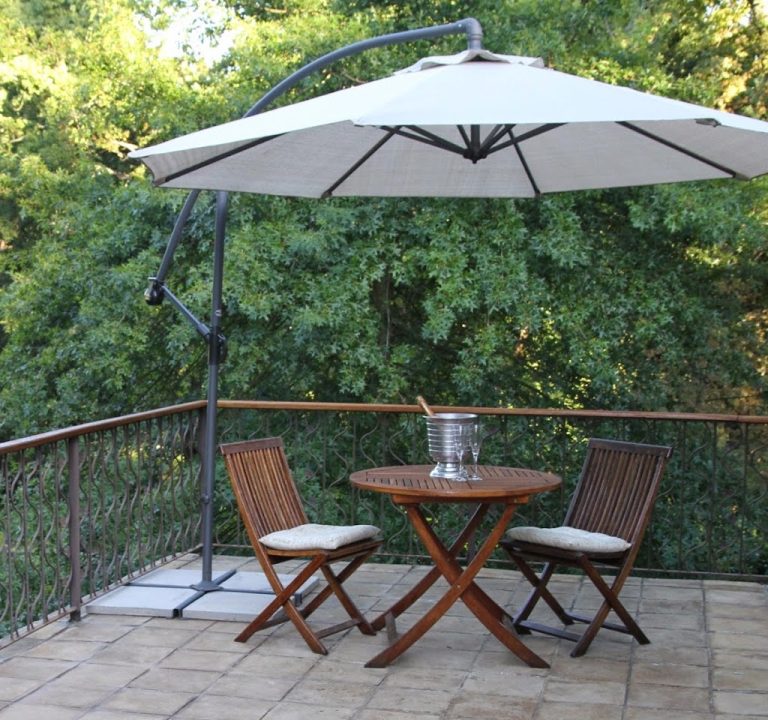
- Common amenities: Free Wi‑Fi, breakfast options, and on‑site parking are among the most valued for short breaks. Outdoor spaces, such as courtyards or verandas, are a welcome bonus for sunny Stellenbosch mornings.
- Transport: A car is highly convenient for exploring the surrounding wine estates and rural routes, though guided tours and day trips are popular alternatives. If you don’t drive, ensure the property is close to reliable transfer options or within reach of convenient taxi services.
- Payment and booking: Read cancellation policies and any seasonal surcharges. Booking early is wise for peak harvest times in late summer, and for weekends when demand tends to rise.
- Practicalities: Bring comfortable walking shoes for town strolls and hill climbs, a sunhat and sunscreen for outdoor wine tastings, and a light jacket for breezier evenings in the valley.
Best time to visit and how weather shapes your plans
- Spring and autumn deliver mild temperatures and fewer crowds, ideal for walking tours, vineyard visits and cycling trips.
- Summer is warm and dry, perfect for outdoor dining and long estate visits, but it can be busy around harvest season. If you prefer quieter periods, plan for late spring or early autumn.
- Winter offers cooler days with a crisp atmosphere; many estates still welcome visitors for tastings and cellar tours, but plan for shorter daylight hours and check opening times in advance.
Attractions and experiences in general terms
- The area is renowned for its landscape of vineyards, where visitors may join wine tastings, estate tours and seasonal food experiences. Expect vistas across rolling hills, historic town streets and contemporary South African cuisine.
- Cultural highlights include historic architecture, university heritage, and local galleries. Gourmet restaurants and casual bistros sit alongside traditional taverns in and around Stellenbosch, offering a range of dining atmospheres from refined tasting menus to relaxed farm‑table meals.
- Outdoors and family activities often revolve around walking, hiking and cycling routes linked to the valley floors and mountain trails.
A sample stay: Farm Keerweer
- Farm Keerweer can illustrate the appeal of a countryside stay with tranquil surroundings, rustic charm and opportunities to unwind in rural spaces. If you are seeking a more immersive farm experience, such options can be a fitting counterpoint to a day spent in town or visiting nearby wine farms. When researching, verify what meals or activities are included and how far the property sits from central Stellenbosch.
Practical planning tips
- Plan your days by grouping similar activities to minimise transport time between towns and estates.
- Check local event calendars for harvests, markets and cultural happenings to align with your interests.
- Keep safety in mind when exploring rural roads and mountain routes; let someone know your plans for day trips and carry a simple map or offline navigation.
- For a balanced trip, mix a night or two in the historic town with a couple of nights on a winery or farm setting to experience both the culture and the countryside.
For more about Stellenbosch and the Western Cape, you can explore wider regional resources and tourism information to help tailor your itinerary to your interests and pace.