Stellenbosch: Where to Stay and What to Do
Stellenbosch, in the heart of the Western Cape, blends historic charm with world‑class winelands, modern dining, and easy access to outdoor beauty. When planning a stay, consider both the atmosphere you seek and the pace you favour—whether you prefer a quiet village feel, a stylish boutique experience, or a larger guesthouse with a social scene. The town centre offers architectural grandeur, shaded courtyards, and convenient strolls to cafés, museums, galleries and wine estates. Outside the centre, you’ll find leafy suburbs and countryside lodging that put you closer to vineyards, fynbos trails and sweeping mountain views.
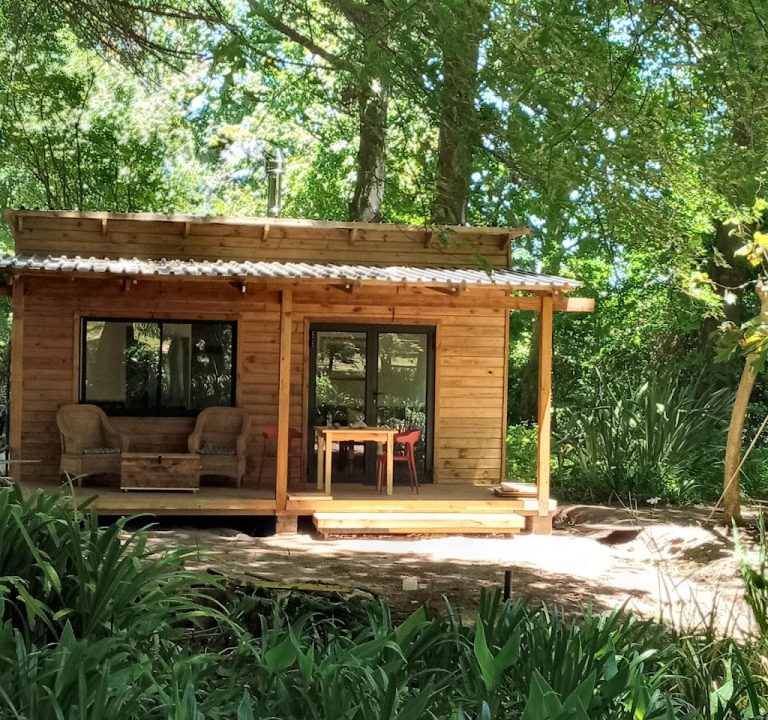
One option for a comfortable, characterful stay is a guesthouse or boutique lodge set on a smallholding or near the wine routes. A stay at such properties often balances friendly hospitality with a personalised touch, offering guests a chance to learn about local terroir and winemaking in a relaxed setting. If you are considering a specific property, such as a guesthouse with a garden, pool, andguest lounge, check whether breakfast is included, whether there are self‑catering facilities, and what the typical check‑in procedures are. For stays that prioritise a sense of place, look for hosts who can share recommendations for nearby trails, viewpoints, and wine estates without sacrificing your privacy.
When you book, think about the areas to base yourself. The central historic precinct is ideal for walkability, with easy access to university museums and the town’s northern routes toward the Winelands. The western outskirts often offer larger plots, tranquil surroundings and panoramic vistas, with easier access to the Helderberg Nature Reserve and scenic drives through rolling vineyards. The eastern side can provide a quicker route to major arterial roads and outlying attractions. If you want to combine city sights with rural scenery, a split stay—two or three nights in town and a couple of nights on a farm or boutique guesthouse—can be a rewarding approach.
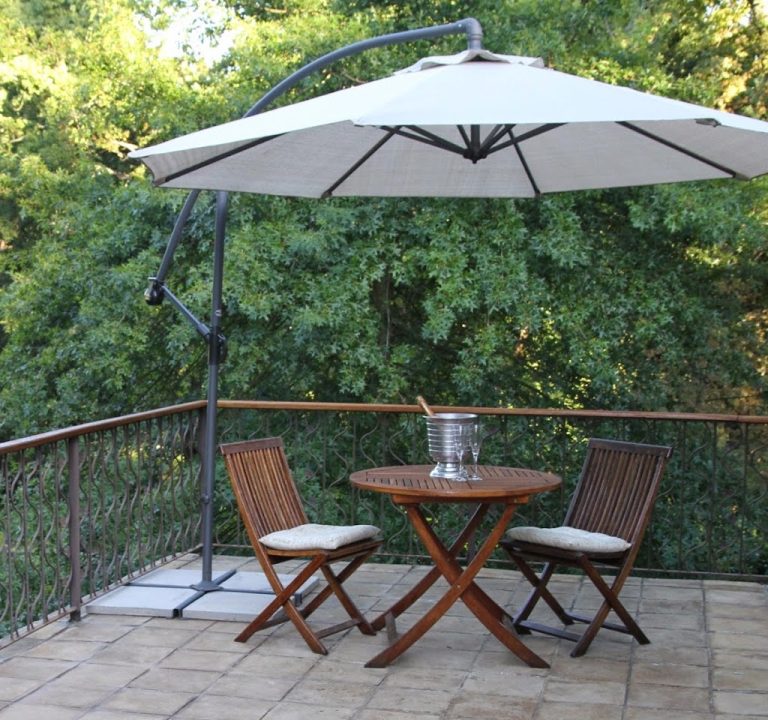
Typical amenities to look for include en‑suite bathrooms, reliable Wi‑Fi, good heating or air conditioning, secure parking, and clear information from hosts about local transport options. Many Stellenbosch properties offer generous breakfasts featuring local produce, and some include dinner or access to shared kitchens. A guesthouse with a swimming pool, shaded outdoor seating, and a reading area can be ideal for relaxing after a day of touring. Accessibility is another consideration: ask about ground‑floor rooms, level access, and elevator availability if needed. If you rely on public transport or rideshares, confirm proximity to taxi stands or bus routes and whether the property provides transport or guest parking arrangements.
Transport in Stellenbosch is straightforward but planning helps. The town is walkable in its core, yet to explore the surrounding wine routes, a car is often the most convenient option. If you prefer not to drive, some guesthouses can arrange private tours or recommend reputable guided tastings. It’s worth asking about proximity to Stellenbosch’s main streets and whether shuttle services operate to nearby estates. For guests with luggage or mobility considerations, choose a property offering easy access and clear pathways from parking to rooms.
The best time to visit Stellenbosch depends on what you want from the experience. Spring (September to November) brings flowering vines and pleasant daytime temperatures, while autumn (March to May) offers gentler light and harvest season energy. Summer (December to February) is warm and lively, with longer days and outdoor dining—perfect for terrace meals, picnics, and wine tastings. Winter (June to August) is cooler and greener, a good time for cosy nights in front of a fire or a late‑season wine tasting itinerary. Consider local events calendars, as many guesthouses offer themed weekends or guided walks that align with seasonal produce and wine releases.
Nearby attractions and experiences, in broad terms, span historic architecture, museum collections, and the natural beauty of nearby reserves. Visitors can expect gentle, scenic routes through vineyards, with opportunities for tastings at family‑run cellars, educational tours about wine production, and informal dining that showcases South African flavours. For a well‑rounded visit, combine a couple of wine‑country days with time in the town’s pedestrian precinct, museums, art galleries, and markets, where local artisans and producers showcase craftsmanship and hospitality.
Planning a stay at a property like Languedoc Farm can offer a cosy base with a sense of place. When researching, gather practical details: distance to key sights, transport options, breakfast and dining arrangements, safety considerations, and cancellation policies. Always verify the latest guest reviews and property responses to gauge consistency and guest satisfaction before booking. A well‑planned stay in Stellenbosch allows you to enjoy the serenity of the wine country while staying close enough to explore the town’s culture, cuisine, and landscape with ease.
- Check room layouts and privacy levels if you value a quiet stay
- Ask about breakfast options, dietary accommodations, and kitchen access
- Confirm parking arrangements and ease of access from main routes
- Inquire about guided tours or shuttle options to nearby estates
- Plan a mix of town centre exploration and countryside days for balance