Cape Town: Where to Stay and How to Make the Most of Your Visit
Cape Town offers a diverse mix of stays that suit every traveller, from stylish boutique guest houses to self-catering apartments that provide a home-from-home feel. When choosing a base, consider the area’s rhythm and how you plan to explore. The city has buzzing urban pockets, coastal neighbourhoods with sweeping sea views, and wine-country valleys nearby. A well-chosen base can cut travel time, maximise your days, and help you experience the best of both city life and natural beauty.
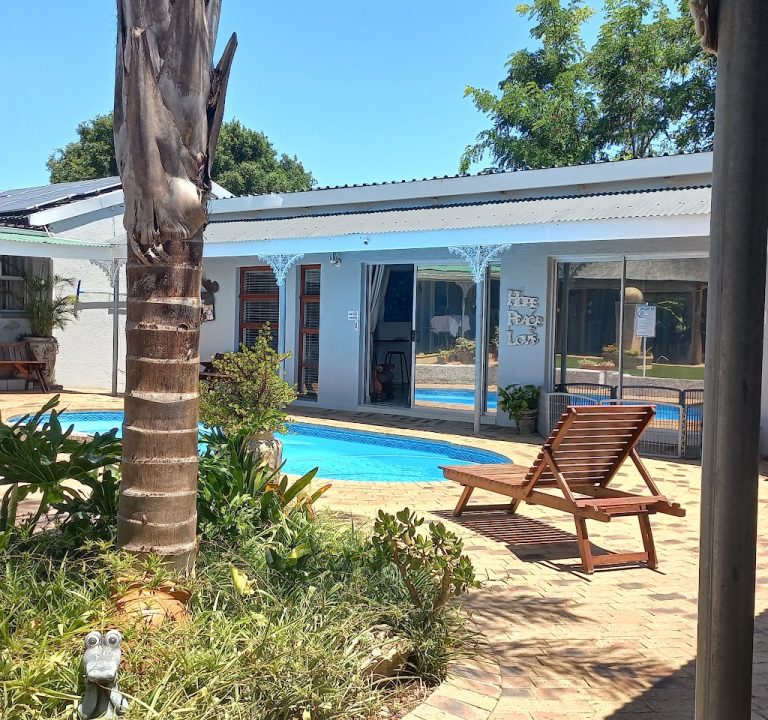
Mi Amor self catering apartment is one example of a guest house-style option that blends convenience with a homely ambience. Such properties often provide self-catering facilities, private entrances or studios, and easy access to streets lined with restaurants, markets and scenic viewpoints. In a city where top attractions sit both inland and along the coast, staying in a well-connected area can save time and allow for flexibility, whether you’re up for a long hike, a beach walk, or a day in the winelands just outside the city bowl.
Think about areas when planning where to stay. The City Bowl and central districts put you within walking distance of museums, theatres, and a lively dining scene, with fast access to public transport. The Atlantic Seaboard—Camps Bay, Clifton, and Sea Point—offers dramatic coastline, chic eateries, and sunset views, ideal for longer beach days and relaxed evenings. Constantia is perfect for tranquillity and easy access to wine estates and mountain trails, while the southern peninsula provides dramatic scenery, with the delights of Boulders Beach and Cape Point within reach. If you’re travelling with family or seeking a slower pace, the southern suburbs and Long Street’s historic streets offer characterful guest houses with easy driving access to the city’s natural attractions.
When booking, look for a few practical amenities that can shape your stay. A comfortable bed and good ventilation are essential, as is reliable Wi-Fi if you plan to work or stream in the evenings. On-site parking or easy access to public transport is a major time-saver in a city where traffic and parking can be challenging at peak times. A well-equipped kitchenette or the option for breakfast can simplify mornings, while a generous lounge area or balcony with sea or mountain views adds a memorable touch. Guest houses and self-catering flats often provide hosts who can share local tips, route recommendations, and restaurant reservations, which is particularly helpful for first-time visitors.
Transport in Cape Town is varied and generally user-friendly. The MyCiTi bus network connects major routes across the city and to the airport, while MyCiTi and other taxi services make short hops easy. If you prefer flexibility, hiring a car is common and convenient for day trips to the Cape Winelands, Houwhoek, or the Cape Peninsula’s viewpoints. Always consider your comfort with driving in busy urban areas, and plan for parking rules in different neighbourhoods. For shorter journeys, rideshares are a practical option, especially in flatter areas and around the Waterfront and central districts.
The best time to visit Cape Town depends on your priorities. Spring (September to November) and autumn (March to May) offer mild weather, longer daylight hours, and pleasant conditions for hiking up Table Mountain or strolling along the coastline. Summer brings warm beaches and busy markets, but coastal winds and higher tourist density can be factors. Winter (June to August) is cooler and wetter, yet it can be a good time to enjoy fewer crowds and the city’s indoor attractions, museums, and markets. Whatever the season, plan for both outdoor activities and indoor experiences to balance your days.
When planning activities, you’ll find Cape Town’s attractions and experiences cater to varied interests. Iconic natural highlights include the flat-topped Table Mountain, the dramatic Atlantic coastline, and nature reserves that reward hikers and photographers. The city also offers historic and cultural layers in districts such as Bo-Kaap, with its vibrant colours and stories, and the historic streets of the city centre. For a broader taste of the region, day trips to the Cape Winelands, where vine-covered valleys await, or the scenic Cape Point route, provide a mix of landscapes, wildlife encounters, and leisurely lunches with sea horizons as your backdrop. Boat trips, harbour tours, and penguin viewpoints are commonly enjoyed by visitors seeking light adventure and scenery without overplanning.
Fortified by a lively dining scene, Cape Town’s restaurants run from casual seaside eateries to refined farm-to-table experiences. Expect seafood specials, varied international menus, and dishes that showcase South Africa’s diverse culinary influences. Markets and food halls are worth exploring for fresh produce, snacks, and local crafts, while coffee shops and casual bistros offer dependable daytime fuel for longer excursions. For families or groups, many guest houses and self-catering options are well-placed for easy access to both the city’s gastronomic highlights and its natural playgrounds.
Practical tips to help you plan your stay:
- Choose accommodation with easy access to the sights you want to prioritise, whether that means a beachfront location or a central hub with frequent transport links.
- Check for secure parking if you’re driving, and confirm access to reliable Wi-Fi and heating or cooling depending on the season.
- Pack for changeable weather: coastal winds can be strong, even on sunny days, and mornings can be chilly near the mountains.
- Book popular tours or restaurant reservations in advance during peak seasons to avoid disappointment.
- Combine outdoor adventures with cultural or museum-based activities to balance your itinerary and avoid fatigue.
Whether you’re seeking a stylish stay with a coastal vibe, a quiet retreat among historic streets, or a self-catering flat that puts you in control of mealtimes, Cape Town offers a wealth of options. Pair your chosen accommodation with a flexible plan that includes a mix of scenery, cuisine, and culture, and you’ll experience the peninsula in a well-rounded and memorable way.