Cape Town: Accommodation Planning, Areas, and Must-See Experiences
Cape Town combines dramatic scenery with a rich mix of neighbourhoods, making it essential to choose an area that aligns with your interests and travel style. Whether you want a bustling city base, a stylish coastal vibe, or a quieter residential feel with easy access to landmarks, there are guest houses, boutique hotels and lodges to suit. A good starting point is to consider each area’s character, proximity to what you plan to explore, and transport links.
Central Cape Town and the V&A Waterfront offer convenient access to museums, theatres and major sights, with a range of guest houses and small hotels that maintain a distinctly British-friendly, walkable ambience. The Atlantic Seaboard features elegant coastal towns such as Camps Bay and Clifton, where a stay tends to be more upmarket with sea views and stylish eateries nearby. The Bo-Kaap and the central suburbs provide cultural flavour, historic streets and easy access to markets and cafés. For a more tranquil retreat, consider Constantia Valley or the southern suburbs, where vineyards, large gardens and sprawling properties tend to prevail. If you prefer a short ride to the mountains and forests, the Constantia, Constantia Nek and Close-by Green Point areas offer an excellent mix of tranquillity and convenience.
When booking, look for properties that clearly state whether they are guest houses, B&Bs, or self-contained units, and note how many rooms are available. Pay attention to access to common spaces, self-catering options, and whether breakfast is included. Many guest houses in Cape Town are small, individually run establishments with characterful décor and personal service, which can be ideal for travellers seeking a homely feel. Check recent guest reviews for insights into the warmth of reception, noise levels, and how well the property handles peak-season demand.
Typical amenities in well-located accommodation often include comfortable en-suite bedrooms, reliable Wi‑Fi, good security, on-site or nearby parking, and easy transport connections. Some properties offer complimentary shuttle services to key attractions or local airport transfers, while others provide information and assistance with public transport routes. An increasing number of guest houses and boutique hotels will have a garden or patio, allowing guests to enjoy morning sun or a late sundowner after busy days exploring the city and its surroundings.
Transport in Cape Town is practical for most visitors. The MyCiTi bus network covers many parts of the city, including popular routes to the city centre, V&A Waterfront, Table Mountain, and the southern suburbs. Rideshare apps are widely available and can be a convenient option for evening excursions or when travelling with luggage. If you are staying in a guest house with limited parking, consider locations close to tram or bus stops, or request guidance on safe walking routes to nearby eateries and attractions. For hikers and scenery lovers, plan a day to visit the Table Mountain area, but remember that the weather can change quickly, so bring layers and sun protection.
Best time to visit Cape Town depends on what you want from your trip. The summer months (roughly December to February) tend to be lively with longer days and outdoor dining, but can be busy. Shoulder seasons (spring and autumn) offer milder weather and fewer crowds, which can be ideal for sightseeing and wine-tasting trips in the Winelands. Winter (June to August) is cooler with occasional rain, yet the city often feels peaceful, and rates may be more favourable outside peak holiday periods.
When planning your itinerary, balance must-see landmarks with time for relaxed meals and wandering. Typical highlights include dramatic coastal viewpoints, historic city centre lanes, and nature-adjacent trails. For a well-rounded experience, allocate a day for a coastal drive or sea-side stroll, a morning in the city’s cultural hubs, and an afternoon in the hills or vineyards. Restaurants in Cape Town range from casual bistros to refined dining rooms with emphasis on fresh, local produce. In most areas you’ll find a mix of contemporary cuisine with international influences, alongside markets and casual coffee spots great for a light lunch or a quick bite between sights.
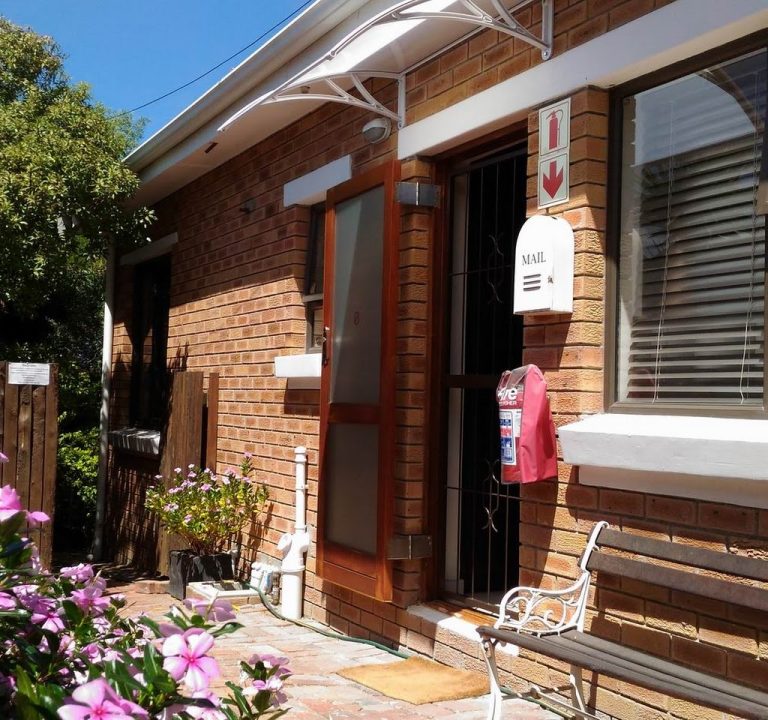
Examples of places to stay catered to different preferences include family-run guest houses with a warm, intimate atmosphere, and small boutique hotels offering stylish rooms and thoughtful touches. A well-positioned guest house can act as a comfortable sanctuary after a day exploring a nearby attraction, while enabling easy access to good public transport routes and walkable streets in the evening. For those seeking a touch of local character, a boutique guest house in a well-connected neighbourhood can provide a convenient base for exploring both popular sights and offbeat corners of the city.
For visitors seeking an example of a well-rounded stay, consider checking a local guest house with a reputation for hospitality and easy access to major routes and attractions. You can explore options such as Northern Vine Guesthouse, which sits within the city’s vibrant mix of dining, shopping, and scenic vistas. More information can be found on their website: Northern Vine Guesthouse.
Practical tips to help you plan your stay:
- Compare guest house reviews focusing on location convenience, quietness, and staff helpfulness.
- Consider a base near MyCiTi stops or major taxi routes to minimise travel time.
- Book early for peak season and scenic areas to secure preferred rooms and views.
- Pack adaptable clothing for changeable coastal weather and sunny days.
- Check cancellation policies and whether breakfast or self-catering is included in your rate.
With careful planning, Cape Town can offer a comfortable, well-connected base that enhances your exploration of its beaches, mountains, markets, and eateries. By choosing the right area to stay, you’ll have a practical home away from home that supports both the iconic sights and the quiet, restorative moments that make a trip memorable.