Accommodation and Experiences in Cape Town, Western Cape
Cape Town is a city of contrasts, where dramatic coastlines meet a buzzing city centre and world-class vineyards are a short drives away. When planning a stay, consider the areas that best match your interests: the Atlantic Seaboard offers scenic coastal walks and stylish beachfront stays; the City Bowl puts you at the heart of dining, culture, and nightlife; Constantia and the nearby winelands provide calm and greenery with easy access to nature trails. For self-catering travellers, neighbourhoods with easy access to shops, local markets, and public transport can simplify daily life without losing the sense of place.
Where you stay can shape your Cape Town experience as much as what you do. If you want breathtaking views, look for accommodation with hillside or ocean-facing panoramas. For convenience and easy transport, a city centre or V&A Waterfront location makes it simple to hop on hop-off tours, use public transport, or stroll to cafés and markets. Families and longer stays often opt for self-catering units or apartments, which can offer more space, a kitchen, and a comfortable base for exploring the Western Cape beyond the city.
When booking, consider the following key factors. Safety and parking are important in many neighbourhoods, so check whether a property has secure parking or a reliable access control system. Look at the kitchen facilities if you plan to self-cater, including the availability of an oven, stove, fridge, and enough crockery. Wi‑Fi reliability matters for remote work or streaming, while washing facilities (a private or communal laundry) can be a practical consideration for longer visits. Some properties offer housekeeping, fresh linen, and extra amenities such as a pool, balcony, or outdoor barbecue area—these can enhance comfort after a day of exploring.
Transport options in Cape Town are varied. The MyCiTi bus network can take you to many popular sights, while Uber and other ride-hailing services provide convenient door-to-door travel. If you plan to escape the city for a winery day trip, coastal villages, or the Cape Point nature reserve, a rental car offers flexibility, though many areas are also accessible by guided tours or organised day trips.
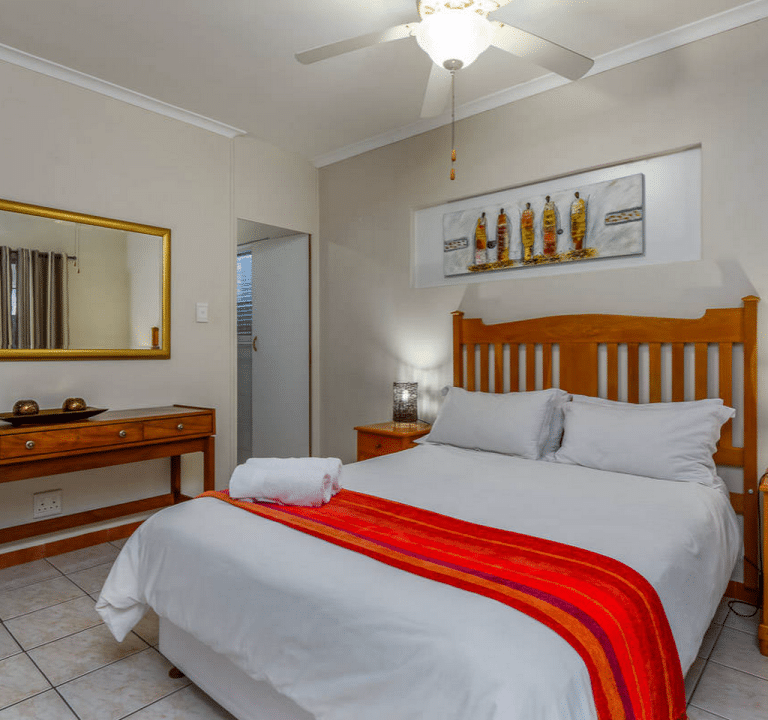
Typical amenities you might encounter include secure parking, 24-hour reception or self-check-in, fully equipped kitchens or kitchenettes, adjustable heating, and comfortable bedding. Properties in higher-demand periods may offer seasonal access to facilities such as a pool or gym, and some self-catering units include outdoor spaces where you can enjoy fresh air after a day out. It’s worth checking cancellation policies and any entry instructions to ensure smooth arrival, particularly if you’re travelling from far afield.
Best time to visit Cape Town depends on your priorities. The summer months (November to February) bring warmer days ideal for beaches and outdoor activities, while spring and autumn (September to November and March to April) offer pleasant temperatures and fewer crowds. Winter (June to August) can be cooler and cloudier, with occasional rain, but it is also a good time to visit the Cape’s lesser-known beaches and to seek out lower rates on accommodation. If you’re keen on sea views and iconic landscapes, plan around the mornings for clear light and easier access to viewpoints like Table Mountain or Chapman’s Peak, with late afternoons often providing colourful sunsets over the Atlantic Ocean.
For a balanced stay, weave in a mix of accommodation experiences and days exploring the city’s attractions and nearby nature. In general terms, you can structure your time as follows: a base in the city or Atlantic Seaboard for convenience and dining, a day to visit the Table Mountain area and boathouse or harbourfront activities, a trip to the winelands or nearby nature reserves for scenery and outdoor pursuits, and a couple of evenings sampling a range of restaurants—from casual markets and seafood spots to fine dining venues with Atlantic views.
Practical tips for planning and staying smart:
- Book in advance for peak seasons and long weekends, particularly for self-catering units with sought-after locations.
- Read guest reviews focusing on accessibility, cleanliness, and the reliability of on-site staff or hosts.
- Verify entry arrangements and any security considerations, especially if you’re arriving late or staying in hillside areas.
- Consider a property with a well-equipped kitchen or nearby supermarkets if you plan frequent self-catering meals.
- Factor travel time to places you want to visit; some attractions cluster around specific areas, so location can save you time and transport costs.
- Explore local dining options beyond hotel restaurants—Cape Town’s neighbourhoods offer vibrant casual eateries, markets, and bistros with diverse cuisines.
- Stay flexible with day trips to the surrounding Western Cape, including coastal villages and the wine route, to maximise your itinerary without over-planning.
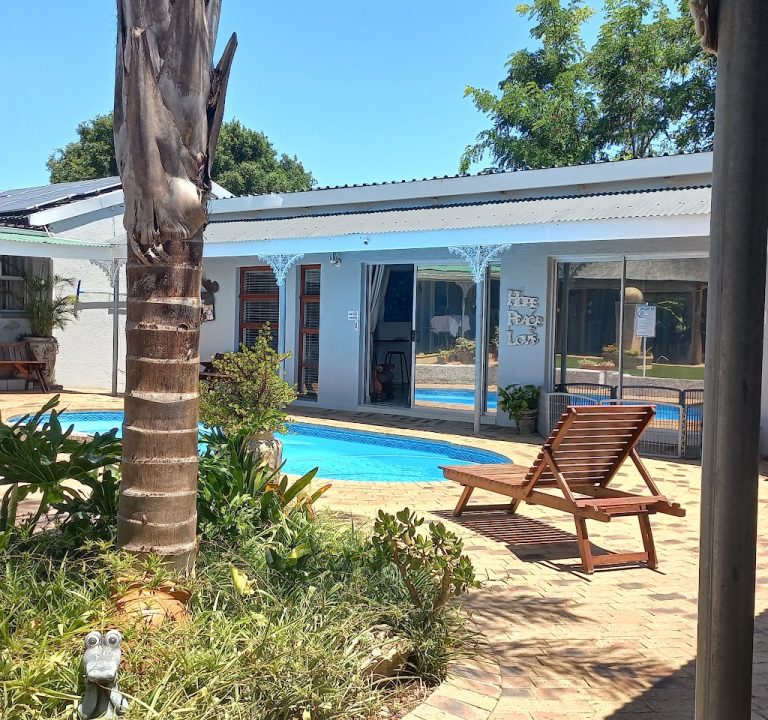
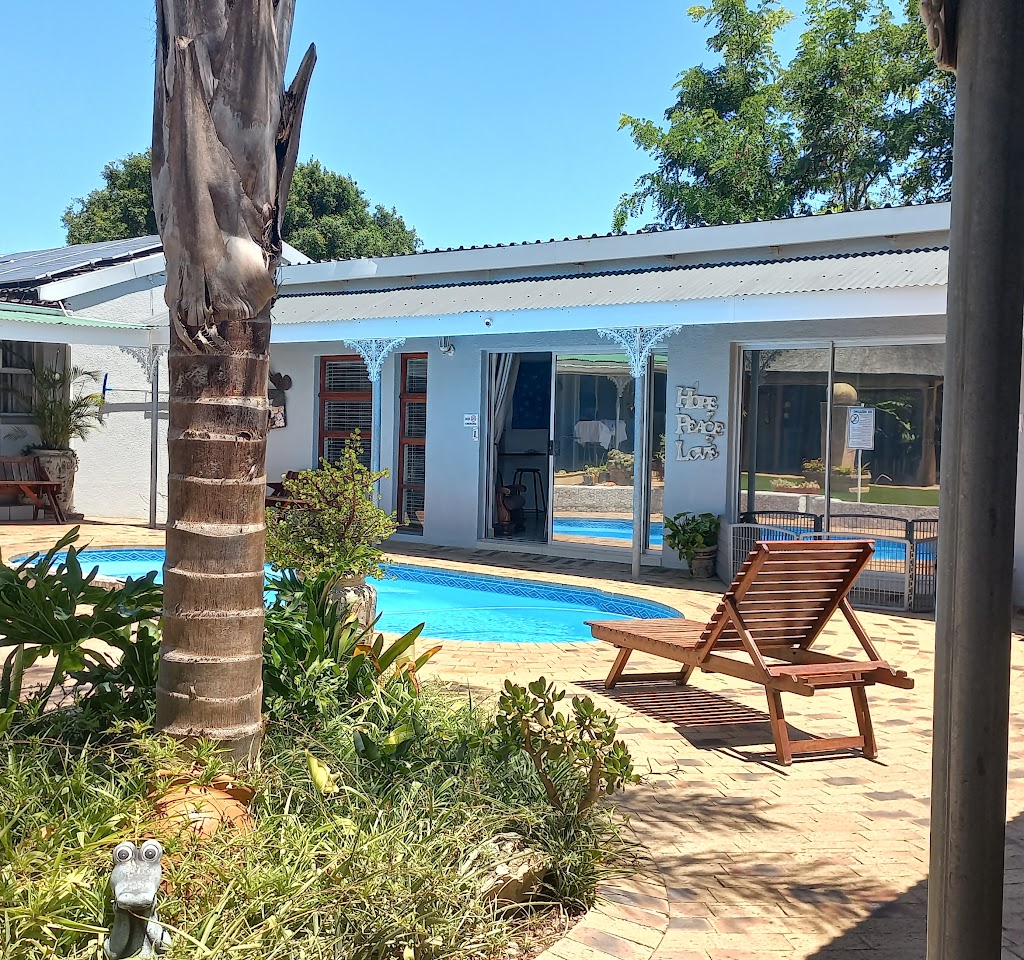
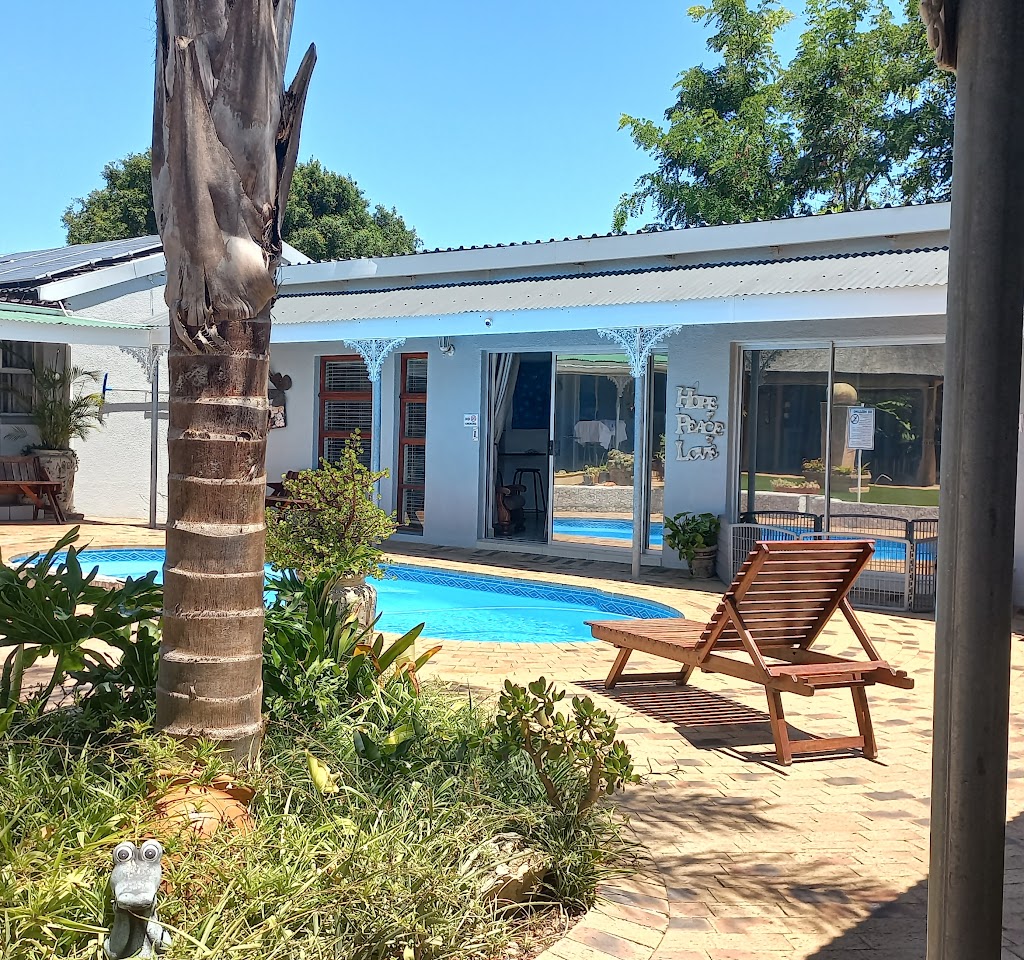
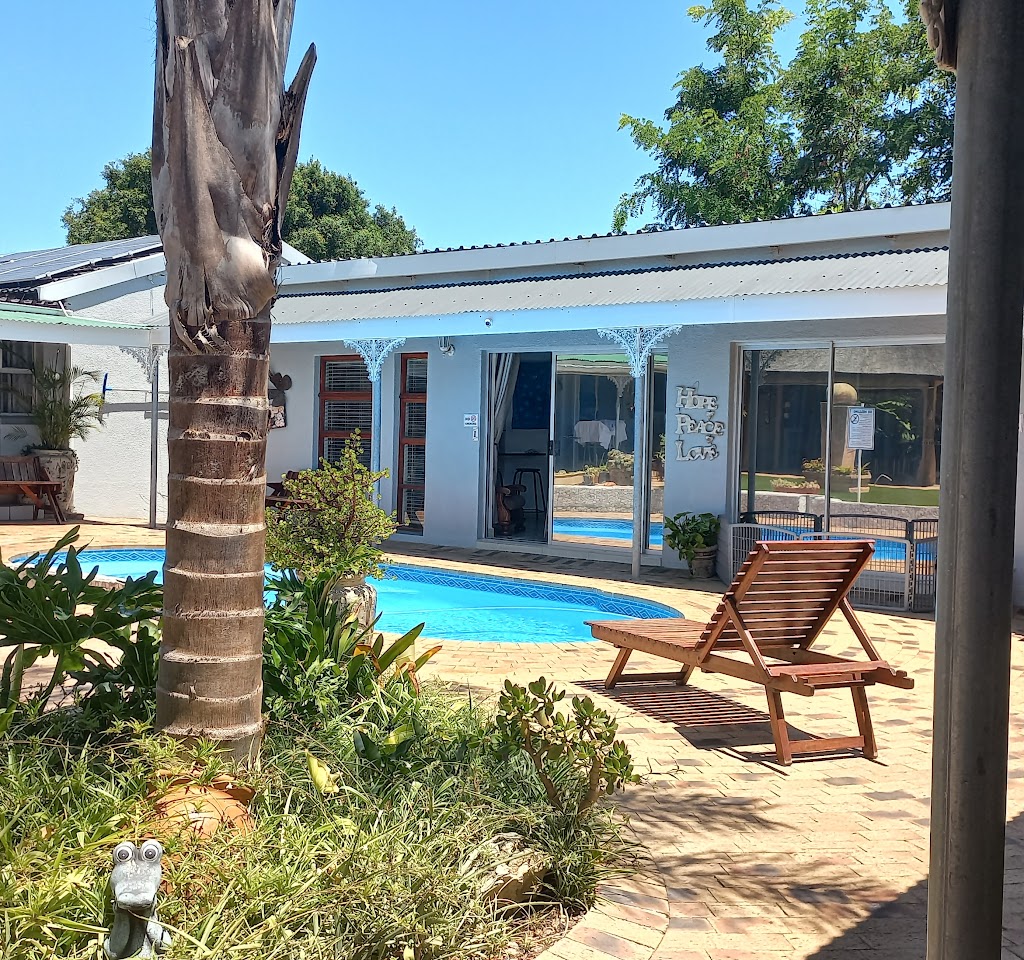
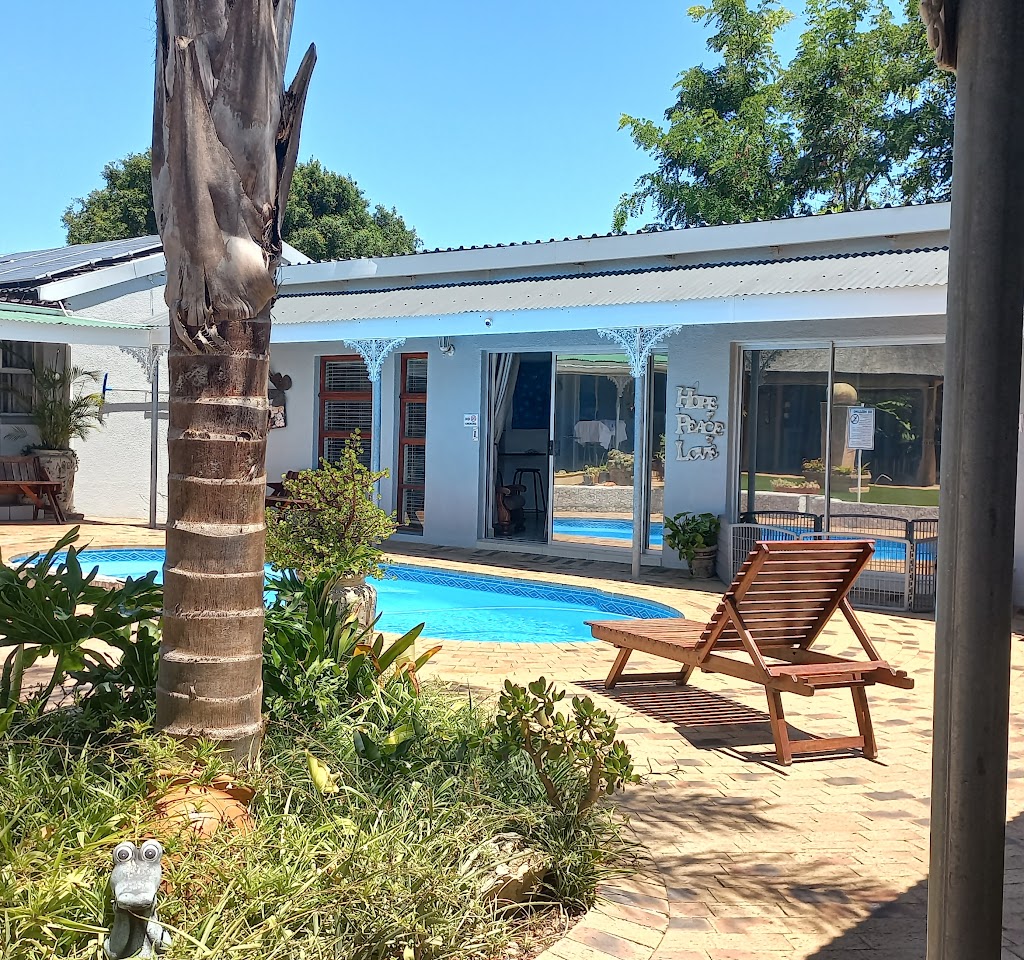
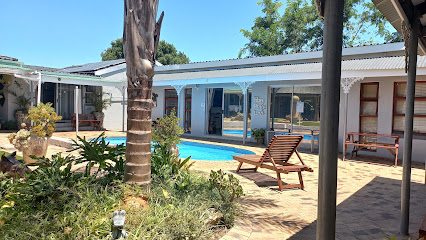
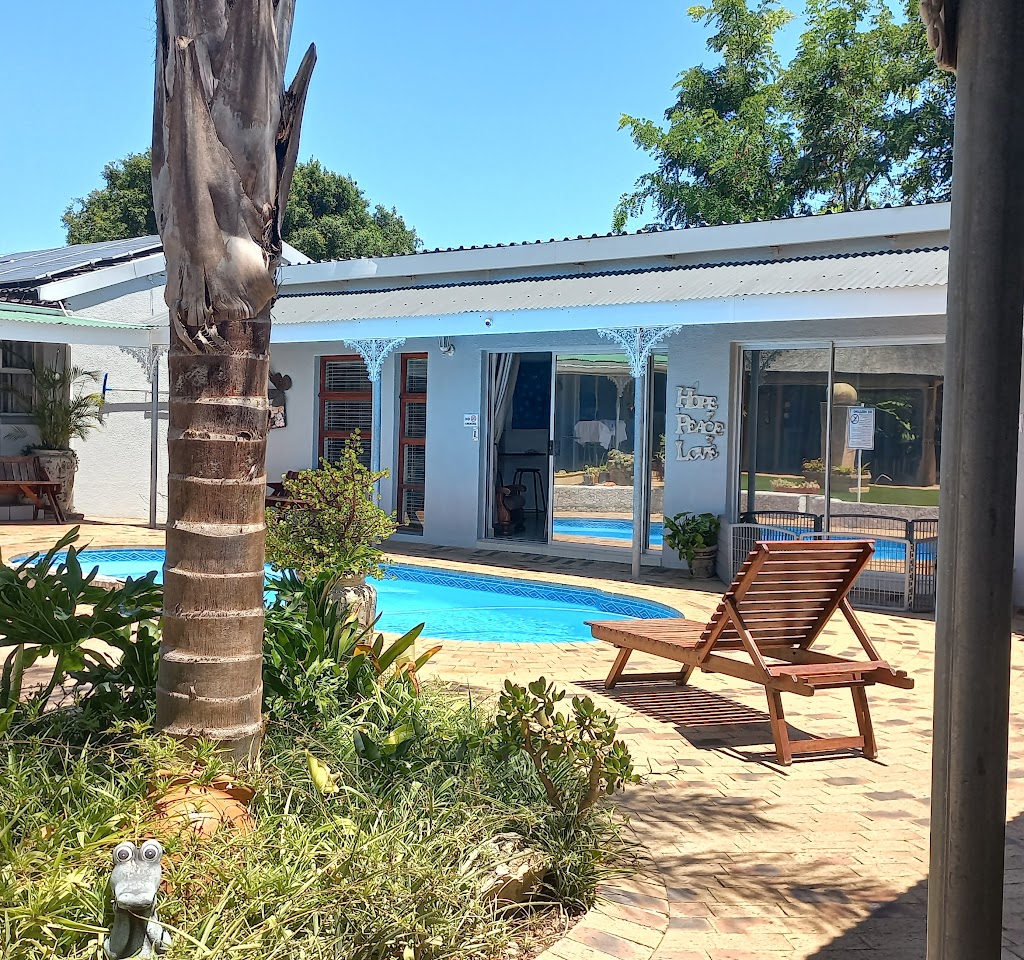
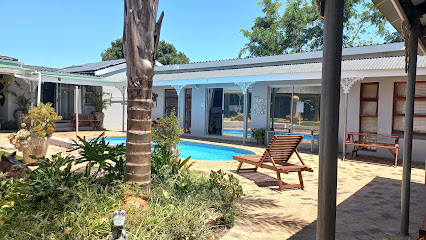
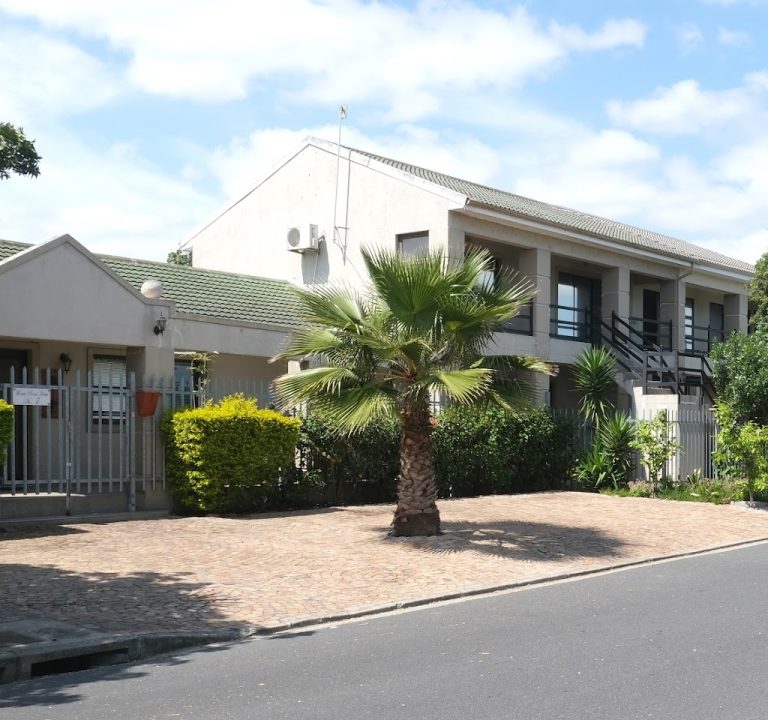
As a practical starting point for accommodation, you might encounter self-catering options such as De Helling Selfsorg Eenhede, which illustrates the appeal of apartment-style stays for independent travellers. These kinds of properties typically offer self-contained units with kitchen facilities that let you experience Cape Town like a local, cooking a few meals at home after days spent exploring the city and its surroundings. For further inspiration and up-to-date ideas on places to stay and things to do in the region, consider visiting Cape Town Tourism's official site, which gathers practical visitor information, transport tips, and suggested itineraries.