Polokwane: Where to stay and what to do in Limpopo’s city gateway
Polokwane, the capital of Limpopo and a vibrant gateway to the province’s wildlife, culture, and scenery, offers a range of accommodation options to suit different styles and budgets. When planning a stay, think about the area that best matches your plans—whether you want easy access to the city’s shopping and dining, proximity to game reserves, or a quieter base near nature reserves and outdoor activities.
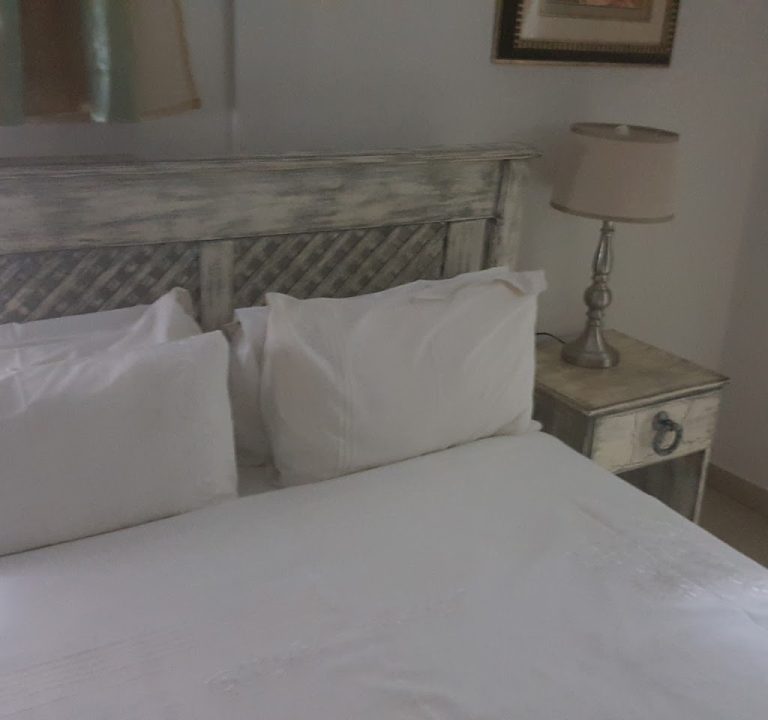
Take time to consider the type of accommodation that will best support your itinerary. In Polokwane you’ll find everything from boutique guesthouses housed in characterful properties, to modern hotels and comfortable lodges. If you value a personalised touch, look for rooms that emphasise thoughtful details, such as locally made decor, well-equipped bedrooms with quality bedding, and shared lounges or outdoor spaces that encourage a relaxed, homely atmosphere. For families or groups, larger suites with separate living areas, self-catering facilities, or access to private courtyards can be particularly convenient. For longer stays, request practical features such as reliable Wi‑Fi, workspaces, and easy access to laundry services.
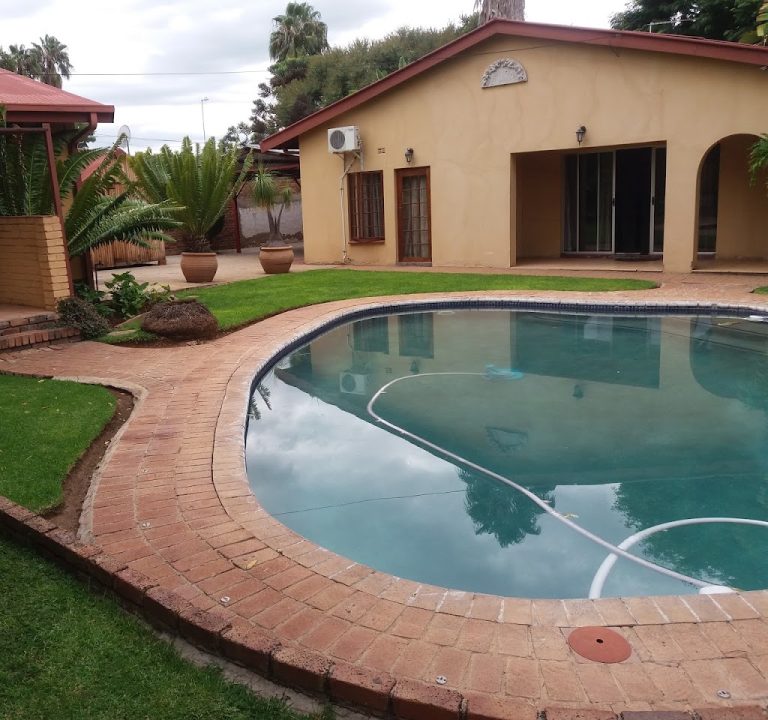
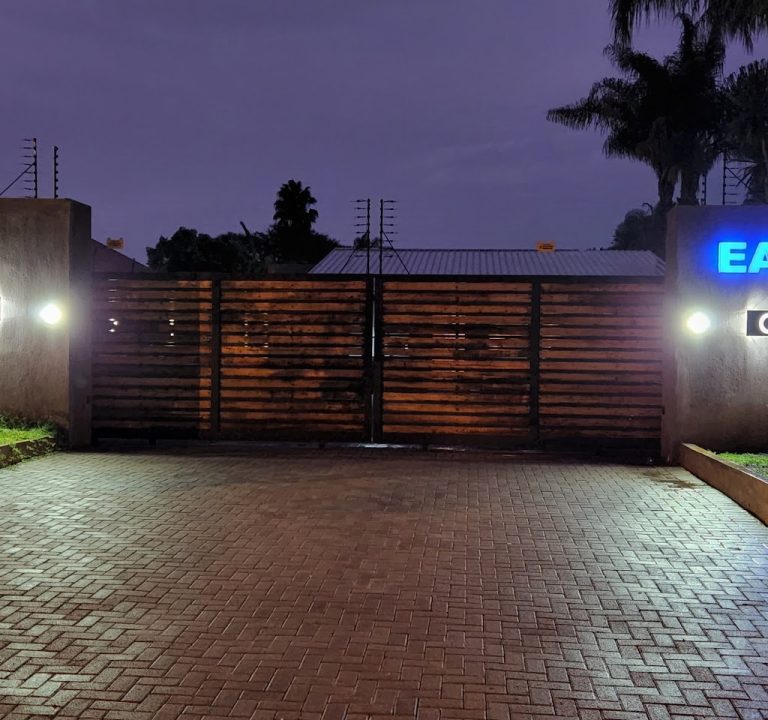
Areas to consider include the central city district, which puts you close to shops, markets, and a variety of eateries. Suburban pockets offer a calmer ambience while remaining within easy reach of Polokwane’s amenities. If you plan day trips to nature or game areas, look for hosts who can advise on quickest routes, transfer options, and friendly local hire services. Some boutique properties, including Mekete Boutique And Events’s, showcase distinctive design and a location that keeps you within reach of central facilities while providing a retreat-like atmosphere.
Typical amenities to look for when booking include secure parking or convenient street parking, air conditioning or effective heating for climate control, and reliable hot water. A good night’s sleep is essential, so check the quality of bedding and soundproofing if you’re staying in a busy or urban area. A well-equipped en suite or private bathroom, a hospitality tray with tea and coffee, and in-room safety features such as well-lit entrances and clear emergency information are also worth confirming. On the practical side, find out about access to kitchens or kitchenettes if you prefer self‑catering, and whether the property offers a continental breakfast or all‑inclusive options so you can start your day smoothly before exploring the region.
Transport options in Polokwane vary, but you’ll typically find convenient access to taxis, rideshare services, and car hire. If you’re planning self‑driven exploration, confirm on arrival that your vehicle can be parked securely and that you know the best routes to major highways and destinations. For travellers arriving by air, Polokwane International Airport sits about a short drive from central accommodations, and many hotels can arrange or recommend airport transfers or reliable local taxis. If you’re staying on business or planning to move around for meetings or events, ask about options for late check‑ins, luggage storage, and any on‑site business facilities or nearby co‑working spaces.
The best time to visit Polokwane depends on your activities. The city enjoys a warm climate for most of the year, with a drier season that makes outdoor activities and safaris more comfortable. If your plans include wildlife experiences, consider coordinating your trip with the drier months when wildlife viewing can be more straightforward. For those seeking slightly cooler evenings and lush greenery, the shoulder seasons can be pleasant. Regardless of when you go, pack adaptable clothing, sun protection, and comfortable footwear for exploration, markets, and walks in parks or nature reserves.
When planning activities, think about a blend of culture, shopping, and nature. Polokwane’s urban core offers markets, cafes, and restaurants where you can sample local flavours in a relaxed setting. For a broader experience, use your base as a starting point for day trips to nearby reserves, scenic viewpoints, and craft markets. Given the region’s diversity, you may also enjoy guided tours that explain Limpopo’s history, biodiversity, and the role of local communities in hospitality and crafts. In terms of dining, you’ll find a mix of casual eateries and more refined restaurants that focus on fresh produce and regional influences. It’s sensible to check opening times and whether venues require prior reservations, especially at weekends or during peak tourist periods.
Practical tips for a smooth stay in Polokwane:
- Book accommodation with flexible cancellation policies in case plans shift.
- Ask hosts or hotel staff for recommended day trips and their favourite local eateries to maximise your experience.
- Carry a card or map for driving routes, as some areas outside the city centre may have limited signage.
- Respect local customs and neighbourhood norms, especially when visiting markets and community spaces.
- Consider travel insurance that covers changes in plans or weather-related disruptions.
Whether you’re visiting Polokwane for a city break, a base for wildlife encounters, or a mix of culture and nature, the combination of thoughtfully chosen accommodation, area know‑how, and practical planning will help you make the most of Limpopo’s capital. From boutique stays with a local flavour to well‑appointed hotels offering reliable comfort, Polokwane is well equipped to welcome a diverse range of travellers. Plan ahead, stay flexible, and you’ll discover a friendly city with convenient access to the broader splendours of Limpopo.