Polokwane: a practical guide to accommodation, attractions and dining in Limpopo
Polokwane, the capital of Limpopo, offers a well-rounded base for visitors exploring northern South Africa. The city blends urban amenities with easy access to nature reserves, wildlife experiences and cultural encounters. When planning a stay, consider the surrounding areas and how you intend to spend your time. A centred stay in Polokwane itself makes day trips straightforward, while choosing a lodge or self-catering option a short drive away can provide a quieter, more relaxed atmosphere after busy days in town or on safari routes.
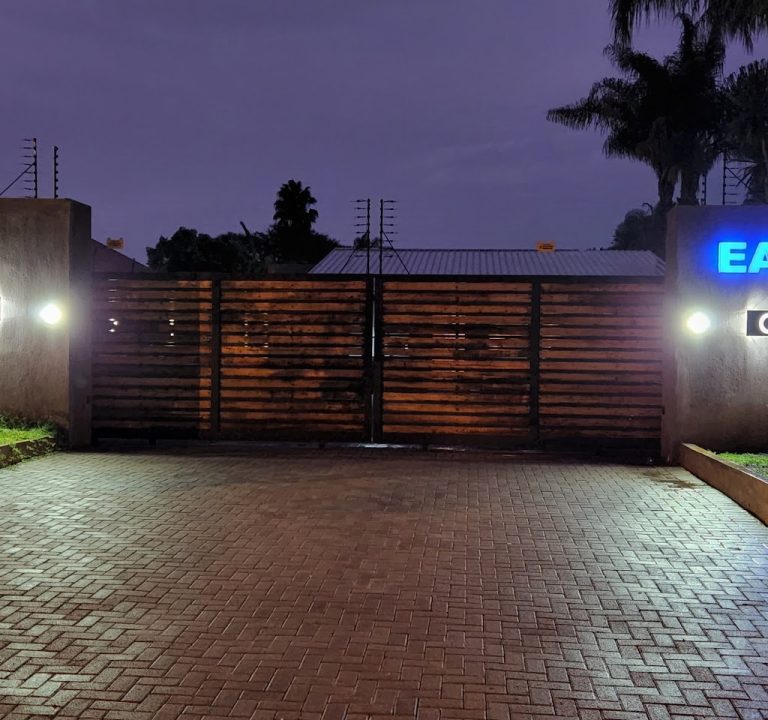
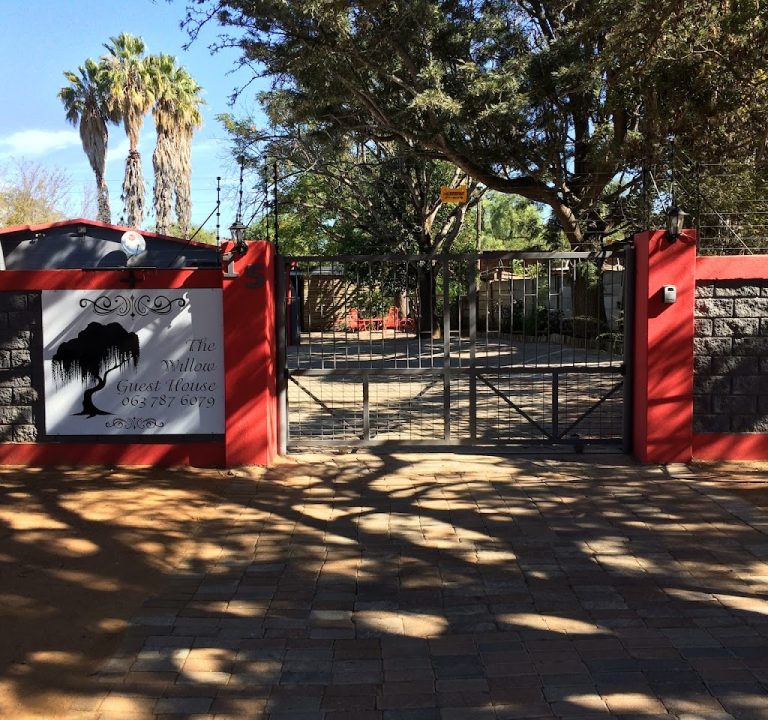
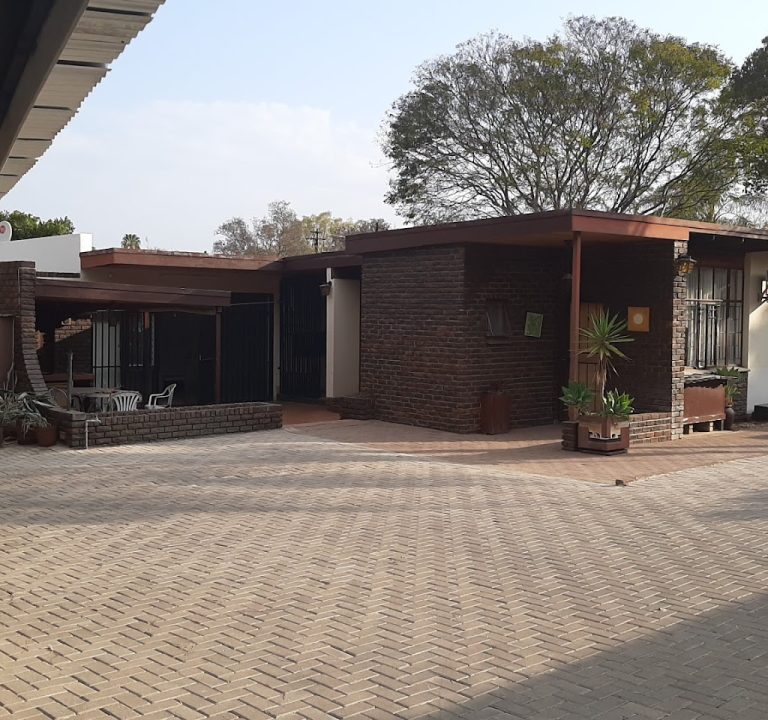
Stylus Self Catering Accommodation is an example of a self-catering option that can suit travellers seeking flexibility. Self-catering units typically provide kitchens or kitchenettes, living spaces and private entrances, which can be convenient for families, groups or travellers on longer stays. When researching any accommodation, look for clear descriptions of the space, photos that reflect the actual unit, and an information-packed checklist that explains what is supplied in the kitchen, bedding and towels, and whether housekeeping is included or available on request. In Polokwane, the choice ranges from compact apartments to larger units with separate bedrooms, often paired with secure parking and reliable Wi‑Fi.
Areas to consider when planning where to stay include the city centre, where proximity to shops, banks and eateries can save time. The suburbs around the central business district can offer quieter streets, while extensions close to shopping malls or business parks may provide modern facilities and easy parking. If you intend to explore the surrounding scenery or wildlife, you might prefer a stay on the outskirts or near established game reserves, where you can enjoy a more peaceful ambience after daytime outings.
Typical amenities to look for include air conditioning or fans (Polokwane can be warm in the summer months), reliable hot water, secure parking, and a pleasant outdoor area such as a courtyard or balcony. A well-equipped kitchen or kitchenette, a comfortable lounge area, and good online access can greatly improve comfort for longer stays. Some properties offer little touches that enhance convenience—laundry facilities, flexible check-in options, and clear information about local transport. For guests without a vehicle, check whether the property is within easy reach of taxis or shuttle services and whether the property can suggest trusted transport options for day trips to nature reserves or local sights.
Transport in and around Polokwane is a practical consideration. The city is most easily navigated with a car, but many visitors also use organised tours or private transfers for longer excursions. If you plan to rely on public transport, verify nearby bus stops or minibus taxi routes and consider the time required to travel to attractions outside the city. Having a flexible plan helps; some days can be dedicated to urban experiences such as markets, cafés and restaurants, while others focus on natural beauty, such as nearby reserves or viewpoints offering panoramic vistas of the surrounding highveld.
The best time to visit Polokwane depends on your interests. The region enjoys a warm climate, with distinct wet and dry seasons. The dry season generally offers clear skies and excellent wildlife viewing in nearby reserves, making it a popular time for visitors who want outdoor safaris or short day trips. The rainy season can bring lush scenery and afternoon thunderstorms, which also has its own charm, particularly for photographers and nature lovers. Pack light layers for daytime heat and cooler evenings, and always have a hat, sunscreen and water if you plan outdoor activities during the day.
When planning activities, consider a mix of experiences to get a broader sense of the area. In town, you can explore markets, craft stalls and eateries that showcase local ingredients and flavours. For nature and wildlife, short drives can bring you to nearby reserves and viewpoints where guided or self-guided walks are possible. In terms of dining, many places in Polokwane offer regional fare with influences from across South Africa, so you can enjoy hearty dishes with seasonal produce. Always check opening hours and whether bookings are recommended, especially on weekends or during holidays.
Practical planning tips to keep in mind:
- Book accommodation with clear cancellation policies and transparent inclusions, especially for self-catering units where household supplies may vary.
- Ask about security features, such as perimeter fencing, gate access, and on-site staff or property managers who can assist after hours.
- Confirm whether a property provides essential amenities like cooking equipment, towels and toiletries, and whether extra bedding or baby equipment is available if needed.
- Check proximity to your planned activities and whether the property offers suggested day trips or partner tours to nearby reserves and sights.
In summary, Polokwane makes for a well-rounded stay, whether you prefer the convenience of a city centre base, a peaceful self-contained unit on the outskirts, or a scenic drive to nearby natural areas. With careful selection of the right area, clear expectations about amenities, and sensible transport planning, your visit to Limpopo can be comfortable, efficient and richly rewarding. For accommodation ideas like Stylus Self Catering Accommodation and similar options, look for detailed descriptions, transparent pricing, and guest reviews that reflect the reality of the space and its suitability for your travel plans.