Polokwane, Limpopo: where to stay, what to see, and how to plan a comfortable visit
Polokwane, the capital of Limpopo Province, offers a welcoming base for travellers exploring northern South Africa. A mix of guesthouses, lodges and boutique stays sit alongside modern hotels, with a climate that suits a range of itineraries from nature escapes to city culture. When planning a stay, consider how much time you want in the surrounding nature, the pace you prefer in town, and how easy it is to access major roads, airports and public transport.
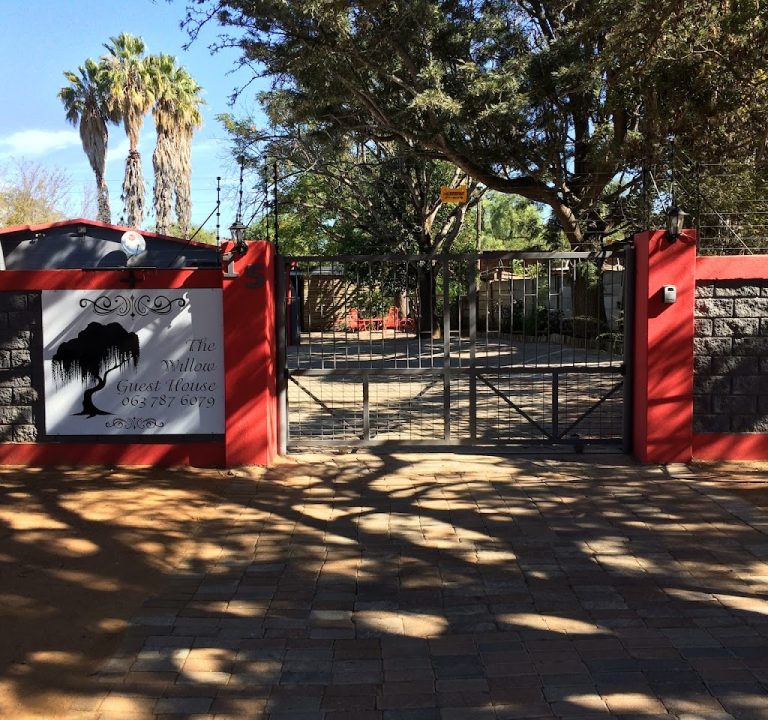
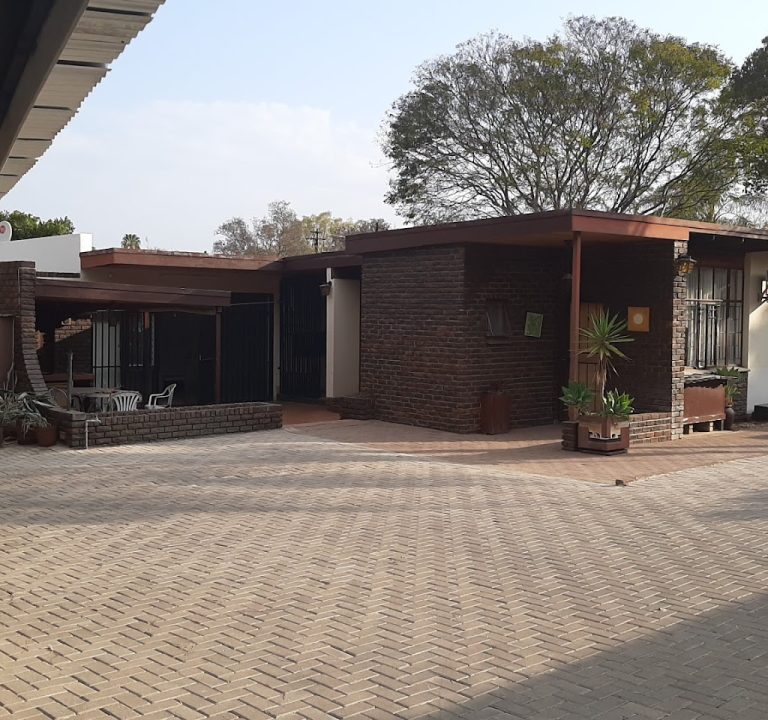
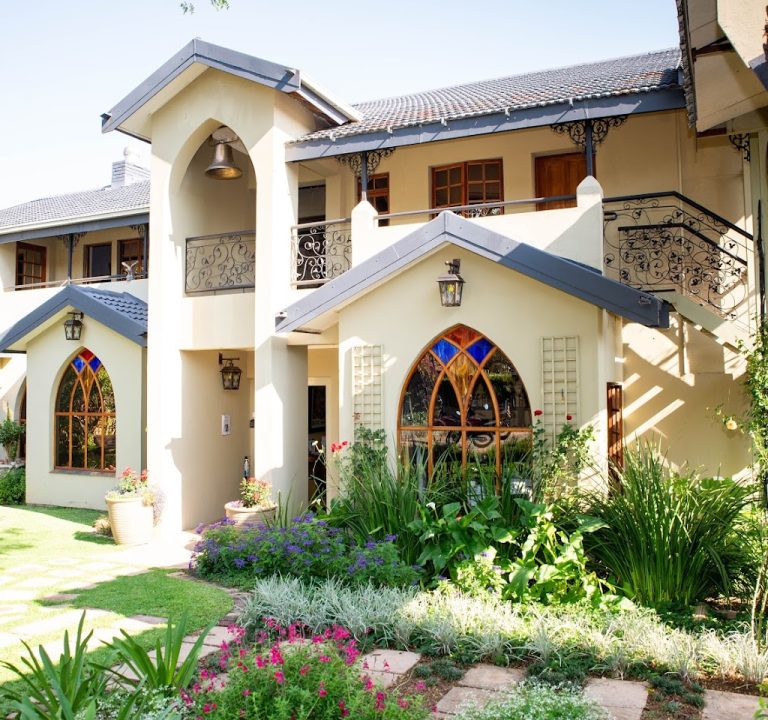
Accommodation choices in Polokwane span simple, friendly guesthouses to more contemporary boutique hotels. If you are seeking a calm, personalised experience with a homely feel, a guesthouse such as Willow Guesthouse can provide an intimate atmosphere, typically including breakfast and a private garden or patio. For a quieter, more private option, look for guesthouses with en-suite rooms, secure parking, and a guest lounge. If you prefer a professional hotel standard with predictable facilities, there are mid-range and upscale hotels that combine reliable service with comfortable rooms and on-site dining. When booking, think about the balance between price and inclusions such as breakfast, parking, wi‑fi reliability, and whether a pool or outdoor space is important to you.
Areas to consider when selecting your base include the central area near the city’s amenities and business districts, as well as suburbs with a more residential, leafy feel. The central core tends to offer shorter walks to shopping centres, eateries and markets, while the outskirts can be quieter and closer to game reserves or nature trails. If you plan day trips to nearby nature reserves or the wider Lowveld countryside, check driving times and whether your stay includes easy access to main routes and reliable transport options.
Typical amenities you can expect from Polokwane’s accommodation include en-suite bathrooms, secure off-street parking, complimentary wi‑fi, air conditioning or fans for hot days, and a courteous, knowledgeable staff. A reliable breakfast is a common highlight, sometimes extending to light evening meals or snack options. Pools and shaded outdoor spaces are welcome in the warmer seasons. Business travellers might value a desk in the room and a convenient work area, while families often appreciate generous rooms or suites and child-friendly facilities.
Transport in and around Polokwane is straightforward but planning helps. The city operates a growing road network, and many guests rely on car hire or shuttle services to explore beyond the town centre. If you do not have a vehicle, check the proximity of your accommodation to taxi services or local transport hubs, and ask the reception about guided tours or day trips. While the city itself is relatively compact, some of the region’s best natural attractions lie a short drive away, so arranging a flexible itinerary can reduce daily travel time.
The best time to visit Polokwane depends on your interests. For outdoor experiences and wildlife, the dry season from May to September offers comfortable daytime temperatures and less muddiness in reserves, though mornings and evenings can be cool. If you prefer greener landscapes and longer days, the wet season from November to March brings occasional showers, vibrant flora and a different mood for city strolls and markets. Consider school holiday periods if you prefer a livelier town atmosphere with more shops and eateries, but be aware that popular periods can lead to busier streets and higher prices.
Attractions and experiences in Polokwane are varied and usually suited to many interests. In town, you can expect museums and cultural venues that give insight into Limpopo’s heritage, alongside markets where local crafts and produce can be explored. On the natural side, nature reserves and nearby scenic drives offer opportunities to observe wildlife, birds and wide open landscapes. For a relaxed day, seek out parks and gardens, casual cafés, and family-friendly eateries where you can sample regional flavours at a comfortable pace. If you are planning a broader itinerary, keep in mind that many visitors combine a city stay with a game reserve day trip or a visit to larger parks in the region, which makes a car or guided transport highly useful.
Practical planning tips to make the most of your stay:
- Check the cancellation policy and whether the rate includes breakfast or access to shared facilities such as kitchens or lounges.
- Ask about security features such as gated parking, room safes, and well-lit walkways, particularly if you will be out after dark.
- Request room descriptions and photos before booking to ensure space for luggage and the level of privacy you desire.
- Inquire about accessibility if required, including step-free access, wide doorways, and suitable bathrooms.
- Plan a flexible schedule that balances city options with nature-based activities to avoid long daily drives.
When browsing options, consider the balance of location, price, and comfort, and read recent guest reviews to gauge how well a property maintains standards and how helpful staff are. With thoughtful preparation, a stay in Polokwane can be a relaxed base for exploring Limpopo’s landscape, culture and cuisine, while also offering a warm sense of South African hospitality in mid-sized-city convenience.