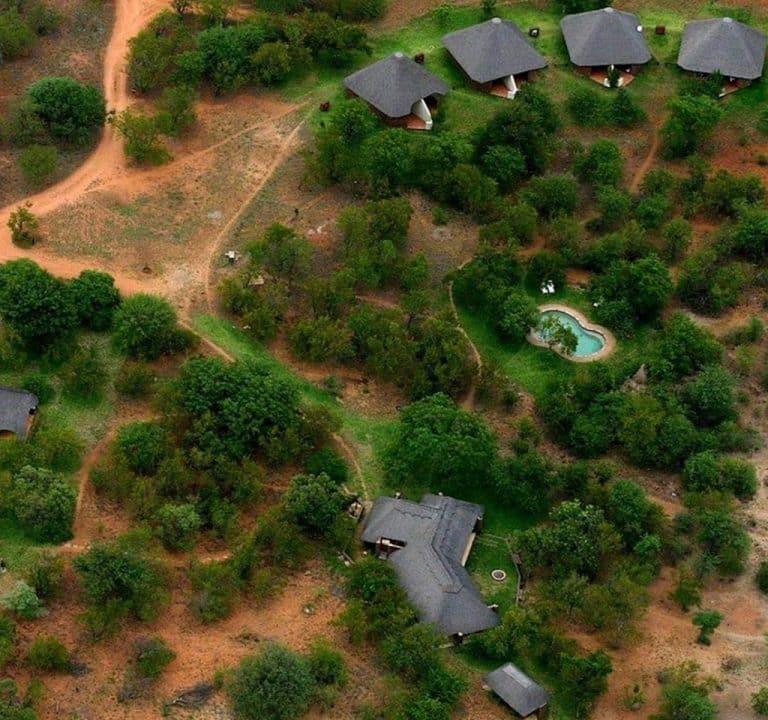
Masorini Bush Lodge is a Lodge establishment in Phalaborwa, Limpopo, South Africa
Masorini Bush Lodge
Masorini Bush Lodge sits on the outskirts of Phalaborwa in Limpopo, offering a secluded base from which travellers can explore the region’s wildlife and landscapes. Described as a hidden gem, the lodge emphasises a low-impact, nature-forward experience that aligns with responsible travel. The setting blends bushveld surroundings with comfortable, self-catering accommodation, making it suitable for guests who appreciate independence and a calm retreat after adventurous days in the area.
One of the standout features is its commitment to sustainable power and water use. The lodge is fully powered by solar energy and relies on its own well water, reinforcing a sense of self-sufficiency and a smaller environmental footprint. This approach to energy and water management is reflected in the overall ethos of Masorini Bush Lodge, which prioritises a harmonious coexistence with the surrounding environment while ensuring guests have access to convenient, self-catering facilities.
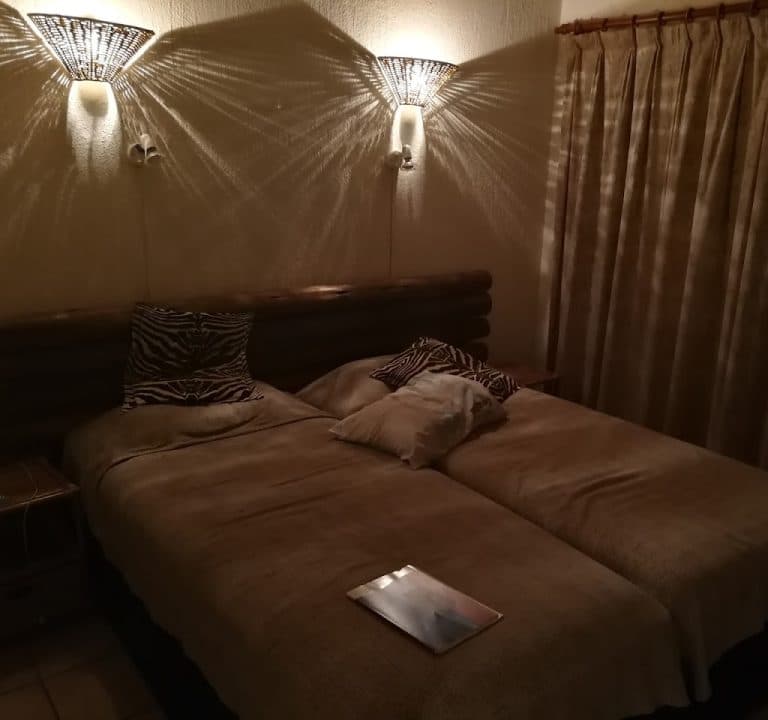
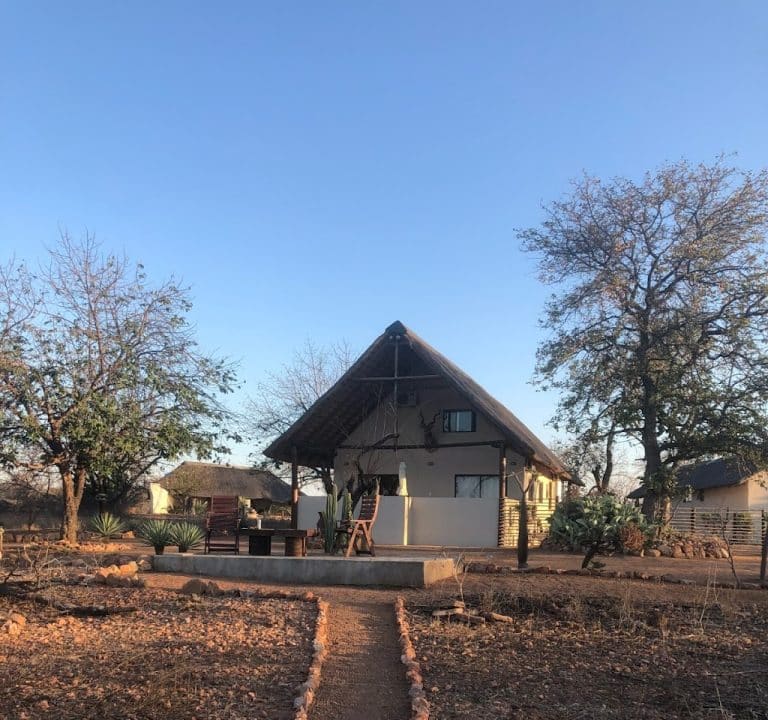
The accommodation portfolio at Masorini Bush Lodge centres on self-catering chalets designed to suit different group sizes and preferences. The property lists several distinct options, including two A-frame chalets, six rondavel chalets, one family chalet (which sleeps up to four guests), and two luxury safari tents. This range provides choices for couples seeking privacy, families needing more space, and groups looking for a shared, lodge-based stay amid natural surroundings. Each unit is configured to offer a comfortable stay within a bush lodge setting, enabling guests to settle in quickly and enjoy the outdoor ambience that characterises the area.
For travellers drawn to an authentic, uncomplicated stay near Phalaborwa, Masorini Bush Lodge offers a straightforward, self-catering model. Kitchen facilities within the chalets allow guests to prepare meals at their own pace, making it an appealing option for visitors who prefer flexible schedules or long wildlife-watching days without the constraints of restaurant timetables. The self-catering arrangement complements the peaceful environment and the opportunity to immerse in nature without the need for elaborate daytime conveniences.
The lodge’s location in Limpopo situates it within reach of the broader Waterberg and Kruger-area experiences that characterise northern South Africa. While the exact nearest attractions are not itemised, the lodge’s bush setting and proximity to Phalaborwa make it a practical starting point for day trips, guided safaris, or independent exploration of local trails and viewpoints. The surrounding bushveld provides a backdrop for observing birds and other wildlife in their natural habitat, contributing to a relaxed pace ideal for travellers who value downtime as part of their itinerary.
Masorini Bush Lodge appears to be particularly well-suited for travellers who prioritise sustainability, independence, and a closer connection with the African bush. The range of accommodation types mentioned—A-frame chalets, rondavels, a family unit, and safari tents—caters to a variety of group sizes and preferences, from couples seeking a tranquil retreat to families and small groups desiring a budget-friendly yet comfortable stay in a natural setting. The emphasis on solar power and own water supply can be especially appealing to guests who appreciate eco-conscious travel and a venue that aligns with more rustic, authentic experiences.
Practical tips for booking and travelling to Masorini Bush Lodge include allowing for a flexible schedule to enjoy the quiet of the surroundings and the ease of self-catering arrangements. Given the lodge’s remote bush location, guests may prefer to arrange travel with flexibility in mind, ensuring arrival times align with check-in windows and any access considerations. While exact policies, pricing, and on-site facilities beyond the self-catering setup are not extensively detailed in the overview, the property’s emphasis on sustainability and self-sufficiency suggests a straightforward stay focused on comfort, privacy, and the natural environment.
- Accommodations include two A-frame chalets, six rondavel chalets, one family chalet (sleeps up to four), and two luxury safari tents.
- All units are self-catering, supporting independent meal preparation during the stay.
- The lodge operates on solar energy and uses well water, reflecting a sustainable approach to power and water use.
- The setting is on the outskirts of Phalaborwa, Limpopo, offering a bush-lodge experience close to wildlife and nature.
For those planning a visit, Masorini Bush Lodge provides a straightforward, nature-forward option that combines private, self-catering comfort with a location that invites exploration of the wider Limpopo region. The official website (www.masorinibushlodge.com) serves as the primary resource for ongoing availability and arrangements, offering a glimpse into the lodge’s character and the experience it aims to deliver—an understated, respectful retreat where human and animal habitats intersect in a serene, sun-powered environment.
Phalaborwa
Limpopo
Phalaborwa
South Africa


Phalaborwa: where wildlife encounters meet comfortable accommodation and easy planning
Phalaborwa in Limpopo is a gateway to the Kruger National Park’s northern region, offering a compact town feel with big natural experiences nearby. When planning a stay, consider the surrounding areas such as the town itself, gateway lodges near the airstrip, and lodges tucked away along riverine routes. Each area has its own rhythm: convenient access to shops and dining, or a more secluded base from which to explore game reserves, hidden valleys and scenic viewpoints. A balanced itinerary often blends restful evenings with memorable day trips into the bush.
In Phalaborwa you will find a range of accommodation types suited to different travel styles. Self-catering lodges, safari tents and rondavel-style chalets provide flexible options for families, couples and groups. One notable example is Masorini Bush Lodge, a hidden gem on the outskirts of Phalaborwa. It operates with solar power and its own water source, emphasising sustainable stays. The lodge offers a mix of chalets and safari-style tents, designed to blend with the surrounding landscape while providing practical amenities for guests who prefer a relaxed, home-from-home experience. For those seeking a contemporary, low-impact stay, such properties illustrate how conservation-minded travel can be comfortable and convenient.
What to look for when booking:
- Energy and water sustainability: solar power, rainwater collection and on-site water sources can enhance independence and reduce environmental impact.
- Type of accommodation: self-catering options offer privacy and flexibility, while fully serviced rooms may suit travellers who want a lighter planning load.
- Proximity to key activities: consider how far you are from Kruger access points, wildlife reserves, or guided experiences, and whether the property offers arrangements with operators.
- Facilities: expect essentials such as reliable Wi‑Fi, secure parking, and shaded outdoor spaces; some lodges may provide communal pools or braai (barbecue) areas.
- Facilities for families and groups: family-size chalets, multiple bedrooms, and safe, open spaces for children can make a big difference to comfort and pace.
- Accessibility and transport: check whether the lodge can arrange transfers or car hire, and whether it is easy to reach by road from Polokwane or Hoedspruit corridor routes.
Typical amenities you can expect in Phalaborwa-area stays include self-catering kitchens or kitchenettes, private verandas or outdoor seating, mosquito protection, air conditioning or fans for warm months, and on-site parking. If you are visiting during the dry season, you may want shaded outdoor spaces and a good pool to cool off after game drives. For rainy seasons, a lodge with well-designed drainage, covered verandas and reliable maintenance will help ensure comfortable days, whatever the weather.
Transport and getting around are practical considerations. If you plan self-drive safaris, a vehicle with good clearance and a reliable air-conditioning system is invaluable. If you prefer guided experiences, many lodges partner with local operators to arrange morning or late-afternoon game drives, with itineraries designed to maximise wildlife sightings while minimising fatigue. For short stays, staying closer to the town centre can reduce transit times and give you easy access to restaurants and shops after your day’s activities.
Best time to visit Phalaborwa depends on weather and wildlife patterns. The dry season (roughly May to September) often offers clearer animal sightings as animals gather around water sources, and bush walks can be more comfortable with cooler mornings. The wet season brings lush scenery and fewer crowds, and is a good time for birdwatching as resident and migratory species thrive. Humidity and heat peak in the warmer months, so picking a comfortable period with thoughtful planning for afternoons is wise.
Eating out and enjoying the local scene can be as much a part of the experience as the lodgings themselves. In Phalaborwa, expect to find relaxed eateries that serve hearty South African favourites, seasonal menus, and cafés that are convenient after a day in the wild. Many visitors diversify meals by incorporating a stay in a lodge with self-catering days for a wildlife-forward rhythm, punctuated by restaurant meals when you want a touch of variety. When planning, check whether your accommodation can recommend reputable nearby options or arrange reservations on your behalf.
Practical tips to help you plan a smooth stay:
- Book early for peak wildlife viewing periods and school holidays, especially if you have specific room layouts or family needs.
- Confirm what is included in your rate—linens, electricity, and daily housekeeping can vary between properties.
- Ask about security, accessibility, and childcare options if travelling with children.
- Check safety and health considerations, particularly if you plan to venture into reserves or undertake guided walks.
- Bring a light jacket for early mornings and evenings when temperatures can drop, even in warmer climes.
For more information about Masorini Bush Lodge, you can visit their official site to explore accommodation options, experience-driven stays and sustainable travel credentials. Links to lodge pages may provide additional context on chalets, tents and family-friendly layouts, helping you tailor a Phalaborwa visit that aligns with your comfort level and travel goals.
Sorry, no records were found. Please adjust your search criteria and try again.
Sorry, unable to load the Maps API.
Why Claim Your Listing?
Claiming your listing on the B&B Finder directory website is a valuable opportunity for business owners. Here are five reasons why you should consider claiming your listings:
Control Over Business Information: By claiming their listing, business owners can ensure that all the information presented is accurate and up-to-date. This includes details such as contact information, address, pricing, and available services or amenities. Accurate information helps prevent customer confusion and improves overall satisfaction.
Enhance the Listing: Once a listing is claimed, owners can enhance it by adding more comprehensive information and rich media, like high-quality photos and videos. These additions can make the listing more attractive and engaging to potential customers, thereby increasing the likelihood of bookings.
Marketing Opportunities: Claiming a listing can also open up additional marketing opportunities. Owners may be able to participate in promotional campaigns, special offers, and other marketing activities organized by the directory. This can increase visibility and attract more customers to the business.