Phalaborwa: Accommodation, attractions and practical tips for a traveller-friendly stay
Phalaborwa, in Limpopo’s Valley of the Olifants, offers a gateway to the iconic Kruger National Park and a landscape shaped by the perennial Olifants River. The town itself blends practical, comfortable stays with easy access to wildlife experiences, cultural encounters and outdoor adventure. When planning a visit, consider where you want to base yourself and how you will move between reserves, viewpoints and dining spots. A well‑chosen base can make a big difference to your time and budget, especially in peak travel periods.
Areas to consider for your stay include central Phalaborwa, which puts you within easy reach of shops, restaurants and the town’s service infrastructure. If you prefer quieter surroundings or a more wildlife‑centric vibe, look for lodges or guesthouses on the outskirts or near entry gates to nature reserves. Some properties offer guided game drives, outdoor balconies or verandas, and other creature comforts that can help you unwind after a day in the bush. When shortlisting options, weigh factors such as distance to the entrances of the main parks you plan to visit, on-site dining, and whether a self‑catering kitchen or fridge is useful for your itinerary.
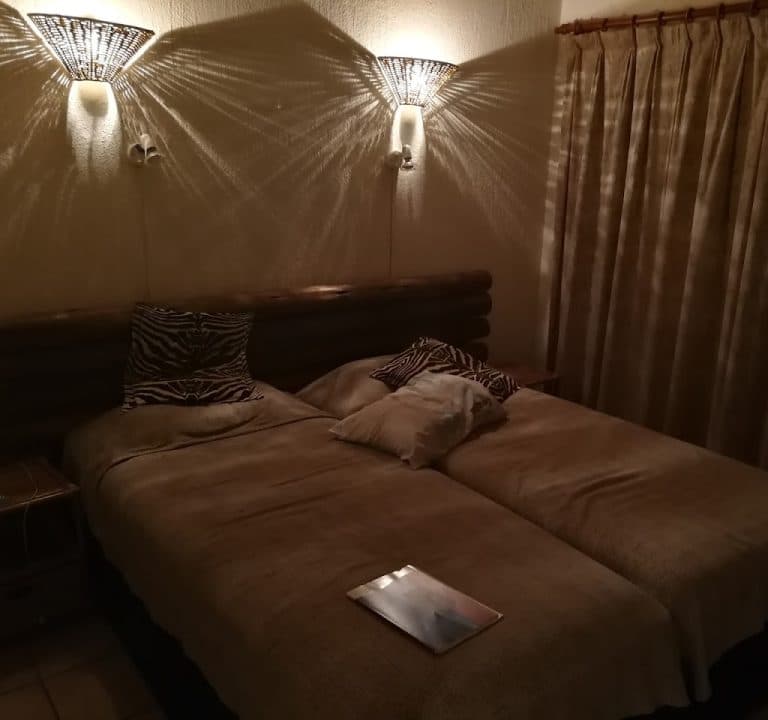
What to look for when booking a stay in Phalaborwa includes a balance of comfort, access, and reliability. Typical amenities worth prioritising are secure parking, daily housekeeping, reliable wi‑fi, air‑conditioning or fans for hot months, and clear information about drive times to close wildlife areas. If you plan early morning game drives, check whether breakfast service is available on site or if you’ll need to arrange a takeaway. Family friendly properties may offer cots or child‑suitable spaces, while adults‑only retreats can provide a more tranquil atmosphere for couples or friends. For travellers with mobility needs, confirm ground floor rooms, wide entrances, and accessible facilities before booking.
Transport in and around Phalaborwa is practical but can be slow depending on seasonal weather and road conditions.Hiring a car is usually the most convenient option for exploring Kruger’s gates, viewpoints and surrounding reserves at your own pace. Certain lodges and guesthouses offer transfers or local shuttle services to nearby gates or airstrips. If you prefer not to drive, arrange guided tours or private drivers through your accommodation, which can save time and provide insightful context about the landscape, flora and fauna. Having a flexible schedule helps, since wildlife activity often peaks at dawn and dusk and some private reserves operate with specific entry times.
Best time to visit Phalaborwa aligns with your priorities. The dry season (roughly May to September) tends to be popular for wildlife viewing, as animals congregate around water sources and sightings are easier. The heat of the wet season (roughly October to April) brings lush scenery and newborn animal activity, but higher humidity and the possibility of rain can affect road conditions and outdoor plans. Shoulder periods can offer a balance of comfortable temperatures and good game viewing, with fewer crowds and potential value in certain lodge packages. If you enjoy long days in the outdoors, pack lightweight clothing for day trips and a warmer layer for early mornings in the bush, along with sun protection and a hat.
Practical planning tips to make the most of a stay in Phalaborwa:
- Book a base with close proximity to your planned activities to minimise driving time and maximise time on safari or exploring.
- Check meal arrangements, as some lodges offer inclusive meals, while others are self‑catering or alimentación‑style with on‑site facilities or nearby eateries.
- Confirm gate opening times and whether you require a reserve permit or entry pass, and factor in travel time to avoid rushing before gates close.
- Verify safety measures at accommodation, including secure parking, night lighting and staff availability for assistance with logistics or emergencies.
- Plan for currency needs and practical costs; many places accept cards, but some smaller establishments may rely on cash for local purchases.
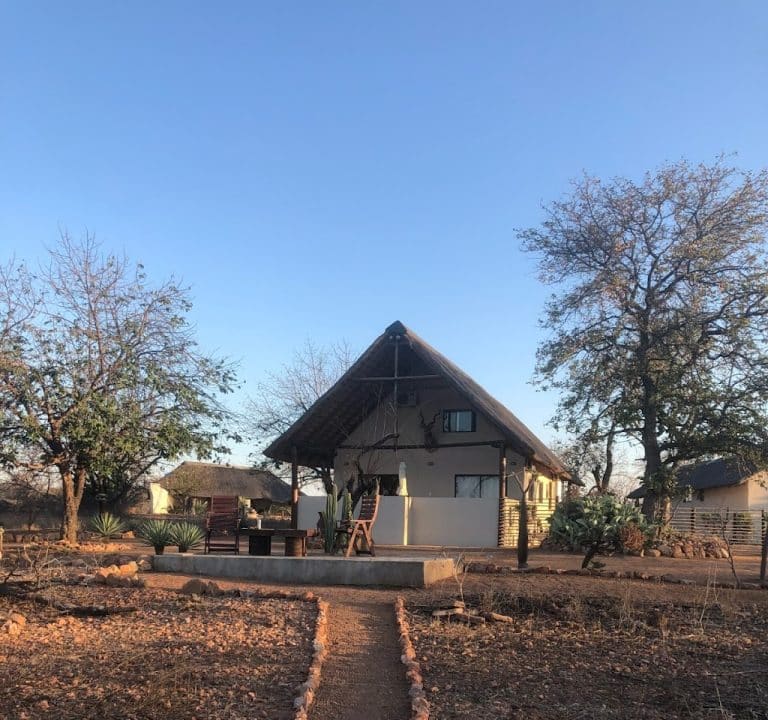
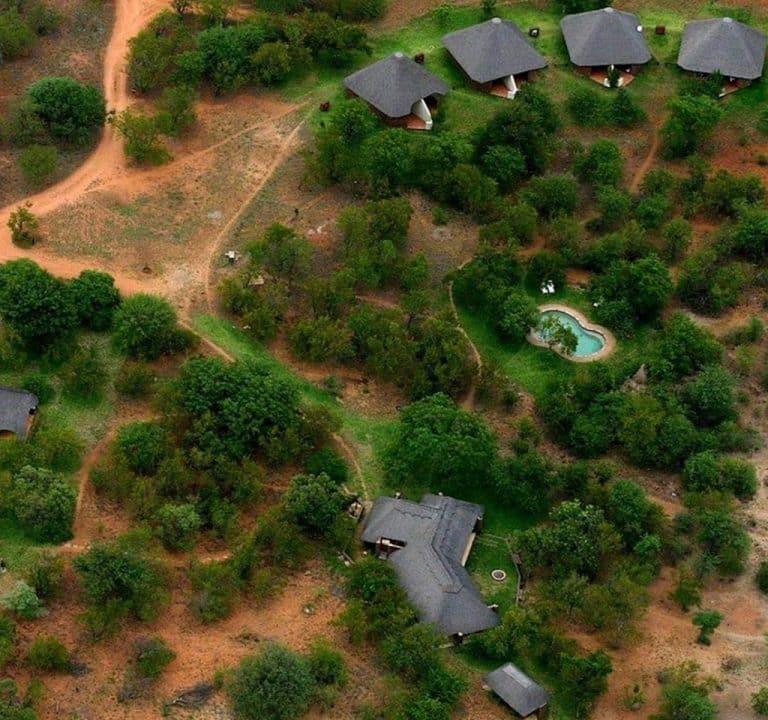
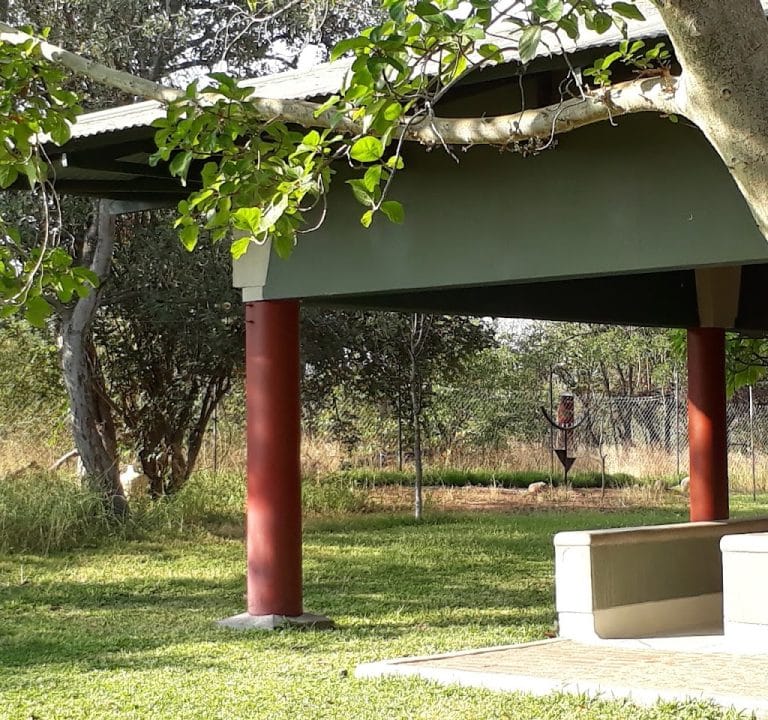
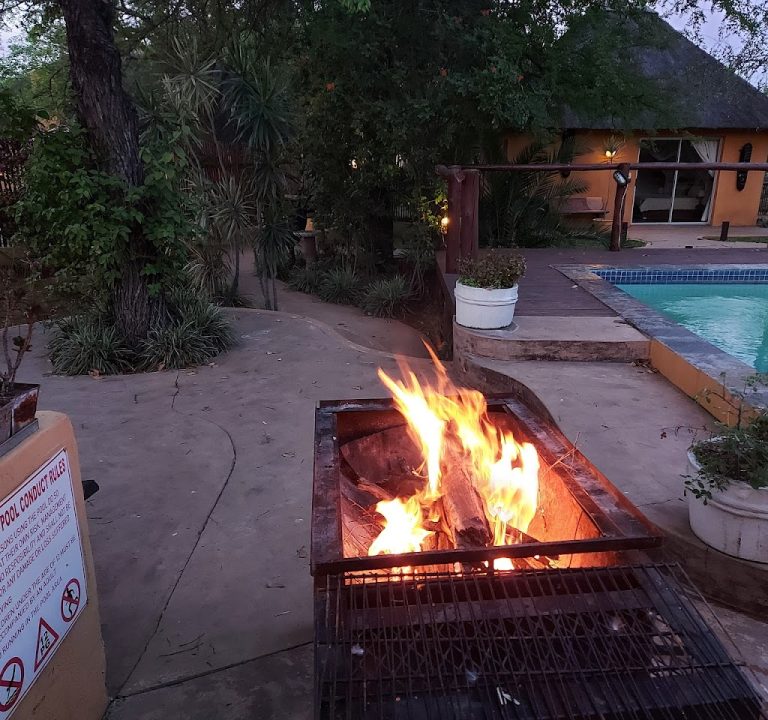
In terms of accommodation types, Phalaborwa offers a spectrum from rustic lodges and guesthouses to mid‑range hotels and self‑catering cottages. A popular choice for wildlife enthusiasts is a lodge with curated experiences such as guided drives, nature walks, or stargazing evenings. While the town acts as a practical hub, a number of properties also provide comfortable lounges, pool areas, and verandas for quiet downtime between excursions. For travellers curious about the wider region, some lodges curate excursions to nearby pans, viewpoints and cultural experiences that showcase Limpopo’s diverse heritage and landscape.
Dining around Phalaborwa tends toward uncomplicated, hearty meals that suit safari schedules. You’ll find options ranging from informal bistros to hotel‑style restaurant settings, with an emphasis on hearty southern African staples, grilled dishes and seasonal produce. If you are staying in a self‑catering or semi‑self‑catering property, you can supplement meals with groceries from local shops and fruit markets. For inspiration beyond your accommodation, reputable websites or travel guides can point you to areas with a concentration of eateries and casual cafés around town.
As a practical example, some travellers explore staying at a lodge that is marketing itself as a private escape and aligns with a broader travel plan, including a dedicated website for guest information and bookings. For travellers considering a stay near Phalaborwa, a lodge option with a strong on‑site presence and guest services can be a convenient anchor, with a link provided for more information and potential reservations: https://www.thula.dk/. Always cross‑check current availability, terms, and accessibility when you narrow your shortlist.
Phalaborwa is a destination where careful planning and flexible pacing unlocks a rewarding blend of nature, comfort and regional flavour. By choosing the right area, confirming essential amenities, and planning around park timings, you can enjoy a seamless stay that supports easy wildlife viewing, memorable meals and pleasant downtime between adventures.