Accommodation and planning for Phalaborwa, Limpopo
Phalaborwa in Limpopo is a gateway to a rich mix of wildlife, landscapes and local culture. When planning a stay, travellers commonly combine self-catering options, guesthouses and lodges with easy access to Kruger National Park and nearby wilderness areas. The town serves as a practical base for wildlife viewing, nature activities and day trips, while offering a range of convenient services, shops and eateries.
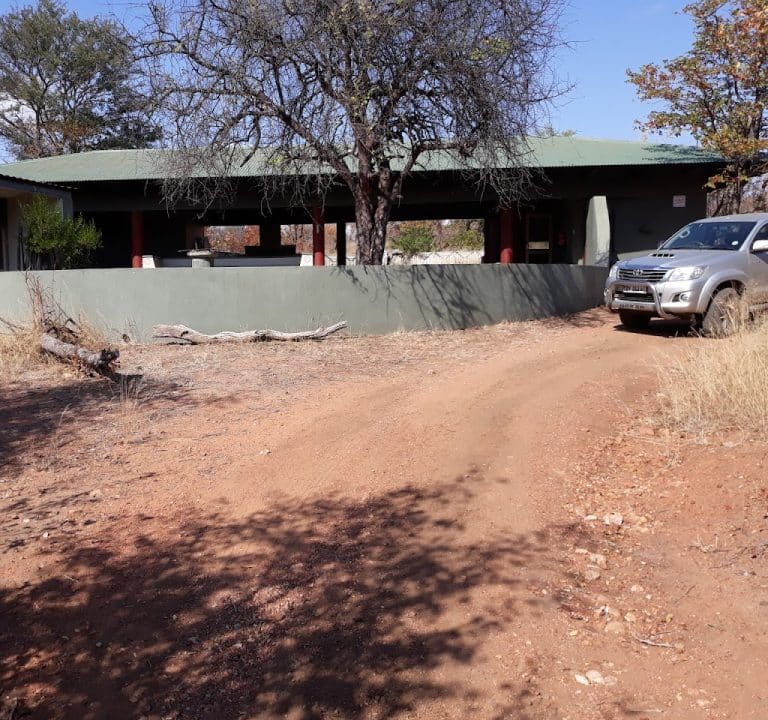
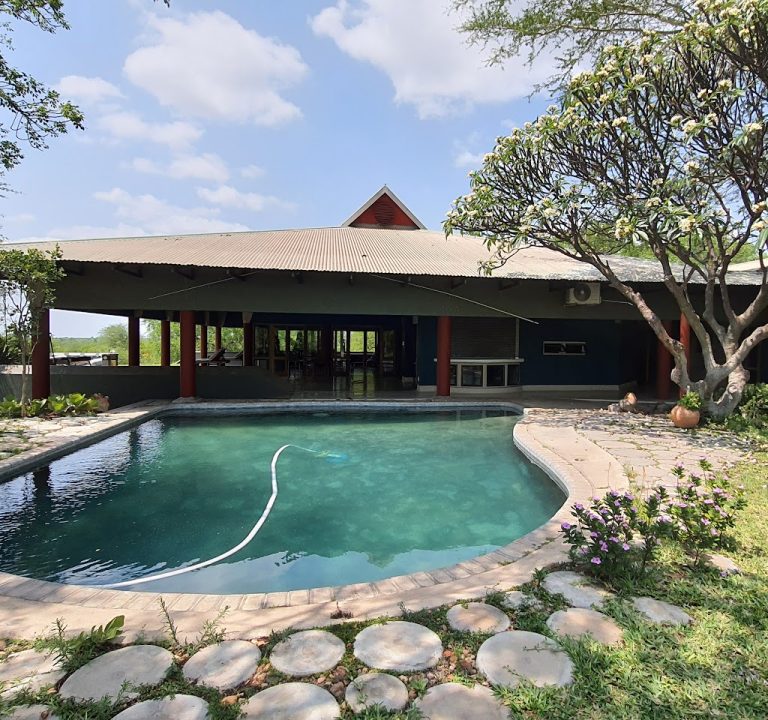
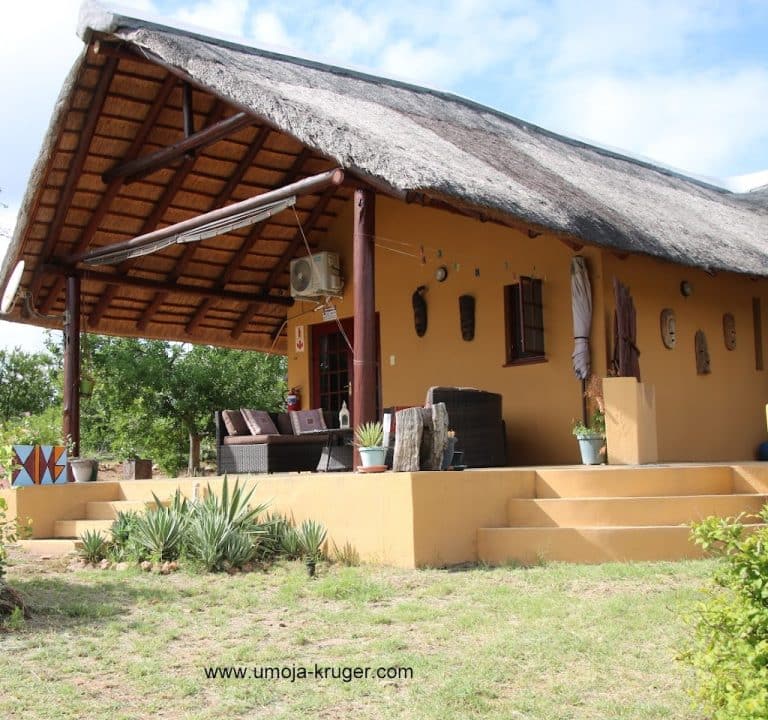
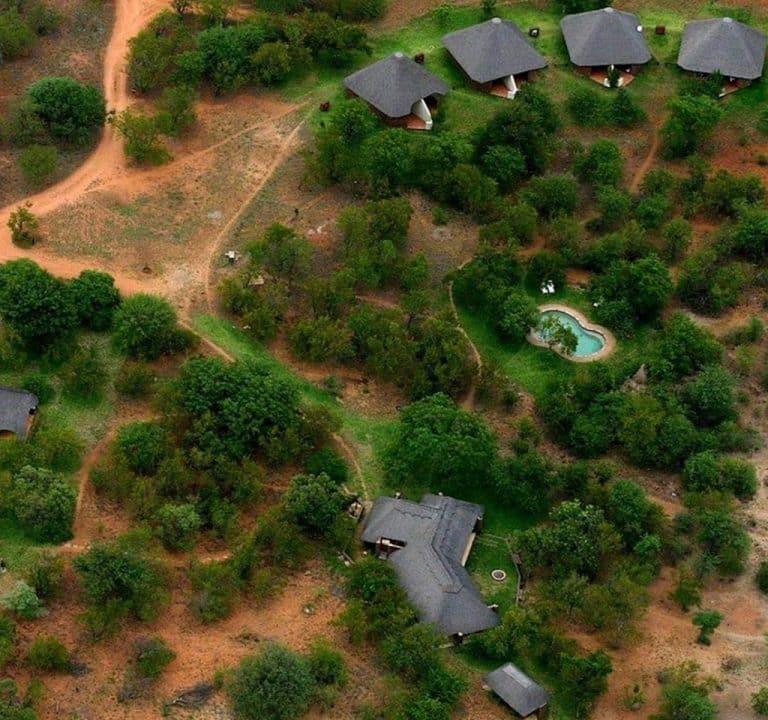
For those seeking self-catering comfort, Phalaborwa and its surrounds present several options that you can tailor to your itinerary. A self-catering camp or lodge can provide independence for family visits, longer safaris or a cosy retreat after a long day outdoors. Illustrative examples include established self-catering stays and small privately run lodges, which often feature kitchen facilities, communal spaces and outdoor dining areas. If you are considering specific properties, check their proximity to Kruger National Park gates—availability and timings of sunrise game drives or guided walks can influence where you base yourself. One example of a self-catering option to explore is Tingala Lodge, which offers a convenient hub for travellers seeking flexible content and home-from-home facilities. Visit the property’s site for the latest details on accommodation layout and inclusions.
When choosing where to stay, consider the following areas and what they offer:
- Proximity to the main routes into Kruger National Park and nearby wildlife viewpoints.
- Accessibility to groceries, petrol and essential services, particularly if you plan to self-cater.
- Quiet streets versus busier commercial areas, depending on whether you want a tranquil retreat or convenient access to dining and nightlife.
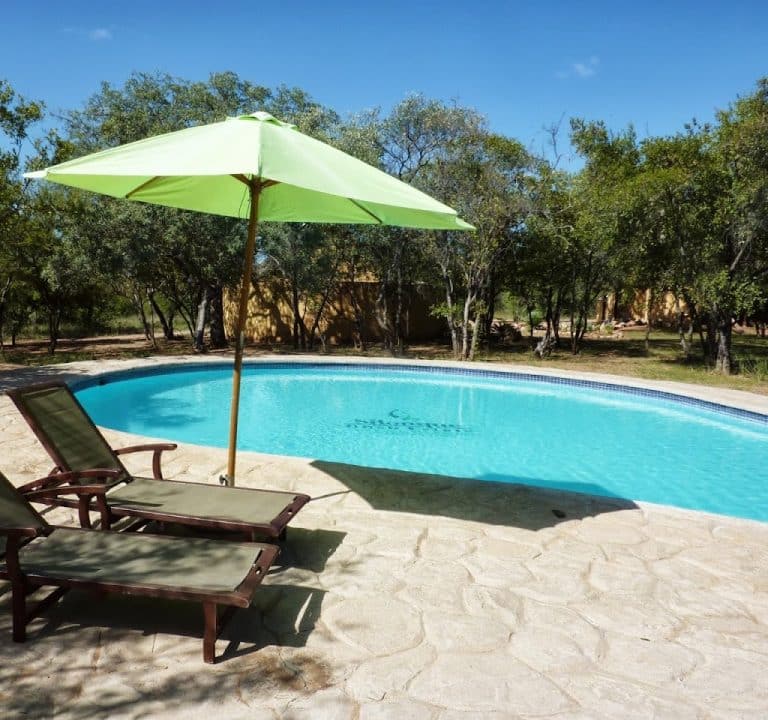
- Outdoor spaces such as verandas, gardens or pool areas for downtime after a day on safari.
What to look for when booking
- Clear descriptions of the accommodation type (self-catering, full-service lodge, guesthouse) and the number of bedrooms or units.
- Transparent information about privacy, security, parking, and cleaning regimens.
- A practical kitchen or kitchenette setup if you intend to cook, plus outside grill facilities if available.
- Self-contained units with private bathrooms and reliable hot water, plus air conditioning or fans for comfort in hot months.
- Flexible check-in and check-out arrangements, particularly if you are coordinating long driving days or flight connections.
- Access to reliable Wi-Fi for essential planning, maps and contact with guides or organisers.
Typical amenities you may encounter
- Fully equipped kitchens or cooking facilities, including fridges, stovetops and cookware.
- Private or shared outdoor spaces, BBQ areas and shaded seating.
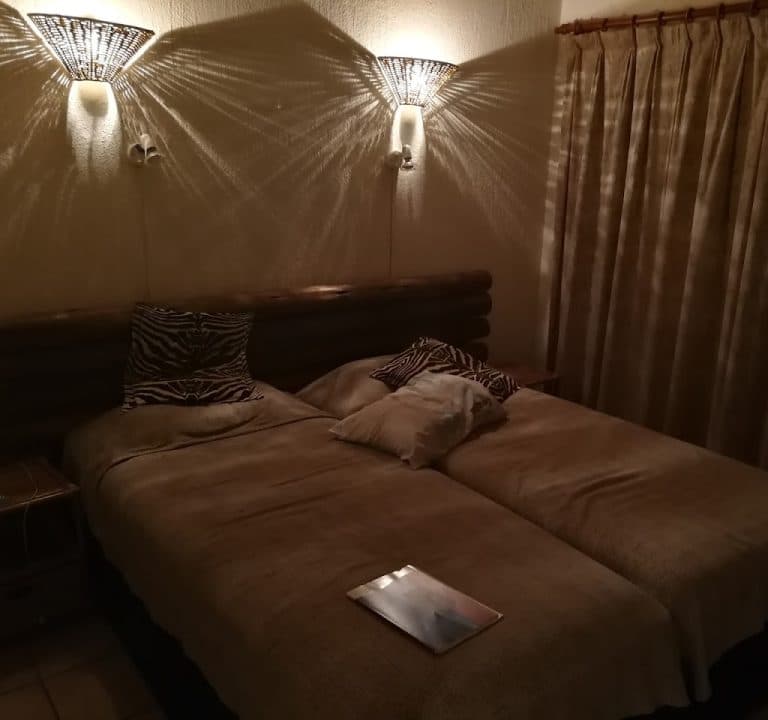
- Comfortable beds with clean linens, and en-suite or well-appointed bathrooms.
- Air conditioning or ceiling fans, and housekeeping options on request.
- Secure parking, on-site staff, and guided activity desks or partner tours.
- Optional extras such as laundry facilities, pool access or vehicle charging points.
Transport and getting around
Phalaborwa is best explored with a hire car or organised transfers, especially for wildlife excursions and day trips to Kruger Gate entrances. Some guesthouses and lodges offer airport or gate transfers as part of their packages, so check what is included when you book. If you prefer not to drive, there are guided safaris and organised tours available from many accommodation providers. Road conditions can vary, so plan extra time for longer drives between attractions and your base.
Best time to visit
- The dry season (roughly May to September) is popular for wildlife viewing, with animals gathering around water sources and vegetation thinner in the bush. It tends to be cooler in the mornings and evenings, which is ideal for early game drives.
- The wet season (roughly November to March) brings lush scenery and abundant birdlife, but some roads may be less accessible due to rain. This period can offer vibrant landscapes and occasional short tropical showers.
- Shoulder seasons can balance wildlife sightings with more moderate temperatures and fewer crowds.
Practical planning tips
- Book early for larger groups or peak periods such as school holidays, as self-catering and small lodges can fill quickly.
- Confirm what is included in your stay (linens, cleaning, firewood, or guided excursions) to avoid unexpected extras.
- Check cancellation policies and any seasonal restrictions that may affect access to parks or gates.
- Plan meals around the proximity of your accommodation to dining spots if you do not intend to cook every day.
- Pack appropriately for varied conditions: lightweight clothing for daytime heat, warmer layers for early morning drives and evenings, sun protection, and sturdy footwear for walks.
Attractions and dining
Beyond the wildlife safaris, Phalaborwa offers easy access to scenic landscapes and nature experiences. Day trips to conservation areas, viewpoints over river canyons and natural reserves provide opportunities to learn about local ecosystems. Dining within or near accommodation zones typically ranges from casual eateries to established restaurants that emphasise local flavours and seasonal produce. For many guests, a meal out after a day in the bush offers a chance to sample regional ingredients and relaxed hospitality. When planning meals, check whether your accommodation can provide catered options, assist with restaurant recommendations, or arrange private chef services for a specialised evening.
If you would like to explore self-catering or lodge-style stays in Phalaborwa, you can visit Tingala Lodge for more information on facilities and booking options. For further details on accommodation and travel ideas, reputable travel sources and the official park and tourism sites can provide updated recommendations, seasonal events and practical tips to help you shape your itinerary.