Accommodation and Experiences in Cape Town: Where to stay and what to do
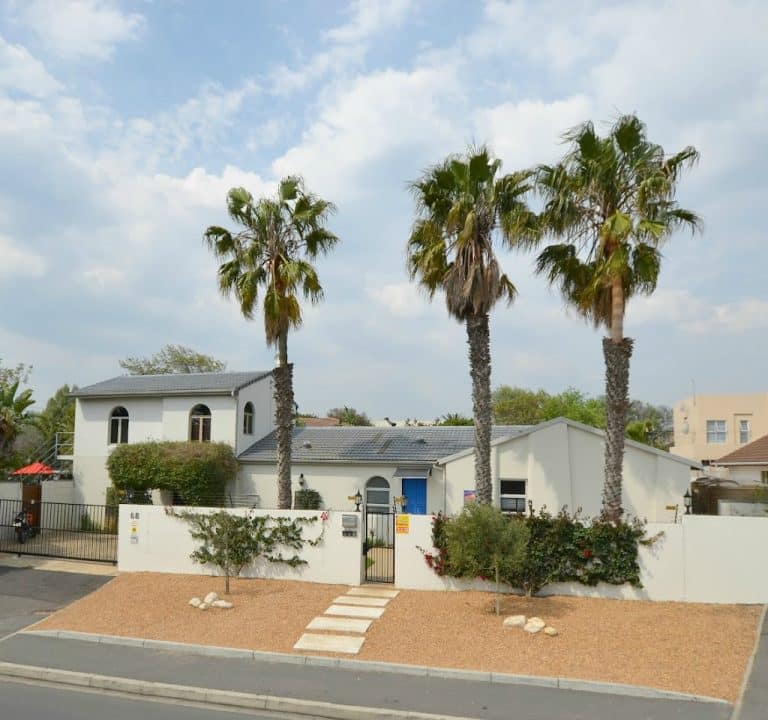
Cape Town offers a remarkable mix of lodging—from cosy guesthouses and boutique BnBs to stylish lodges and self‑catering apartments. When planning a stay, the settings you choose can shape your daily rhythm as much as the comfort of your bed. Consider your priorities: proximity to the iconic sights, ease of transport, or a more relaxed village‑style ambience. In the city’s flatter inner districts you’ll find everything from practical family‑friendly stays to chic urban boltholes, while the Atlantic Seaboard and the Constantia Valley offer coastal glamour and vineyard calm, respectively. A known option for customised stays is Mary Lodge, a lodging choice that exemplifies the kind of intimate, well‑located accommodation travellers often seek in Cape Town.
Key areas to consider when booking include:
- City Bowl and the urban core: convenient for museums, dining, and nightlife, with easy access to MyCiTi bus routes and Uber/Taxi services.
- V&A Waterfront and de Waterkant: a lively waterfront setting with plenty of dining and shopping options, often within easy walking distance of many attractions.
- Camps Bay and the Atlantic Seaboard: renowned for expansive ocean views, sandy coves, and stylish restaurants, best for those who value scenery and a resort atmosphere.
- Constantia and the southern suburbs: ideal for quiet mornings, tree-lined lanes, and access to wine estates, with lots of space and a slower pace.
- Observatory and leafy neighbourhoods nearby: a blend of characterful BnBs, independent cafés, and easy access to the city.
What to look for when booking a property:
- Location balance: close to the activities you enjoy, but with safe access to transport after dark.
- Amenities that suit your itinerary: secure parking if you’ll hire a car, in‑room climate control for varied weather, reliable Wi‑Fi for remote work or streaming, and a good breakfast offering if you plan long day trips.
- Property type and style: some travellers prefer compact guesthouses with intimate service, while others opt for larger lodges with communal spaces and gardens.
- Reviews and host communication: recent guest feedback can reveal consistency, responsiveness, and the real noise level or crowding you might expect.
- Safety features: well‑lit entrances, clear access routes, and staff available on site are especially important in urban settings.
Typical amenities you may encounter include en‑suite bathrooms, kitchen facilities or access to a shared kitchenette, daily housekeeping, secure parking, and on‑site lounges or courtyards. Some properties offer flexible check‑in times, late‑hour reception, or guided experiences—such as recommended day trips or private tours around the peninsula. When travelling with family, look for larger suites, foldaway beds, and child‑friendly spaces. For a longer stay, a self‑catering option can offer real convenience and cost savings, particularly in more tranquil districts like Constantia or the leafy suburbs.
Transport and getting around Cape Town is straightforward, though planning helps avoid delays. The MyCiTi rapid bus network covers many parts of the city and suburbs, with routes connecting the city centre to the Atlantic Seaboard and other popular zones. Renting a car provides the most flexibility for scenic drives and day trips to places like the Cape Point peninsula or wine estates; be mindful of peak traffic times and parking arrangements at major attractions. Taxis and ride‑hailing services are widely available and useful for evening outings or when you’re staying in more compact neighbourhoods.
Best time to visit Cape Town depends on what you seek. The summer months (December to February) bring warm weather, ideal for beaches and outdoor activities, though popular areas can be busy. Autumn (March to May) softens the heat and crowds, often providing great conditions for hiking and sightseeing. Winter (June to August) is cooler and occasionally rainy, which makes city museums, dining experiences, and cellar doors in Constantia particularly appealing. Spring (September to November) offers flowers in bloom and pleasant temperatures. If you plan winery visits, consider booking ahead in peak seasons and verify opening hours, as some estates operate seasonal tours.
Attractions and experiences, in general terms, include spectacular panoramas from cable cars or lookout points, historic and cultural sites, and coastal trails. Iconic natural scenery around Table Mountain is best enjoyed with a clear day for uninterrupted views and photo opportunities. The Cape Peninsula and nearby nature reserves provide hiking, wildlife viewing, and scenic drives, while the V&A Waterfront combines shopping, eateries, and occasional live performances. Weather‑dependent activities such as sea kayaking, penguin viewing at coastal reserves, or beaches with protected swimming zones add variety to any itinerary. In terms of dining, Cape Town’s restaurant scene emphasises fresh seafood, farm‑to‑table ingredients, and international influences; most venues offer menus that evolve with seasons, and many provide outdoor seating with views of the harbour or ocean.
Practical tips for a smooth stay: book accommodations with flexible cancellation where possible, especially during peak travel periods. Check access details for your arrival and departure times, and confirm whether late check‑in arrangements are in place if you’re arriving after hours. Pack adaptable clothing for changing weather and bring comfortable walking shoes for hilly streets and coastal paths. From a safety perspective, rely on well‑lit routes after dark, use reputable transport options, and keep valuables secure. Finally, plan a mix of activities—city culture, natural scenery, and relaxed evenings—to make the most of a Cape Town visit, balancing iconic experiences with hidden gems that locals love.
For more inspiration and practical planning, you can explore official tourism resources and local property listings that offer details on neighbourhoods, transport options, and suggested itineraries. A well‑chosen base in Cape Town sets the stage for a memorable South African stay, one where comfortable accommodation, easy access to attractions, and thoughtful dining make every day a delight.