Accommodating Cape Town: Where to stay, what to expect, and how to plan your visit
Cape Town, set against a dramatic backdrop of ocean and mountain, offers a wide range of guesthouses, BnBs, boutique hotels and lodges to suit every traveller. Whether you are chasing city culture, coastal views, or easy access to nature, planning your stay around a few well-chosen neighbourhoods can make a big difference. Below is a practical guide to accommodation options, what to look for when booking, handy amenities to consider, transport tips, and suggestions for activities and dining that are in step with the season and the city’s rhythms.
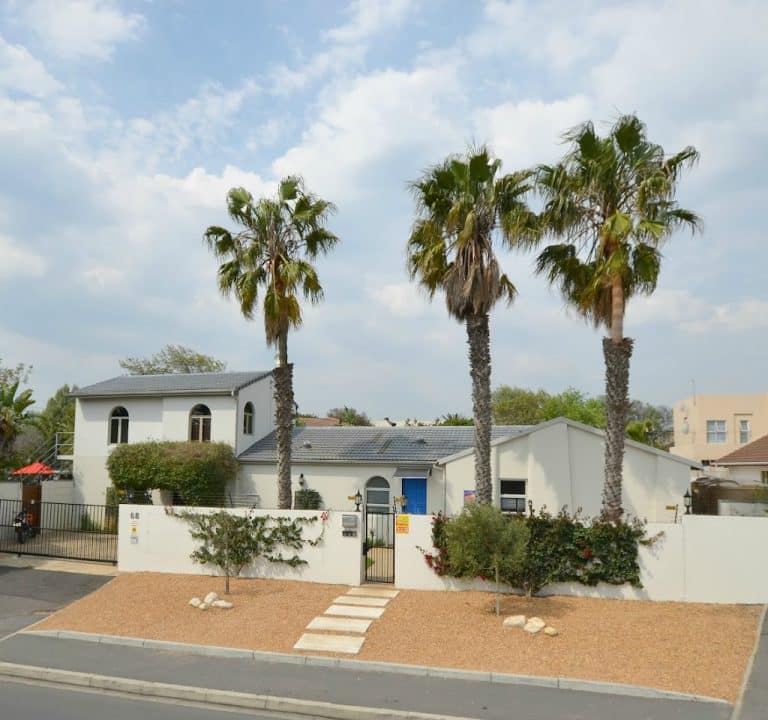
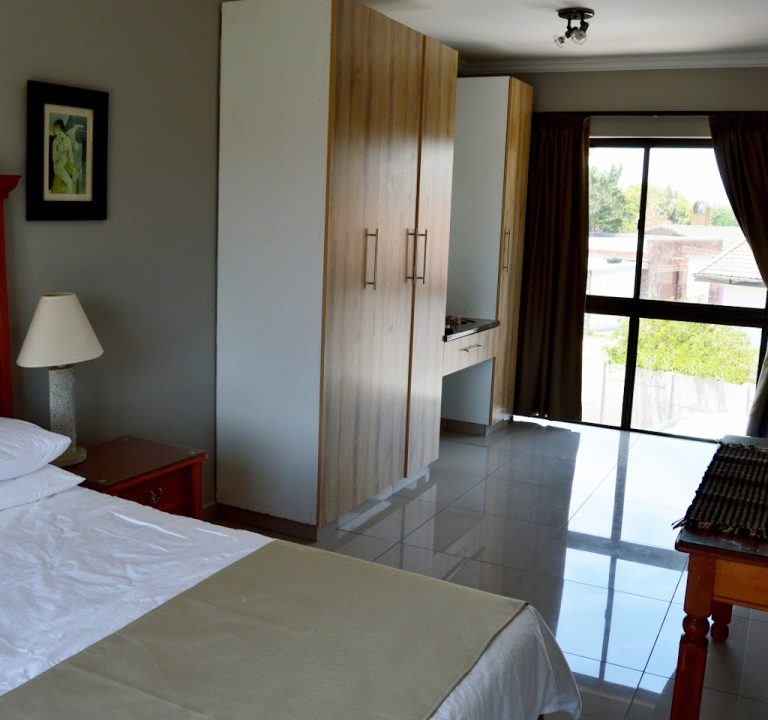
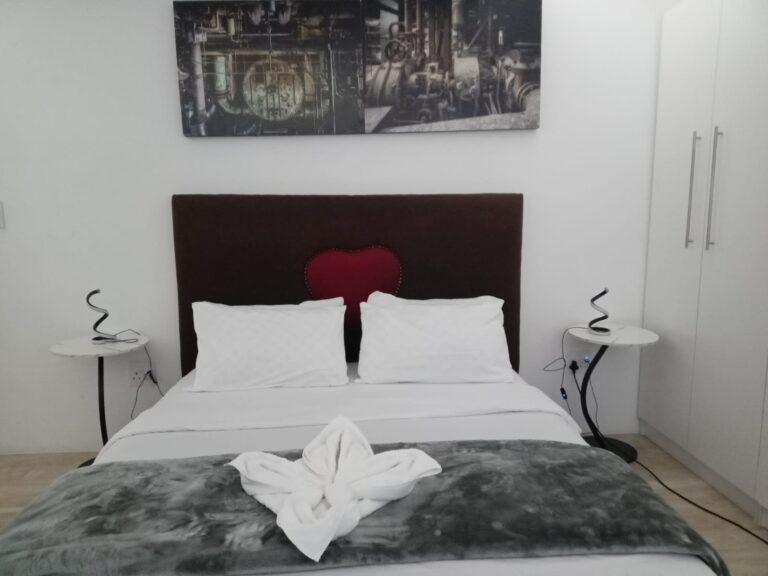
One example of a guest-focused option is AVIVA House, a guest house that emphasises comfort and accessibility in its design and service. For a stay here you can expect thoughtful touches common to Cape Town’s guest houses, with clear information about local attractions and convenient access to transport links. You can learn more about its offering on the property’s website.
When planning a stay, think about three key factors: location relative to the activities you want to pursue, the level of privacy and facilities you require, and how you will get around the city. Cape Town is a city of suburbs, each with its own character and access patterns to the mountain, the coast and the central business district. A practical approach is to pick a base that minimises travel time to the places you care about most, while still offering a safe and restful retreat after a day of exploring.
- City Centre and De Waterkant: convenient for museums, markets, dining and nightlife; walkable streets, but can be busier.
- Atlantic Seaboard (incl. Green Point, Sea Point, Camps Bay): stunning coastal promenades and sea views, excellent for sunset walks and access to beaches.
- Constantia and Constantia Valley: famed for wine and green hills, gentler traffic and a relaxed pace.
- Hout Bay and the Atlantic coast towards Noordhoek: more rural feel, with access to beaches and scenic drives.
- Woodstock and neighbouring neighbourhoods: growing number of stylish guesthouses and eateries, good for easy city access.
Typical amenities in Cape Town accommodation range from private ensuite bathrooms and comfortable bedding to reliable Wi‑Fi, breakfast options, and secure parking. Many guest houses offer shared lounges, guest kitchens, or verandas with views. If you value a personal touch, look for hosts who provide local tips, guided walks, or easy arrangements for tours and restaurant recommendations. Pay attention to quiet hours and house rules, especially in smaller properties where communal spaces are important to enjoy fully.
Booking considerations include room type, view and sound levels, and whether breakfast is included. Clear photos, a detailed description of the room and facilities, and transparent terms on cancellation policies help you compare options fairly. If you are travelling during peak seasons, it may be prudent to book a little ahead and confirm check-in arrangements in advance, especially for properties that offer self-check-in or keyless entry. Accessibility features, such as level access and wide doorways, are worth noting if relevant to your party.
Transport around Cape Town is straightforward but varies by neighbourhood. The MyCiTi bus network is a popular option for reaching the city centre and major sights from many suburbs. For more flexibility, a hire car is common, though road rules, parking restrictions and on-street limits require careful attention. Uber and local ride-hailing services operate widely, offering a convenient alternative to taxi services. If you stay near the Atlantic Seaboard, a short stroll to the promenade can replace some car trips with scenic walks. Ask your accommodation host about the best local routes and any parking arrangements before you arrive.
Best time to visit Cape Town depends on your priorities. The city enjoys a temperate climate with dry summers and wet winters. Late spring (September to November) and autumn (February to April) are often praised for mild weather, blooming gardens, and quieter streets than peak summer. If you want to combine ocean days with mountain excursions, aim for seasons when the waves and winds are typically manageable, and always carry a light layer for the microclimates near the mountain and the coast.
Attractions and experiences in and around Cape Town cover iconic iconic scenery, cultural heritage, and coastal cuisine. You can plan a day of mountain views from a cable car or lookout points, a visit to botanical gardens and nature reserves, and a trip to the Cape Peninsula for rugged cliffs and lighthouse views. In town, expect markets, galleries, and a diverse dining scene where many restaurants emphasise seasonal produce and local flavours. While exact names and prices are best checked in current guides, the overall approach is straightforward: choose a day that balances outdoor time with relaxed meals and strolls along waterfront and historic quarters.
Dining in Cape Town ranges from casual cafes to refined eateries. Many places prioritise fresh seafood, farm-to-table ingredients, and multicultural influences. For a balanced day, pair a light lunch with a scenic break in a park or garden, followed by a casual dinner in a neighbourhood with easy late-evening access to your accommodation. It is customary to book ahead for popular dining spots, particularly in peak seasons or weekends, and to allow time for a relaxed dining experience that suits your travel pace.
Practical tips to help you enjoy a smooth stay: carry a compact map or offline navigation on your phone, budget for a mix of days of light activity and days with longer walks, and keep a small amount of local currency for markets or small purchases. Be mindful of water and energy usage in Cape Town’s climate, especially during drier periods, and respect conservation-minded spaces such as nature reserves and parks. Safety is important: stay in well-lit areas at night, use reputable transport, and keep valuables secure. By choosing a well-located property and planning a flexible itinerary, you can make the most of Cape Town’s landscape, culture and hospitality—without rushing the experience.
For more information on AVIVA House and to explore its offerings, visit the property site: AVIVA House.