Accommodation and Experiences in Cape Town: A traveller’s guide to staying wisely
Cape Town offers a wide spectrum of places to stay, from intimate bed & breakfasts tucked in leafy suburbs to stylish boutique hotels perched along the coast. When planning a visit, consider the mix of neighbourhood character, accessibility to attractions, and the pace you want for your days. A well-chosen base can cut travel time, amplify local experiences and give you a sense of the city’s unique blend of sea, mountain and culture.
Areas to consider include the City Bowl and the Green Point–V&A Waterfront corridor for easy access to museums, dining and nightlife, as well as the Atlantic Seaboard (Camps Bay and Clifton) for sun-washed beaches and stylish restaurants. For quieter, more residential stays with easy access to wine country and nature, Constantia, Hout Bay or Diep River can be appealing. If you’re keen on a hands-on, immersive stay, guesthouses and B&Bs in Bo-Kaap or the leafy suburbs offer a sense of local flavour and personalised service. Think about a mix of a couple of nights near the buzz of the city and a few nights in a calmer neighbourhood for balance.
Typical accommodation styles you’ll encounter include charming B&Bs with breakfast and personalised hosts, boutique hotels with well-curated interiors, guesthouses offering homely atmospheres, and self-catering apartments that provide a flexible base for families or groups. In addition to rooms, some properties offer shared lounges, outdoor spaces, secure parking, and in-room conveniences such as compact kitchens, Wi‑Fi and flat-screen entertainment. When booking, it’s helpful to know what matters most for you—parking, proximity to public transport, breakfast options, or access to outdoor spaces like balconies or gardens.
Transport in Cape Town is largely straightforward, though a little planning helps. If you’re staying in the City Bowl or near the V&A Waterfront, you’ll likely rely on a mix of walking, ridesharing, and short taxis. The MyCiTi bus network covers many routes across the city and suburbs, with some routes connecting to the suburbs and the North Shore. For trips to the winelands, the Cape Peninsula, or longer day tours, many guests opt for pre-booked tours or hire a car. Consider your comfort with driving on the left, weather conditions, and the possibility of hills or coastal roads when choosing accommodation that suits your transport plans. Some properties offer private transfers or guidance on local operators, which can ease your planning.
Best time to visit Cape Town depends on what you want from your trip. The months from late spring to early autumn (roughly September to May) generally give pleasant weather for outdoor exploration, with sea temperatures warming up for coastal walks or water activities. Summers can be lively with busy beaches and waterfront spaces, while autumn and winter (May to August) bring cooler seas and a quieter city atmosphere—great for culinary experiences and museum visits, though some outdoor activities may be subject to weather. If you’re visiting for wine country or scenic drives, plan a few days in the winelands and a couple of coastal days to balance scenery with relaxation.
When you’re choosing where to stay, think about access to attractions and practicalities. A central base can reduce daily travel, but a quieter neighbourhood can offer more restful nights and local dining discoveries. If you’re visiting with family or a group, a self-catering apartment or a larger guesthouse can provide convenience and cost savings. If you want to be close to restaurants and nightlife, a boutique hotel in the City Centre or along the Atlantic Seaboard would be a sensible pick. Always check what the host or property provides in terms of breakfast, housekeeping, and security, as these small details can make a big difference to your stay.
Practical tips for planning your stay:
- Read recent guest reviews to gauge consistency in service, cleanliness, and safety.
- Check the neighbourhood map so you know how far you are from beaches, restaurants, and transport hubs.
- Ask about parking availability if you’re driving, including whether it is on-site or nearby, and any associated costs.
- Confirm breakfast arrangements, as some B&Bs offer continental options or cooked-to-order meals, while others provide self-catering facilities.
- Look for flexible booking policies in case plans change, especially for longer stays or peak season.
Beyond a place to sleep, Cape Town offers a wealth of experiences that amplify a stay. Scenic viewpoints and coastal walks are easy to fit around day visits to the city’s cultural institutions, markets, galleries, and historic routes. Dining across a spectrum of cuisines—from casual cafés to contemporary and fine dining—gives a sense of the city’s culinary evolution. Throughout your stay, you’ll find a variety of experiences suited to different interests, from art and history to outdoor adventures and nature-based activities.
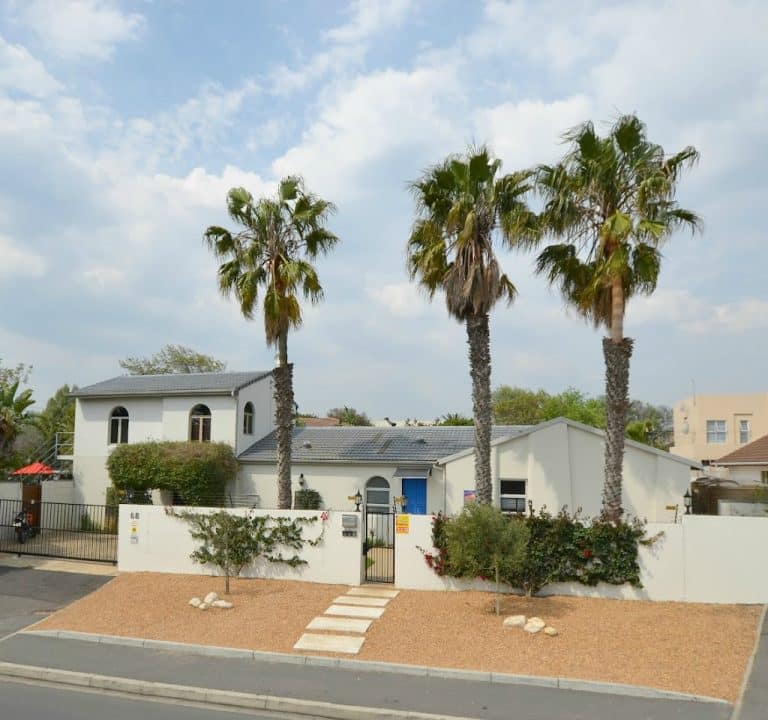
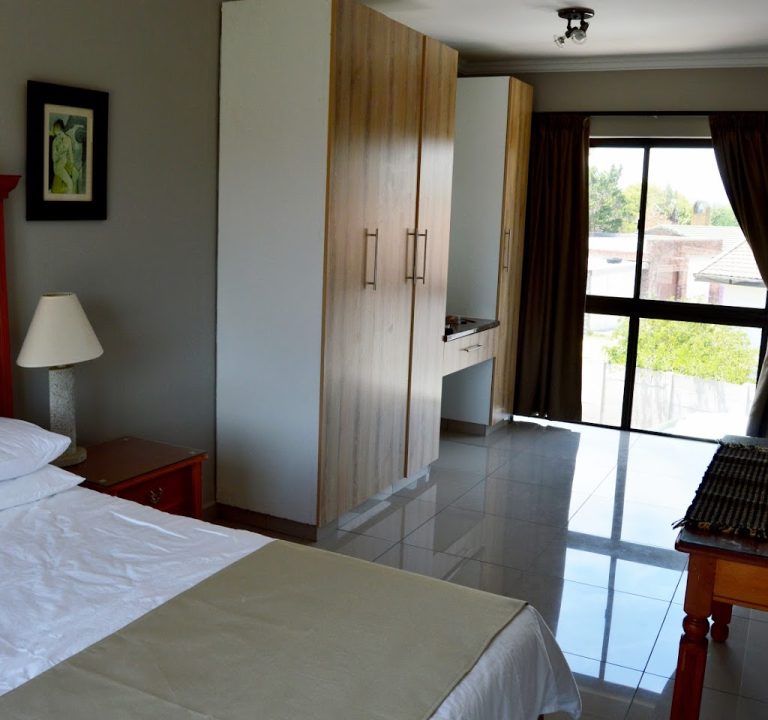
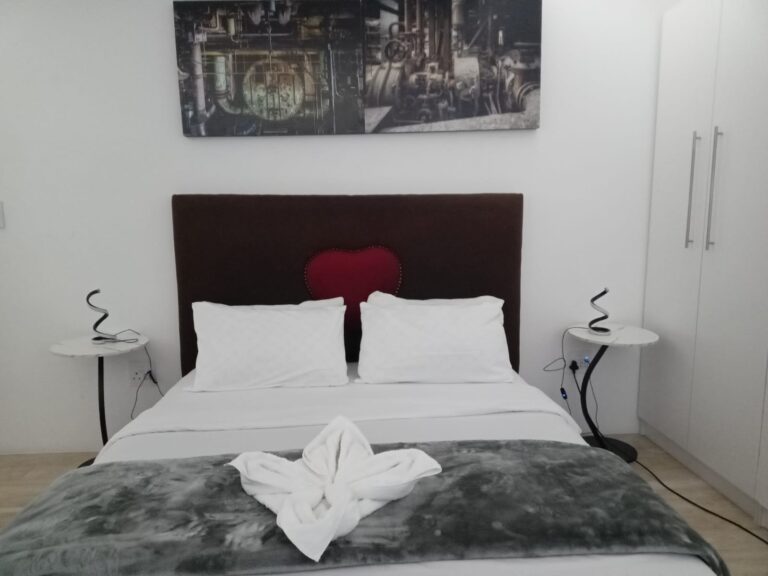
If you’re researching a particular property such as Adilo Properties, use the property’s own site to understand what is offered in terms of room configurations, breakfast options, and any curated guest experiences or local recommendations. Combine this with a flexible plan for exploring the city, and you’ll be well placed to enjoy Cape Town’s distinctive blend of nature, culture and hospitality.