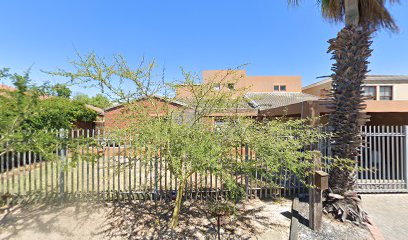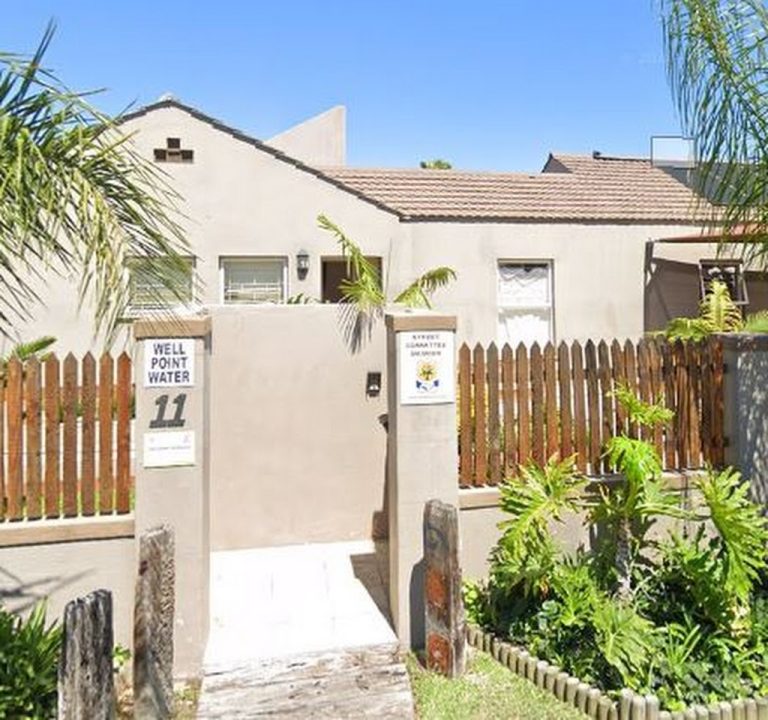
Anahata Self Catering is a Self-catering accommodation establishment in Cape Town, Western Cape, South Africa
About Anahata Self Catering, Cape Town
Anahata Self Catering offers a flexible and independent stay option in Cape Town, Western Cape. Designed for travellers who prefer the comforts of home with the freedom to plan each day at their own pace, this accommodation presents a self-contained base from which to explore one of South Africa’s most remarkable cities. The site's focus aligns with guests seeking a low‑stress, autonomous stay that fits contemporary travel needs, whether those involve a short city break or a longer, more leisurely visit.
From the outset, Anahata Self Catering positions itself as a practical gateway to Cape Town’s highlights. While precise room configurations and on‑site facilities are not enumerated in detail on the available pages, the emphasis remains on self‑catering convenience and autonomously managed stays. This approach tends to appeal to guests who value privacy, the ability to prepare meals, and the flexibility to structure daily routines around personal interests and the rhythm of travel itself.
As a traveller-friendly option, the property is well suited to a range of visitors. Couples seeking a cosy, independent retreat, families looking for a self‑contained space, or solo explorers who appreciate the comfort of having a private kitchen and living area may find Anahata Self Catering a suitable match. The self‑catering model tends to foster a sense of control over lodging arrangements, evening meals, and downtime between outings, which can be especially appealing for longer stays or itineraries that weave in outdoor adventures and urban discoveries alike.
Accommodation style at Anahata Self Catering is described in broad terms as self-contained lodging within Cape Town. While granular details about bed configurations, room types, or specific interior design elements are not publicly stated in the accessible content, the property’s essence centres on providing a home‑away‑from‑home experience. Guests can anticipate a convenient home base that supports independent living during a stay in the Mother City, with the added benefit of a dedicated space to relax after days spent exploring the region.
Amenities on offer are framed around the benefits of self‑catering and private, self‑sufficient accommodation. The absence of explicit facility lists means potential guests should rely on the official site for the most accurate information about what is provided on arrival. The likely strengths of such a setup include a private kitchen or kitchenette, a comfortable living area, and shared or private access to living spaces designed for ease of use and privacy. For travellers who value the chance to prepare meals, wash their own clothes, or simply enjoy evenings in a familiar environment, a self‑catering option can be particularly advantageous.
When considering who Anahata Self Catering is best for, the emphasis on independence and flexibility suggests suitability for guests who prefer to curate their own daily schedules. This includes those who enjoy street‑level exploration, local dining at their own pace, and the freedom to tailor days to weather, events, or personal interests. The property’s self‑catering nature can be especially appealing to families, groups of friends, or couples seeking a quiet, private retreat with the convenience of home comforts during a South African city break.
Nearby highlights in Cape Town are a compelling reason to choose a self‑catering stay. While the exact attractions closest to Anahata Self Catering are not itemised on the site, Cape Town offers renowned natural beauty, historic sites, and vibrant districts. Potential guests might plan visits to iconic viewpoints, beaches, and parks, as well as cultural and culinary experiences that showcase the city’s diverse offerings. Staying in a self‑contained unit provides the advantage of returning to a personal space after exhilarating days of discovery, with the option to prepare meals, recap travel plans, or simply unwind in privacy.
Booking and travel tips for potential guests include consulting the official website for the most current information regarding availability, rates, and any policy details. Since the site focuses on a self‑catering experience, travellers are encouraged to bring essentials that support independent living, such as groceries, basic household items, and any specific equipment needed for longer stays. For those seeking local colour, planning a mix of self‑guided mornings and guided experiences can help balance the freedom of self‑catering with opportunities to encounter Cape Town’s unique communities, landscapes, and cuisines.
For anyone considering a stay at Anahata Self Catering, the official website remains the primary route for learning about bookings and direct arrangements. Visitors can explore the property’s offering through the site’s pages and access further details via the linked site. The combination of a self‑catering framework, a traveller‑friendly approach, and a Cape Town base provides a practical option for guests prioritising privacy, flexibility, and a home‑like environment during a Western Cape visit. More information is available at the property’s official site: Anahata Self Catering.
- Travel tip: consider pairing a self‑catering stay with guided or self‑guided explorations of Cape Town’s diverse neighbourhoods to maximise evenings back at the accommodation.
- Booking tip: check the official site for the latest availability and policies to ensure the stay aligns with travel dates and personal requirements.
- Experience tip: a private, home‑style space offers the best opportunity to unwind after days spent enjoying outdoor scenery, city culture, and nearby appraisals of the Western Cape.
Cape Town
Western Cape
7441
South Africa


Cape Town: A Practical Guide to Accommodation, Local Attractions and Dining
Cape Town, perched beneath Table Mountain and fringed by the Atlantic coastline, offers a diverse range of places to stay and experience. Whether you are seeking a stylish city-centre apartment, a rugged coastal lodge, or a serene self-catering retreat, planning your stay carefully can unlock the best of the Western Cape. The city is easy to navigate, with a mix of neighbourhoods that suit different travellers, budgets and interests.
Areas to consider for your stay include the V&A Waterfront and the central city for those who want convenient access to museums, galleries, dining and nightlife. If you prefer sweeping sea views and a village-like atmosphere, the Atlantic Seaboard and Clifton or Camps Bay offer stylish flats and boutique hotels close to beaches. For a family-friendly base with easy access to parks and a calmer vibe, the neighbourhoods around Kirstenbosch, Newlands or Constantia are excellent choices. If you’re after a more affordable, community-focused stay with direct access to the harbour and historic streets, the Bo-Kaap and Gardens districts are worth exploring.
Booking considerations are best guided by what you plan to do each day. Look for self-catering apartments or guesthouses that offer flexible check-in, well-equipped kitchens, reliable wi-fi and secure parking if you will hire a car. For shorter stays, serviced apartments and boutique hotels with a compact kitchenette can be ideal. For longer stays, a self-contained unit with separate bedroom and living space helps you feel at home while exploring the city.
Typical amenities across Cape Town’s accommodation spectrum include: ensuite bathrooms, daily housekeeping or mid-stay cleans, comfortable bedding, a fully equipped kitchen or kitchenette, and access to shared lounges or outdoor spaces. Many properties also provide essentials such as fresh towels, robes, complimentary tea and coffee, and guidance from hosts on local experiences. If you are travelling with family or a group, look for properties with a private entrance, a spacious living area and off-street parking, which can make days and evenings more relaxed.
Transport in Cape Town is best planned in advance. A car provides maximum freedom, especially for accessing the Constantia wine route, the Cape Point day trip or scenic coastal drives along Chapman's Peak. If you prefer not to drive, utilise MyCiTi bus routes and select locations that are within walkable distance to the city’s main sights or near reputable taxi and rideshare options. For coastal areas, consider access to beaches, promenades and bicycle-friendly paths, which can be a delight during calmer mornings or late afternoons.
Best time to visit Cape Town varies with the seasons. Spring (September to November) and autumn (March to May) offer pleasant temperatures and fewer crowds, making it an excellent time for sightseeing and outdoor dining. Summer (December to February) brings lively beaches and a bustling harbour, ideal for longer daylight hours but can be busy. Winter (June to August) is mild but may bring occasional rain; it is a good time for indoor cultural experiences and markets.
Practical tips for a smooth stay in Cape Town:
- Book early in peak seasons, especially if you want a sea-view apartment or a central location close to attractions.
- Check the kitchen layout and facilities if you plan to self-cater, including oven, hob, microwave, fridge space and dishware for the number of guests.
- Confirm parking arrangements and access to public transport, as some areas have limited street parking or require permits.
- Ask about security features such as gated access, 24-hour reception, or secure entry systems, particularly if you are staying in busy central districts.
- Read guest reviews focusing on light levels, noise, and proximity to shops and restaurants to align with your plans.
One notable option for travellers seeking a self-catering stay is Anahata Self Catering, a well-regarded choice that combines comfortable accommodation with a sense of home. Anahata’s approach emphasises privacy and practical living spaces, making it suitable for families, colleagues on a working trip, or visitors seeking a relaxed base from which to explore the peninsula. Further information can be found on their website at Anahata Stay.
Local attractions offer a broad spectrum of experiences. Iconic natural landscapes such as Table Mountain and the surrounding reserves provide hiking, cable-car rides and panoramic views. The coastline features accessible beaches, scenic drives, and water-based activities. Cultural experiences include museums and historic districts that illuminate Cape Town’s diverse heritage. For dining, Cape Town’s restaurant scene spans contemporary South African cuisine, seafood along the coast, and vibrant eateries in the city bowl. Many venues prioritise seasonal, locally sourced ingredients and offer both casual and refined dining options, often with outstanding views or lively social atmospheres.
When planning your daily agenda, balance outdoor adventures with opportunities to unwind in leafy gardens or along the coast. A typical day might begin with a sunrise walk or a cable-car ascent to admire the city from above, followed by a late brunch or lunch at a restaurant with harbour views. Afternoons are ideal for museums, markets or a wine-tasting trip a short drive away, and evenings can be spent exploring vibrant streets with a mix of casual bistros and fine dining venues. Cape Town rewards travellers who slow down to savour the scenery, flavours, and hospitality that characterise this remarkable corner of the Western Cape.
Sorry, no records were found. Please adjust your search criteria and try again.
Sorry, unable to load the Maps API.
Why Claim Your Listing?
Claiming your listing on the B&B Finder directory website is a valuable opportunity for business owners. Here are five reasons why you should consider claiming your listings:
Control Over Business Information: By claiming their listing, business owners can ensure that all the information presented is accurate and up-to-date. This includes details such as contact information, address, pricing, and available services or amenities. Accurate information helps prevent customer confusion and improves overall satisfaction.
Enhance the Listing: Once a listing is claimed, owners can enhance it by adding more comprehensive information and rich media, like high-quality photos and videos. These additions can make the listing more attractive and engaging to potential customers, thereby increasing the likelihood of bookings.
Marketing Opportunities: Claiming a listing can also open up additional marketing opportunities. Owners may be able to participate in promotional campaigns, special offers, and other marketing activities organized by the directory. This can increase visibility and attract more customers to the business.