Marine Paradise: Accommodation and Things to Do in Jeffreys Bay, Eastern Cape
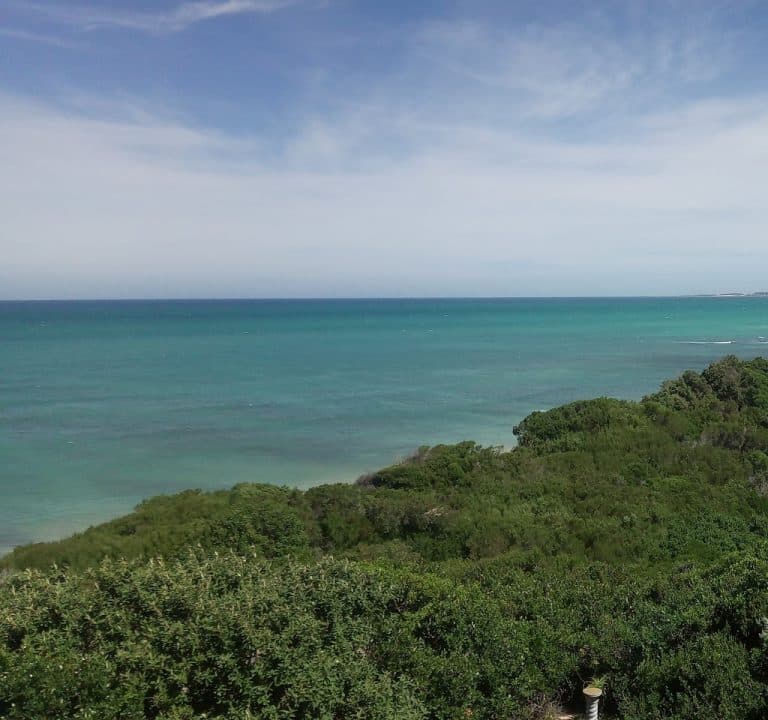
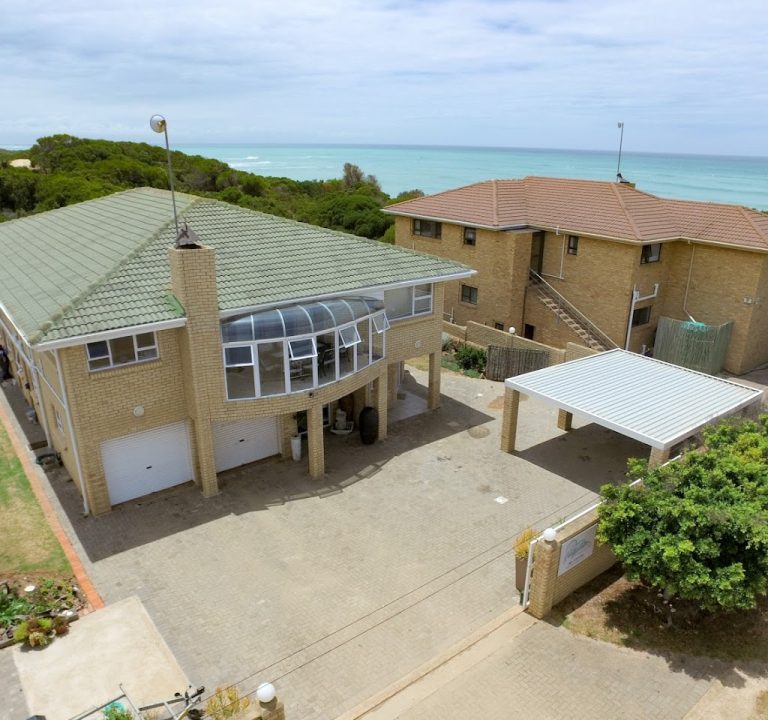
Jeffreys Bay, on South Africa’s Eastern Cape coast, combines laid‑back seaside charm with excellent waves, making it a favourite with surfers and holidaymakers alike. For visitors seeking a comfortable home base, Marine Paradise, a guest house in this coastal town, exemplifies how stay‑above‑board hospitality can enhance a seaside escape. When planning your stay, think about a neighbourhood that matches your pace: quiet mornings by the beach, convenient access to restaurants, or a location close to the town centre for easy strolls and casual evenings.
Areas to consider include the beachfront belt, where rising sun and sea views define the day, and the more intimate residential pockets inland, which offer a calmer mood and lower traffic. If you want easy beach access and the iconic morning surf, look for accommodation within walking distance of the main Jeffreys Bay beaches or near the principal village lanes lined with cafés and shops. Paradise Beach and Aston Bay are popular options for visitors who enjoy a relaxed, family‑friendly atmosphere with quick links to water sports and trails, while central Jeffreys Bay keeps shops and eateries within a short drive or bicycle ride.
When you’re choosing a place to stay, consider several practical factors. Proximity to the beach and to the town’s amenities can save time and reduce transport costs, especially if you’re travelling with gear for water sports. Look for guest houses or B&Bs that offer secure parking, uncomplicated self‑check‑in, and a friendly, knowledgeable host who can point you to the best local surf spots, beaches with lifeguards, and family‑friendly activities. A good night’s sleep is essential after a day in the sun, so check room layouts, soundproofing, and air‑conditioning or fans for those warmer evenings. If you’re travelling with children or friends, suites with separate living areas or family rooms can be particularly convenient.
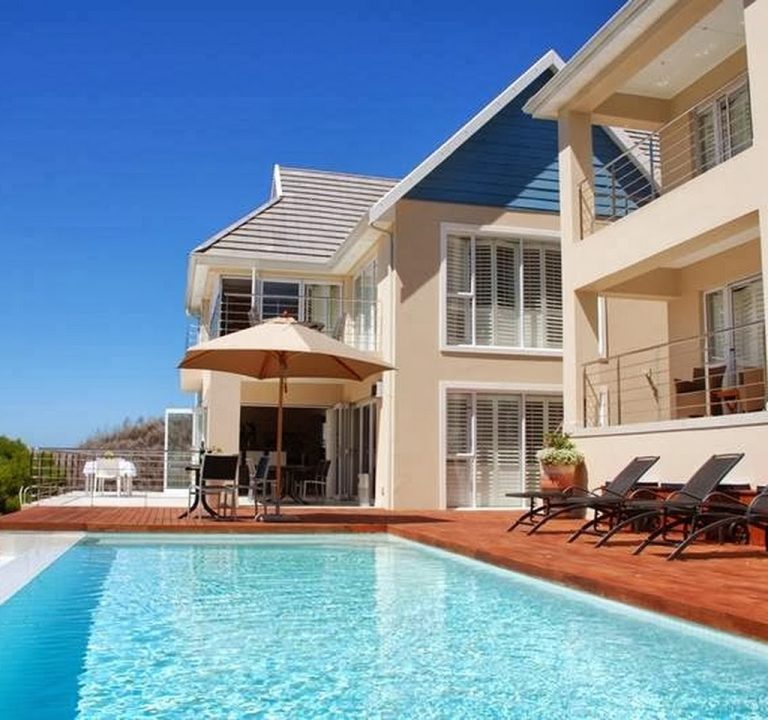
Typical amenities to expect in well‑run guest houses in Jeffreys Bay include inclusive breakfast options, free Wi‑Fi, private or en‑suite bathrooms, comfortable beds with quality linen, and outdoor spaces such as patios or balconies with sea or garden views. Some establishments offer guest laundry facilities, communal kitchens, or shaded communal areas where travellers can share tips about surf breaks, hiking trails, and local hidden gems. If you’re after a more self‑contained stay, look for self‑catering apartments or rooms with access to a kitchen. For longer visits, a couple of nights’ flexible cancellation can be a wise choice, given the coastal weather can influence beach plans and surf conditions.
Transport around Jeffreys Bay is straightforward but planning ahead helps. A car is convenient for accessing different beaches and scenic viewpoints, especially if you want to explore neighbouring towns or the wider Garden Route region. Local buses and taxi services are available, though peak surf seasons can bring busier streets. If you arrive by air, the closest major international gateway is Gqeberha (formerly Port Elizabeth), from which it’s about an hour’s drive to Jeffreys Bay. Budget travellers sometimes hire a car or join a transfer service aligned with their flight times. If you prefer not to drive, check whether your accommodation can arrange trusted local transport or offer guided day trips to nearby attractions.
The best time to visit Jeffreys Bay depends on your priorities. The town is lively in the southern hemisphere summer (roughly November to February), when beach days are long and water warms up. Winter months (June to August) are cooler and often quieter, with Atlantic swells attracting surfers and a different, more introspective mood for coastal walks and wine‑tasting day trips in the wider region. Shoulder seasons can offer good value and comfortable outdoor conditions for activities such as hiking, birdwatching, and relaxed beach days without peak crowds.
Beyond the beach, activities and experiences in Jeffreys Bay are broadly accessible and designed to suit a range of tastes. You’ll typically find opportunities for surfing lessons or board rental, nature walks along coastal trails, and visits to nearby reserves or viewpoints where you can watch for seabirds and marine life. Dining options range from casual cafés to family‑friendly eateries and more refined venues; most places focus on fresh seafood and regional produce, with menus offering straightforward, unfussy dishes that highlight the coast’s flavours. For a relaxed evening, many visitors enjoy strolling along the village lanes after a day on the shore, followed by a sundowner at a terrace with ocean views.
Practical tips to help you plan your visit:
- Book a well‑located base with easy beach access and parking if you plan to drive.
- Check room configurations and whether the rate includes breakfast or kitchen access.
- Ask hosts for local recommendations on surf spots, family beaches, and scenic walks.
- Pack versatile clothing for warm days and cooler coastal evenings; a light rain jacket can be handy in the wetter months.
- Consider travel insurance that covers outdoor activities and potential changes in surf conditions.
Whether you prioritise a sunrise surf, a relaxed family holiday, or a laid‑back coastal escape, Jeffreys Bay offers a welcoming base with a choice of guest houses and small hotels that suit a variety of itineraries. Marine Paradise stands as a representative example of the type of accommodation that combines home‑from‑home comfort with proximity to the ocean and local conveniences. For more information on current listings and planning tips, you can explore regional tourism pages and coastal‑lifestyle guides that cover Jeffreys Bay and the surrounding coastline.