Cape Town: Accommodation options and practical planning for a memorable stay
Capitals and coastlines meet in Cape Town, a city built on a dramatic setting where mountains, sea and city streets intertwine. For most visitors, choosing the right place to stay helps shape the pace and texture of the trip. Self‑catering options, guesthouses, boutique hotels and larger lodges span a range of neighbourhoods, from lively urban hubs to tranquil seaside pockets. When planning a stay, consider what you want to experience most, how you will move around, and how much space and flexibility you need to feel at home while you explore this diverse region.
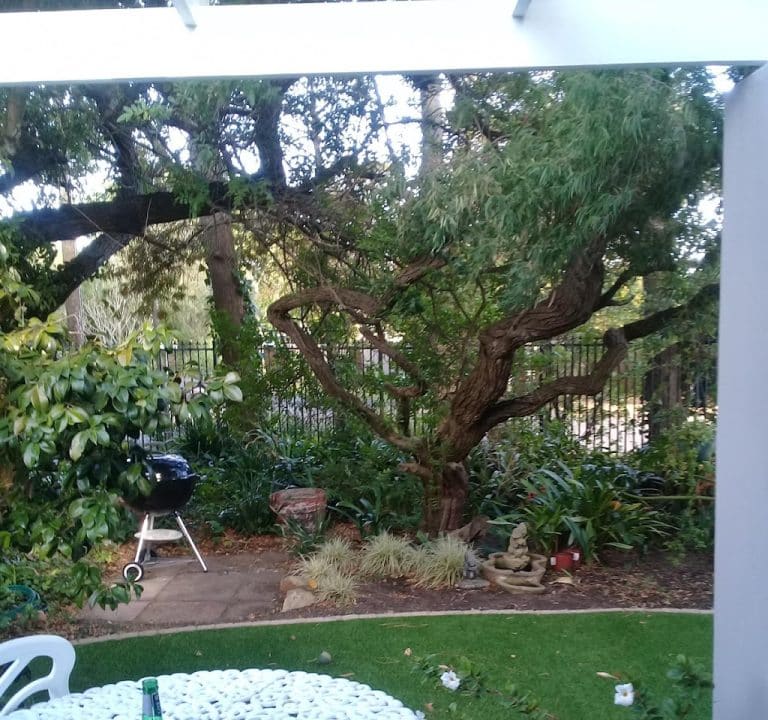
Common neighbourhoods offer distinct rhythms. The City Centre and the Grassroots and De Waterkant areas provide easy access to museums, historic sites and a buzzing dining scene. The Atlantic Seaboard—including Sea Point, Bantry Bay and Camps Bay—delivers dramatic sea views and a relaxed beach vibe, with cafes and walks along the promenade. For wine lovers and peace seekers, Constantia and the nearby Constantia Valley offer leafy estates and self‑catering cottages or guesthouses with quiet gardens. For those seeking creative energy and city culture, neighbourhoods like Woodstock and the broader urban fringe present characterful stays with a sense of discovery. Consider proximity to Table Mountain, the V&A Waterfront and the MyCiTi bus routes when evaluating options.
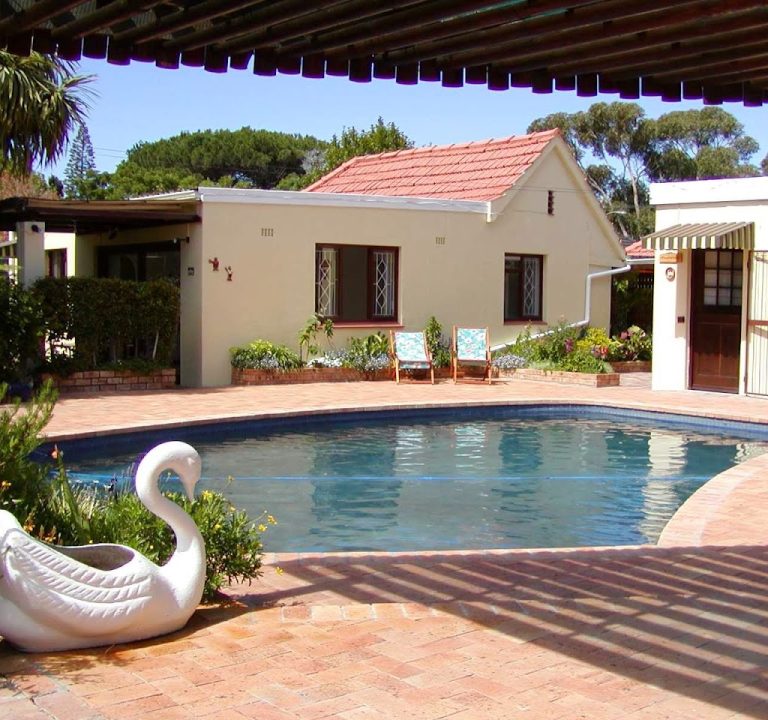
When selecting accommodation, look for features that suit your plans. A self‑catering option such as a cottage or apartment can be especially convenient for families or longer stays, offering kitchens, separate bedrooms and the flexibility to dine in after a day’s sightseeing. For others, a guesthouse or boutique hotel with breakfast included may be preferable if you want a place to rest your head and have a plan for daily explorations without the daily meal prep. Typical amenities include reliable Wi‑Fi, on‑site parking or easy access to public transport, laundry facilities, and guest services such as reception hours or guided activity recommendations. If you are travelling with children, check for family rooms, safety features and quiet hours. For travellers with mobility needs, ensure lifts, ramps or accessible rooms are available where required.
Transport in Cape Town is part of the adventure. The MyCiTi bus system is a practical way to traverse the city and reach popular sights, while the cheaper, scenic routes and hop‑on options can help you tailor days around the weather. Budget‑friendly car hire or ride‑hailing apps are convenient for trips to the Cape Winelands, the Cape Point nature reserve, or the Hout Bay beaches. If you prefer to explore with a guide, look for accommodation that can arrange local tours or provide trusted recommendations for day trips. A base near main transit corridors often reduces driving time and simplifies evening plans, particularly when you want to enjoy fine dining or live music without worrying about parking late at night.
The best time to visit Cape Town depends on what you want from the trip. The summer months (roughly December to February) bring longer days, beach life and outdoor activities, but also higher occupancy throughout the city. Spring (September to November) and autumn (March to May) offer pleasant weather with fewer crowds and great conditions for outdoor exploration, including trails on Table Mountain and coastal walks. Winter (June to August) brings cooler, milder days and the possibility of rain, which can be ideal for visiting museums, markets and the nearby winelands with fewer people around. Pack layers to adapt to rapidly changing mountain and sea breezes, and always be prepared for sudden changes in weather on the plateau and coastal areas.
Practical planning tips to smooth your stay:
- Book early if visiting during peak seasons or around major events, and compare options across different neighbourhoods to balance budget, pace and scenery.
- Assess safety and access: some areas are vibrant and energetic by day and quiet at night. Choose accommodation with solid security and clear guidance on safe routes to dining and attractions.
- Check kitchen facilities if you intend to self‑cater, and confirm whether essential amenities like a washing machine, stove or microwave are included.
- Consider the sun’s position and shade when selecting a sea‑view or hillside property; mornings and late afternoons can be brilliant for photography and walking routes, while mid‑day heat may encourage indoor or coastal activities.
- Plan a mix of iconic sights and local discoveries: a hallmark of Cape Town is the balance between nature and culture—think a cable‑car or hiking excursion on Table Mountain, a stroll along the V&A Waterfront, and a day trip to the Cape Winelands or Kirstenbosch National Botanical Garden.
- Make restaurant choices with flexibility in mind; Cape Town’s dining scene ranges from casual cafés to refined eateries, often with seasonal menus that highlight fresh, local produce.
For a well‑rounded stay, coordinate your accommodation with visits to standout attractions and experiences. General highlights include panoramic coastal views from signal points and coastal trails, historic neighbourhoods with colourful houses, and markets where you can sample regional foods and crafts. In terms of dining, look for places that showcase regional flavours, seafood options, and farm‑to‑table ingredients—places that feel welcoming, offer relaxed atmospheres, and provide options for different dietary preferences.
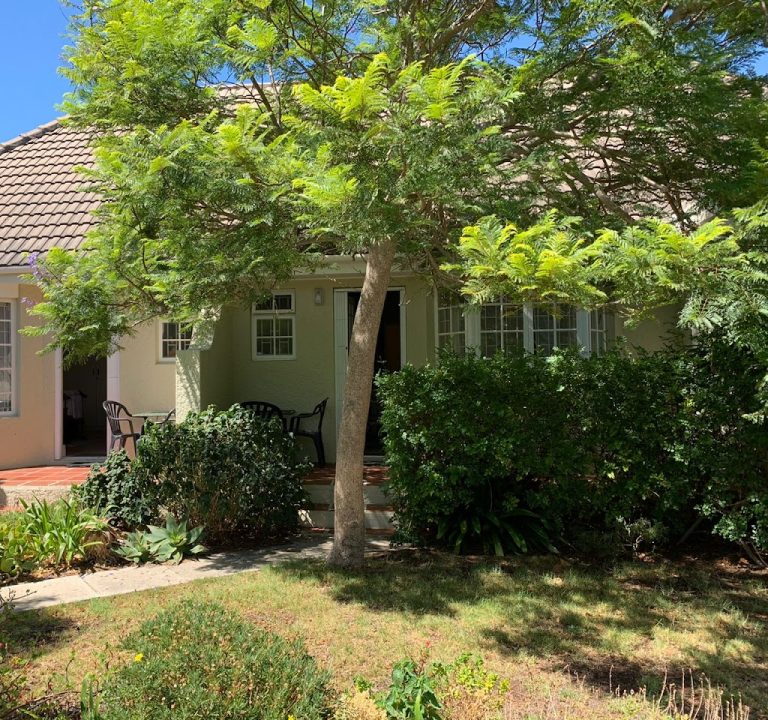
If you are seeking planning resources, Cape Town’s tourism portal offers practical guidance on areas to consider, suggested itineraries and practical travel tips. A well‑located base can help you maximise your time, whether your stay is a short city break or a longer, self‑catered retreat at a property such as Maple Cottage. Visiting Cape Town is a blend of mountain air, sea breeze, vibrant neighbourhoods and quiet retreats, all within easy reach of a wealth of experiences that make this city a lasting favourite for travellers seeking both comfort and discovery.
For more information about Cape Town’s attractions and planning ideas, see the official tourism site: https://www.capetown.travel