Cape Town: Accommodation, attractions and practical planning for a memorable stay
Cape Town offers a diverse range of places to stay, from intimate guest houses to stylish boutique hotels and family‑friendly lodges. When planning your trip, consider which neighbourhood best fits your style and priorities—whether you seek harbour views, a promenade stroll along the coast, or a leafy, university‑area ambience with easy access to museums and markets. A good starting point is to identify a few core needs: comfortable beds, reliable Wi‑Fi, a welcoming common area, and proximity to the activities that most tempt you during your visit.
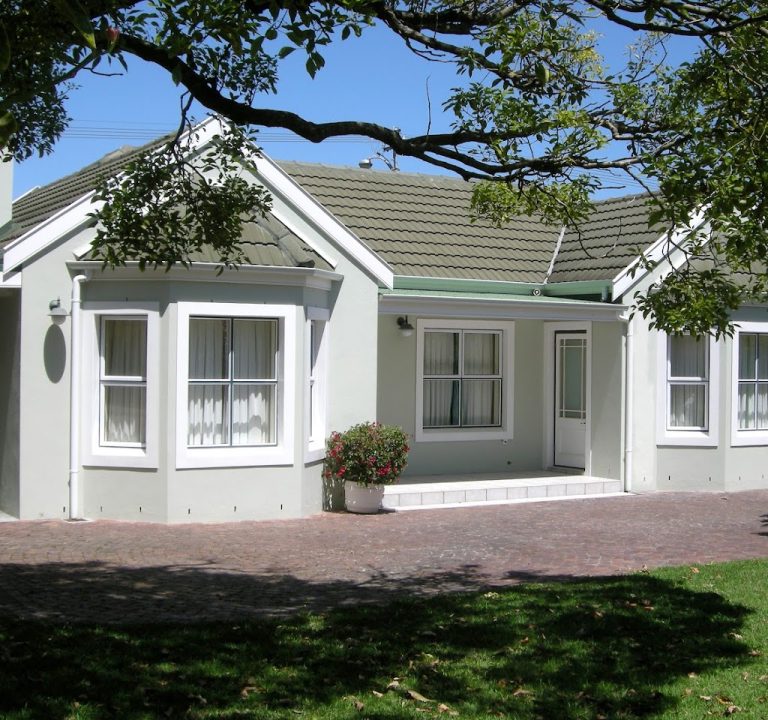
Aloe Cottage, a welcoming guest house in Cape Town, exemplifies the kind of personal hospitality that can define a stay. Guest houses in the city often combine homely charm with helpful travel tips from hosts, who can point you to local eateries, markets and scenic routes that aren’t always found in guidebooks. When you book similar properties, look for clear information about breakfast options, self‑catering facilities, and the availability of lounge spaces or outdoor seating where you can relax after a day of sightseeing.
Areas to consider for your stay include the following, each offering a different rhythm and access to sights:
- Central and City Bowl: convenient for museums, theatres, and easy access to dining options; walkable streets and a lively urban vibe.
- V&A Waterfront and the Atlantic Seaboard: harbour and ocean views with a short stroll to waterfront attractions, then quick routes to beaches and scenic drives.
- Green Point and Sea Point: a balance of coastal walks, parks and a wide range of restaurants, with good transport links.
- Constantia and the constantia valley: a greener, hillside setting ideal for longer stays, wine adventures, and tranquil mornings.
- Camps Bay and Clifton: beach‑focused stays with panoramas and stylish dining, best for sunlit days and sunset views.
What to look for when booking follows a practical pattern. Start with location—consider how you will move around: will you rely on taxis or rideshares, or do you prefer having a car? If you plan to explore widely, a place with easy access to major routes and reliable public transport can save time. Check the host or property description for transport tips, parking details, and whether the accommodation is near MyCiTi bus stops or train stations. For families or groups, look for rooms or suites with separate living spaces, a kitchenette, and secure access. If you are a light sleeper, read room descriptions for soundproofing and the presence of air conditioning or ceiling fans appropriate to the season.
Typical amenities you may encounter include a comfortable bed with quality linens, daily housekeeping or flexible cleaning schedules, of‑street parking or secure parking facilities, free Wi‑Fi, and a welcoming breakfast service or kitchen access for self‑catering. Many guest houses in Cape Town offer cosy outdoor spaces—rooftop decks, patios or garden areas—that become focal points for morning coffees or evening sundowners. Some properties provide curated recommendations for day trips, like coastal drives, township tours, or nature reserves, which can be a helpful shortcut when planning a packed itinerary.
Best time to visit Cape Town can hinge on the activities you want to enjoy. The summer months (December to February) bring warm days ideal for beaches and outdoor markets, while spring (September to November) and autumn (March to May) offer comfortable temperatures and fewer crowds. Winter (June to August) is cooler and wetter, but still an opportunity to enjoy museums, galleries and indoor cafés. If you are exploring wine country or hiking, book your accommodation with flexible cancellation policies to adapt to changing weather conditions or extended stay plans.
Practical planning tips to keep your trip smooth:
- Book a property with clear, generous cancellation terms and a detailed description of facilities and access times.
- Ask about breakfast arrangements, secure storage for valuables, and late‑arrival policies if your flight or ferry schedule is non‑standard.
- Check the property’s proximity to your preferred attractions and dining areas, and whether they offer transport assistance or recommendations.
- Look for travel resources in the area, such as local markets, street food hotspots, and casual eateries that suit a range of budgets.
- Plan a flexible day‑by‑day route that balances iconic sights with downtime to enjoy a café or the hotel terrace.
After you settle on a place to stay, cap your planning with a light itinerary that blends must‑see attractions with quiet moments by the sea or in mountain parks. Cape Town’s natural beauty and cultural richness reward travellers who pace themselves and allow room for discoveries. When you book accommodations such as Aloe Cottage or similar guest houses, you gain not only a place to rest but often a local perspective on how best to experience the city’s coastline, gardens, markets and eateries. For inspiration and practical planning tips, reputable travel resources and regional tourism sites can provide current highlights and seasonal recommendations. Consider visiting general guides online to tailor your trip to your interests and the time you have available. For more information about Cape Town’s coastline, markets, and experiences, you can explore trusted tourism portals and visitor guides at https://www.capetown.travel.
With thoughtful selection of where you stay, coupled with an adaptable plan, Cape Town offers a rich tapestry of scenery, cuisine and culture that can be enjoyed at a comfortable pace. Whether you seek a peaceful hillside retreat or a vibrant waterfront base, the city invites you to explore and return with lasting memories of its hospitality and landscapes.