Cape Town: Where to Stay and How to Plan Your Visit
Cape Town offers a diverse canvas of accommodation, from boutique guesthouses and self‑catering flats to stylish hotels and family-friendly lodges. When planning a stay, it helps to think about what you want to experience first: iconic scenery, easy access to beaches, easy hops to dining, or a quieter base from which to explore winelands and coastal drives. Consider a mix of neighbourhoods if your itinerary spans city sights, nature, and coastal scenery. For example, the City Bowl and the V&A Waterfront area provide convenience for city strolls and easy restaurant options, while the Atlantic Seaboard and Camps Bay offer sea views and sunset scenery within short drives of central attractions.
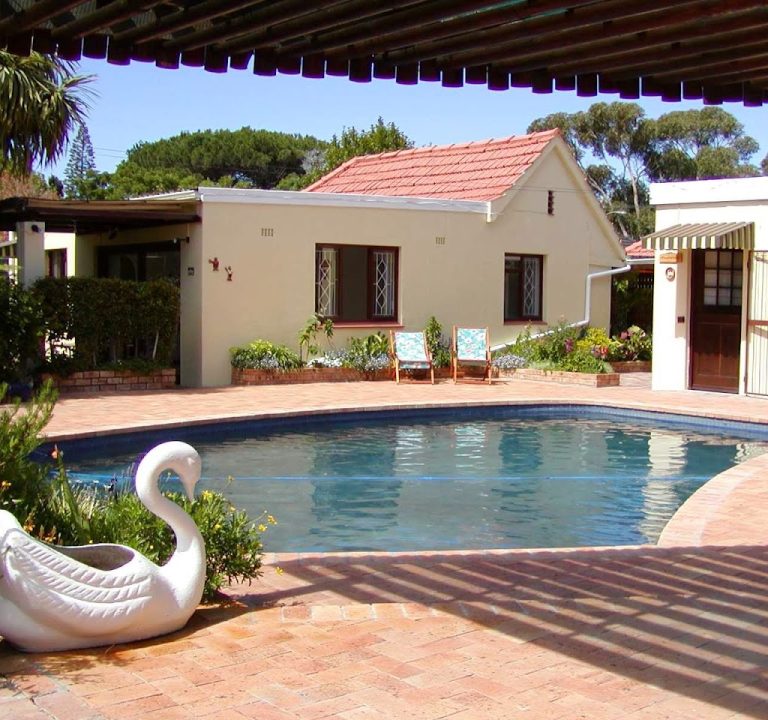
One appeal of Cape Town is that many accommodation types sit comfortably within scenic districts, yet remain well connected to routes that link to the rest of the Western Cape. Butterfly Place, a self‑catering option, demonstrates the appeal of furnished apartments that feel like a home away from home. Self‑catering units can be ideal for flexible meal plans, longer stays, and family trips, especially when you want to blend lazy mornings with day trips to nearby beaches and parks.
What to look for when booking:
- Location and access: Proximity to MyCiTi bus routes or trains can simplify travel, especially if you plan to explore the Cape Town suburbs or day‑trips to Constantia, Cape Point, or Stellenbosch.
- Safety and parking: Check security features, neighbourhood safety, and whether the property offers private parking or secure parking facilities if you plan to hire a car.
- Amenities: Decide whether you need a fully equipped kitchen, on‑site laundry, Wi‑Fi, daily housekeeping, or a pool. For longer visits, a kitchen and laundry can be particularly valuable.
- Room layout and family suitability: If travelling with children or groups, look for multiple bedrooms, separate living spaces, and child‑friendly facilities.
- Flexibility: Confirm cancellation policies and whether the host offers local tips or guided experiences, which can be helpful for first‑time visitors.
Typical amenities you may encounter include practical kitchen equipment (fridge, hob, oven, microwave), coffee and tea provisions, towels and basic toiletries, air‑conditioning or fans, and reliable mobile data access. In boutique or guesthouse settings, you might also find breakfast options, lounge areas, and curated local recommendations. For self‑catering stays, ensure the kitchen is well equipped for your usual routines, whether you prefer casual breakfasts before day trips or relaxed dinners at home after a day of exploration.
Transport tips: Cape Town’s geography makes a car a convenient option for many travellers, particularly if you plan to visit the Cape Point coastline, Constantia wine routes, or museums outside the central city. If you don’t want to drive, consider staying near a MyCiTi hub or in areas well served by public transport. An easy approach is to base yourself for a few nights in the City Bowl or the V&A Waterfront, then dedicate day trips to areas with scenic drives or guided tours organised through reputable operators. Remember to budget for rideshares or taxis if you stay in remote pockets of the city or the Peninsula during peak times.
The best time to visit Cape Town largely depends on what you want from the trip. Spring (September to November) brings blooming gardens and milder temperatures, while autumn (March to May) offers pleasant conditions and thinner crowds. Summer (December to February) brings warm days ideal for beaches and outdoor activities but can be busy, particularly around popular sights. Winter (June to August) is cooler and wetter, yet it can be a good time to find quieter accommodation and enjoy the city’s cultural offerings indoors. Layered clothing is wise year‑round, given coastal breezes and microclimates across the region.
Practical planning considerations:
- Book well in advance for peak periods, especially over school holidays and long weekends. Consider splitting stays between a city‑centre base and a coastal or wine‑valley area to reduce daily drives.
- Check the cancellation terms and whether breakfast or self‑catering is included to match your daily routine.
- Ask hosts or property managers about parking arrangements, security features, and access to nearby supermarkets and pharmacies.
- Plan restaurant outings with an eye to distance and the possibility of busy evenings—the city offers a broad range of cuisines, from casual eateries to fine dining, many located near popular sights or along the Atlantic Seaboard.
- Pack for changing conditions: even in summer, coastal winds can be brisk, and evenings by the coast may feel cooler than the daytime forecast.
Around the city, you will find a rich tapestry of experiences that can complement your stay. Iconic natural landmarks such as Table Mountain and coastal viewpoints offer dramatic photo opportunities, while nearby nature reserves and beaches invite tranquil afternoons. In addition to scenic outings, the city hosts diverse dining districts—from bustling markets and casual cafés to stylish restaurants offering contemporary South African and international flavours. For those who enjoy introspective travel, public gardens, historic neighbourhoods, and museum spaces provide reflective visits that pair well with comfortable evenings in well‑appointed accommodation.
For more information and ideas to tailor your stay, consult official tourism resources and trusted travel guides. Useful sources often feature practical planning tips, seasonal event calendars, and suggested itineraries that highlight both well‑known highlights and quieter, local favourites. Cape Town’s official tourism site offers broad guidance on areas to consider, what to expect in different districts, and practical advice for getting around and enjoying restaurant and activity options during your stay.