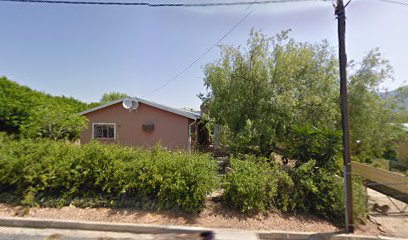
Discover Tulbagh: Accommodation, Attractions and Local Flavours
Tulbagh, tucked in the scenic Worcester basin of the Western Cape, offers a compact, walkable centre surrounded by rolling valleys and vineyards. A stay here works well for travellers who want a photogenic town with a relaxed pace, easy access to nature, and a gentle introduction to the winelands. From historic cottages to modern boutique inns and rustic farm stays, Tulbagh presents a range of options that suit couples, families and friends who are exploring on a Southern African road trip.
When planning where to stay, consider which part of town will best match your plans. The town centre is ideal for those who want to step out and explore heritage architecture, bakeries, and wine-tasting rooms with minimal travel. If a quieter atmosphere appeals, look for accommodation on the outskirts where views of vineyards and countryside dominate. For families, mid-range guesthouses with self-catering facilities or apartment-style rooms can provide flexibility for meal times and downtime after day trips.
What to look for when you book
- Access to off-street parking, which makes day trips to nearby farms and nature reserves easier.
- Self-contained rooms or kitchen facilities if you prefer to organise some meals yourself.
- A comfortable living area and reliable heating or cooling, as temperatures in the Cape can vary with the seasons.
- On-site or nearby wine experiences, bakeries, or cafés so you can enjoy local flavours without travelling far.
- A friendly host or staff who can share local tips on routes, markets and seasonal events.
- Proximity to the town centre for easy strolls to galleries, churches and historic buildings.
Typical amenities and what they mean for your stay
- Ensuite bathrooms and good-quality linens for comfort after long days of exploring.
- Free, reliable Wi‑Fi, essential for planning day trips, checking weather, and sharing travel snaps.
- Breakfast options, whether continental spreads or cooked offerings, often showcasing local produce.
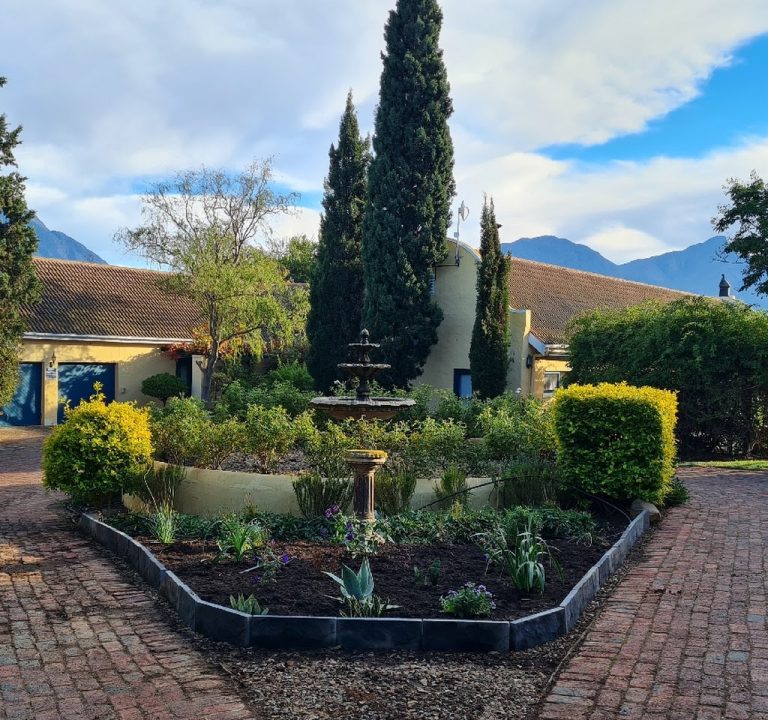
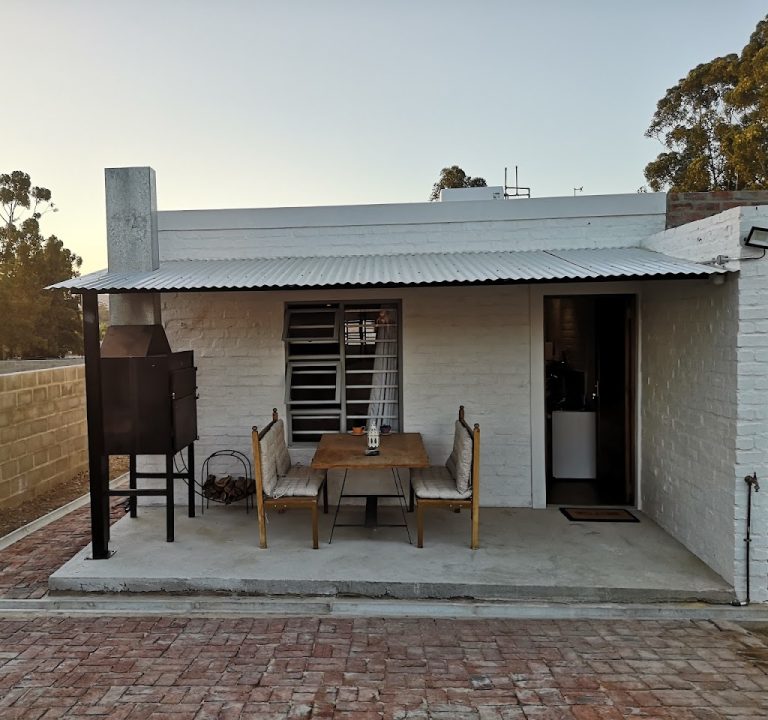
- Outdoor spaces such as verandas, gardens or courtyards where you can enjoy morning coffee or an evening sunset.
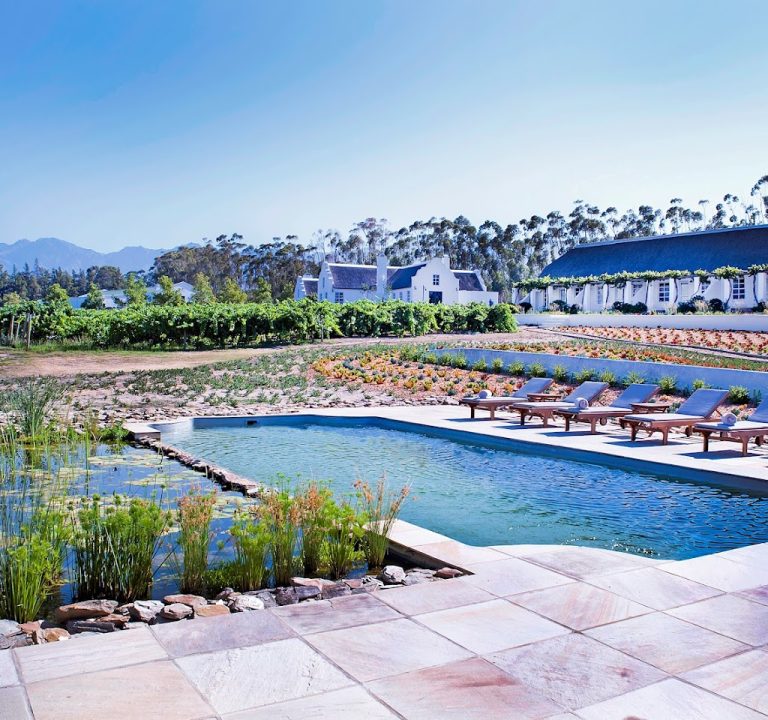
- Pool or garden seating for a relaxed afternoon, particularly useful in warmer months.
- In some properties, guided or self-guided wine-tasting arrangements and information about nearby cellar doors.
Getting around Tulbagh
Tulbagh itself is best explored on foot in the centre, which is compact, safe and well-signed, with a heritage precinct that invites leisurely strolls. For vineyard visits, farm stays or day trips to surrounding towns, having access to a car is useful. Alternatively, arrange a local driver or join a small shuttle or tour that focuses on the winelands and rural scenery. If you are renting a vehicle, street parking is often available around the town, with limited spaces in peak periods.
Best time to visit
- Spring (August to November) brings mild weather and blossoming gardens, a good time for outdoor walks and winery visits.
- Summer (December to February) is warm, ideal for vineyard picnics and longer days of activity. Be prepared for the possibility of higher weekend crowds and afternoon heat.
- Autumn (March to May) features cooler evenings and eye-catching autumn colours in the valley, a favourite for those who enjoy photography and wine tourism.
- Winter (June to August) tends to be cooler and can bring crisp, clear days that are perfect for scenic drives and cosy evenings in a rural setting.
What to see and do
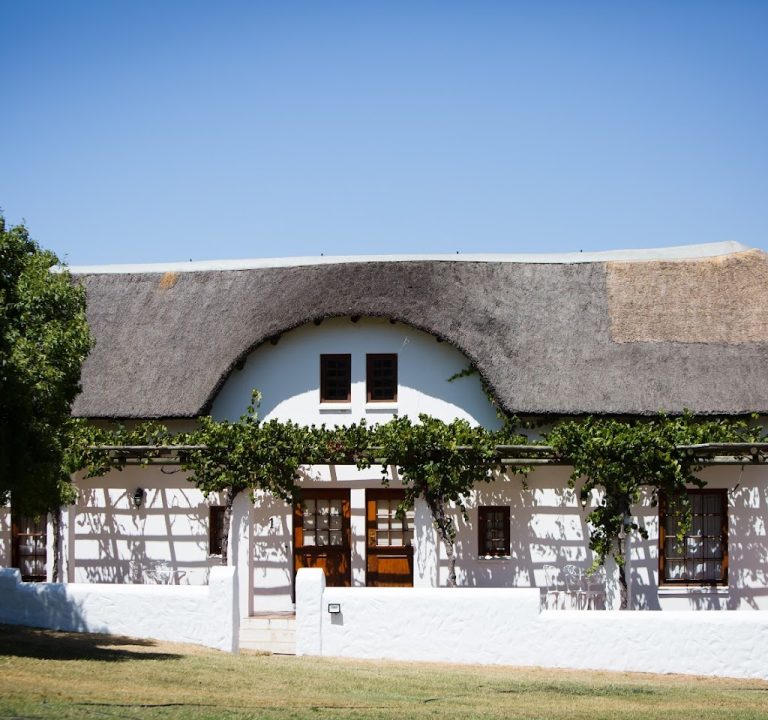
Tulbagh is rich in heritage and outdoor opportunities. The town’s architecture reflects its history, and many streets are lined with well-preserved colonial buildings, giving a sense of place that’s perfect for relaxed exploration. The surrounding countryside offers walking trails, viewpoints over the valley, and opportunities to meet local producers. Nearby wine estates provide tastings and cellar experiences, often paired with seasonal menus or light lunches that showcase regional ingredients. For those seeking culture, there are galleries and local markets where artisans and craftspeople display handmade goods.
One notable aspect of staying around Tulbagh is the chance to visit established family-run vineyards, where conversation with producers can enhance understanding of the region’s terroir. You may also encounter smaller venues that curate informal tastings, bread and cheese boards, and guided walks through fruit orchards or vineyards. If you are drawn to scenic drives, take in the rolling hills and the contrast between vineyards and the surrounding Karoo-like landscapes.
Eating and drinking in the area
- The valley offers several places to sample farm-to-table dishes, light lunches, and sweet treats. Many venues emphasise seasonal produce and local wines, with a friendly, low-pressure atmosphere.
- For a more relaxed evening, look for eateries with quiet courtyards or candlelit dining spaces that pair well with a bottle from a nearby winery.
- If you want to learn about wine history and regional varieties, seek out venues that provide an informal overview of wine-making in the region, alongside tastings that highlight regional styles.
A practical note
If you are curious about local producers and experiences, you can explore the broader Western Cape wine routes with Tulbagh as a comfortable base. You’ll find information about winery websites and guesthouse providers online, including opportunities to discover sustainable farming practices and community initiatives that characterise many family-run estates.
Optional stop: Manley Wine Estate
Situated in the wider winelands area, this winery offers a sense of place within the region’s farming heritage. Their website provides further information on visiting and tasting experiences, which can complement a Tulbagh stay by offering a broader taste of the area’s wine culture. Visit: https://www.manleywineestate.co.za/