Queenstown, Eastern Cape: A Traveller’s Guide to Accommodation and Experiences
Queenstown in the Eastern Cape offers a welcoming base for visitors exploring the region’s natural beauty, cultural heritage and outdoor activities. With a mix of intimate B&Bs, guesthouses and small hotels, the town provides options that suit short breaks, family stays and longer itineraries. When planning a visit, think about the area you want to base yourself in, the pace you prefer, and how you’ll get around to make the most of your time.
Accommodation options and planning your stay
For a personalised stay in Queenstown, consider staying in a bed and breakfast or a guesthouse that emphasises homely hospitality and local insight. These properties often offer breakfast as part of the room rate and can be a convenient way to start each day with a flavour of regional cooking. If you value a more private arrangement, small hotels or boutique inns can provide en-suite rooms, comfortable common areas and recommendations from hosts who know the area well.
Areas to consider when booking
- Town centre or riverside locations: Being close to shops, cafés and museums makes mornings and evenings effortless, and many guesthouses in these areas offer easy access on foot to key attractions.
- Suburban or residential streets: Quieter stays with a more residential feel, often with easy parking and a relaxed ambience. Hosts may provide insights into hidden gems beyond the well-trodden paths.
- Outskirts and countryside surroundings: For a countryside experience, look for properties with larger spaces, garden views and a tranquil pace. You’ll typically need some form of transport to explore beyond the immediate area.
Typical amenities to look for
- En-suite facilities and reliable heating or air conditioning, depending on the season.
- A hearty, locally inspired breakfast and dietary options if required.
- Free Wi-Fi, parking and access to common areas such as a lounge or garden.
- Flexible check-in and check-out, especially if you are arriving late or departing early.
- Honest, practical local tips from hosts about nearby markets, trails and day trips.
Transport and getting around
Queenstown is best enjoyed with a flexible transport plan. If you’re not renting a car, check whether your chosen accommodation offers a shuttle or easy access to taxi services. Public transport in smaller towns can be limited, so a car hire may be the simplest way to explore surrounding towns, viewpoints and nature reserves at your own pace. For day trips, plan routes that consider driving times and the light available for outdoor activities. Many guesthouses and B&Bs will help arrange guided walks, cultural tours or visits to nearby landmarks if you prefer a curated experience.
Best time to visit
- Spring (September to November) and autumn (March to May) are generally pleasant, with mild temperatures and fewer crowds.
- Winter can be cooler, with the possibility of rain, but cosy lodgings, fireside lounges and quiet streets offer a different kind of charm.
- Summer brings longer days and vibrant light for outdoor activities. It’s a popular period, so booking in advance helps secure the best-fit room and location.
What to do: attractions and experiences in general terms
Queenstown serves as a gateway to natural landscapes and historical echoes. Visitors commonly enjoy gentle walks along rivers or through parks, with opportunities to observe regional flora and birds. If you’re interested in cultural heritage, look for visitor centres or museums that can provide context about the town’s development, local communities and traditional crafts. For outdoor enthusiasts, consider day trips to nearby hilltops, reservoirs or nature reserves, where you can enjoy panoramic views, photography and birdsong. Dining in the area tends to emphasise hearty, comforting dishes and fresh, seasonal ingredients, often with a blend of regional and contemporary influences. Rather than focusing on single venues, it’s worth asking hosts or local tourism desks for current recommendations on eateries, markets and casual dining spots that suit your tastes and budget.
Practical tips for planning and staying
- Confirm accessibility in advance: if mobility is a consideration, check room layouts, stair access and proximity to lift facilities.
- Clarify breakfast timing and any dietary needs with your host ahead of arrival.
- Check parking arrangements if you’re driving, including whether there is off-street space or street parking restrictions.
- Reserve popular periods early to ensure preferred room types and locations, especially during school holidays or long weekends.
- Pack for variable weather: evenings can be cooler, even in warmer months, so a light layer is handy.
Optional planning checklist
- Write down the distance from your accommodation to key attractions and plan a logical day-by-day route.
- Note down a couple of lunch and dinner ideas to balance a busy day with downtime at your base.
- Bring a small notebook or digital device to capture recommendations from hosts and fellow travellers.
- Leave space in your itinerary for spontaneity, whether it’s a short nature ramble or a relaxed afternoon in a café.
A note on staying at Mangwane Nama Qwathi and similar properties
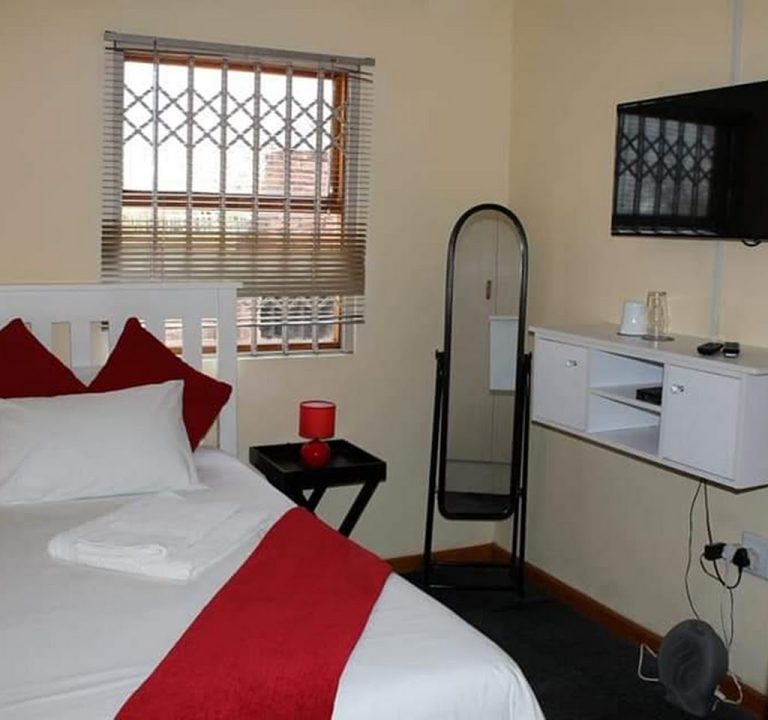
If you are considering a stay in a B&B such as Mangwane Nama Qwathi or other small guesthouses, you can expect a personalised approach to hospitality that highlights regional character. These properties often prioritise comfort, thoughtful touches and useful local guidance. While every establishment has its own style, you can anticipate a warm welcome, a clean, comfortable room and the opportunity to experience a flavour of life in Queenstown that resonates beyond the standard hotel stay.
In summary, Queenstown offers a friendly launching point for a balanced mix of nature, culture and everyday South African life. By choosing the right base, planning practical details in advance and embracing local recommendations, you can enjoy a memorable stay that fits your pace and preferences. Whether you opt for a cosy B&B, a guesthouse with a homely atmosphere, or a small hotel with convenient amenities, your visit to this part of the Eastern Cape can be comfortable, enriching and enjoyable.