Plan Your Cape Town Stay: Where to Stay, What to Book, and How to Make the Most of the Mother City
Cape Town in the Western Cape offers a rich mix of accommodation styles and surrounding attractions, from city-centre apartments to coastal guesthouses and hillside lodges. Whether you are seeking a boutique stay with personalised touches or a homestay that puts you in touch with local life, the city and its environs provide a wealth of options for different budgets and trip styles. Planning ahead helps you balance comfort with accessibility to the region’s iconic景 sights, culinary experiences, and easy day trips into nearby wine country or nature reserves.
When choosing a base, think about what you want to access most during your stay. Do you prioritise a short hop to the main sights and the nightlife of the city, or would you prefer a quieter neighbourhood with ocean views and charming streets? The answer often points to a few well-loved areas that consistently suit visitors’ needs.
- City Centre and Green Point: Central for museums, markets, and easy access to public transport and hop-on-hop-off routes.
- Atlantic Seaboard (Stellenbosch is not in Cape Town proper, but nearby for day trips): Prosperous, scenic coastal stretches with fabulous views and close proximity to beaches and dining.
- Camps Bay and Clifton: Ultra-scenic coastline, calmer evenings, and stylish coastal venues, ideal for relaxation.
- Bo-Kaap, De Waterkant, and the V&A precinct: Vibrant culture, historic charm, and a walkable core with cafes and shops.
- Constantia and the southern hills: Quieter, leafy suburbs with easy access to wine estates and hiking trails.
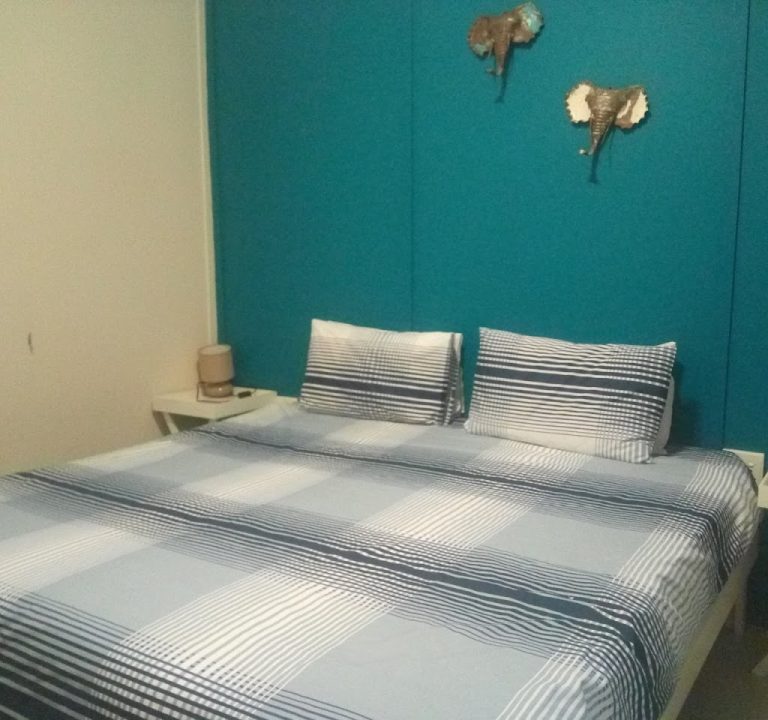
Accommodation types you’re likely to encounter include boutique hotels and guesthouses with personalised service, BnBs offering a homely feel, lodges reached by scenic routes, and homestays such as those in residential districts that connect guests with local life. In Cape Town, many listings emphasise thoughtful décor, comfortable beds, good heating or air conditioning, reliable Wi‑Fi, private bathrooms, and well-equipped kitchenettes or self-catering facilities. For families or longer stays, look for options with separate living spaces, laundry facilities, parking, and secure entrances. Some properties may offer additional touches such as guided neighbourhood walks, breakfast options, and recommendations for local experiences.
Booking tips to help you secure a great stay:
- Check cancellation policies and whether flexible rates are available, especially if your plans might shift.
- Read recent guest reviews to gauge cleanliness, responsiveness, and the accuracy of the listing’s descriptions.
- Confirm essential amenities (wifi reliability, heating/air conditioning, private bathroom, on-site parking) before booking.
- Assess access to transport: proximity to MyCiTi routes, rail connections, or ride-hailing options can save time and hassle.
- Ask about security measures and lighting if you’ll be staying in residential areas or at a property with less foot traffic at night.
- Look for host recommendations on local eateries, safe routes for evening walks, and day-trip ideas to nearby landmarks.
Practical planning tips for your stay:
- Best time to visit: South Africa’s seasons differ from many northern destinations. The summer period (November to February) brings warm days and good sea conditions, while spring (September to November) and autumn (March to May) offer mild weather and fewer crowds. Winter (June to August) is cooler and can be rainy, especially on the coast, but this can be a quiet time to enjoy city museums and indoor experiences.
- Transport: In the city, reliable options include ride-hailing apps and public bus networks. Renting a car is practical for broader explorations into the Cape Winelands or beaches, but many visitors rely on organised day trips or guided routes to maximise time.
- Safety and planning: Carry a light bag for day trips, stay to well-lit areas in the evenings, and keep valuables secure. Public beaches are fantastic during daylight; plan for sunscreen and hydration.
- Food and dining: Cape Town’s culinary scene ranges from casual cafes to refined restaurants, with many venues prioritising fresh seafood, locally grown produce, and global flavours. Explore neighbourhood markets and eateries for authentic experiences.
- Nearby experiences: Do not miss the combination of coastal scenery and dramatic peaks. Consider nature reserves, coastal walks, and gentle hikes that suit your pace. If you are interested in wine regions, day trips to nearby estates offer tastings and scenic tours, often with panoramic views of the surrounding fynbos and valleys.
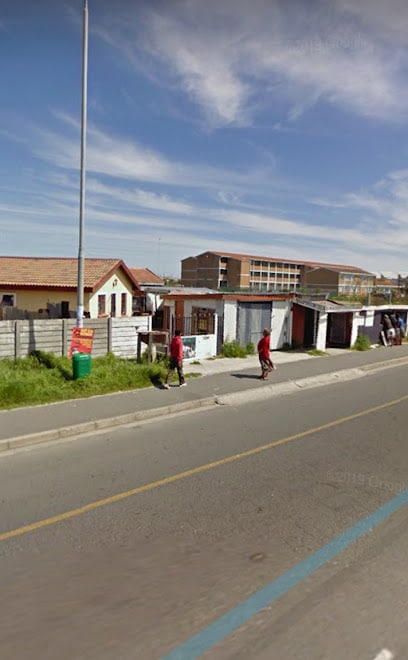
For those seeking a more intimate stay, homestays present a wonderful way to connect with local communities while enjoying comfortable facilities in residential areas. In such arrangements, guests often benefit from insider tips on places to visit, where to eat, and how to navigate the city like a local. When staying in a homestay, be mindful of house rules, shared spaces, and the household routine to ensure a respectful and pleasant experience for both hosts and guests.
Across Cape Town and its outskirts, you will find a diverse spectrum of experiences that suit different travellers. Whether your plan includes a few days in the city’s peak sights, a relaxed coastal break, or a combination that blends culture, cuisine, and countryside, careful selection of accommodation and thoughtful planning will help you make the most of your stay in this remarkable corner of South Africa. For further inspiration, you can explore official tourism resources and reputable travel guides that provide practical itineraries and general recommendations.