Accommodation and Travel Tips for Cape Town, Western Cape
Cape Town offers a diverse tapestry of stays, from stylish boutique BnBs and cosy homestays to contemporary hotels and glamping-style lodges. When planning a visit, think about what you most value in a stay: scenery on the doorstep, proximity to iconic sights, easy access to dining and nightlife, or a quieter retreat with a view. The city’s neighbourhoods vary dramatically, so choosing the right base is as important as selecting your room. A good starting point is to map out a balanced itinerary that uses one or two core areas as hubs, with day trips to surrounding highlights.
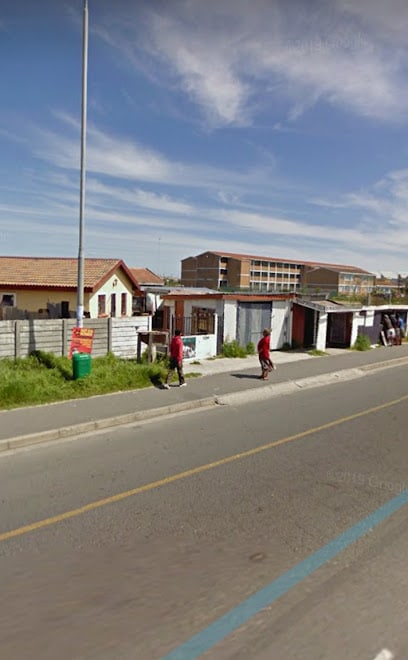
Kusela Place, a homestay option in Cape Town, demonstrates how a well-situated, personable stay can frame your visit. Homestays often offer a warm, neighbourhood-centric experience, with hosts who can share insider tips on the local area, from markets to fresh produce stops and offbeat viewpoints. If you are drawn to a more independent feel, consider self-catering apartments or guesthouses that emphasise privacy while still offering attentive host support.
Areas to consider include the Atlantic Seaboard for marina and ocean views, the City Bowl for easy access to central sights and a lively dining scene, and green, scenic enclaves such as Constantia and lie of the mountain side for a more relaxed pace and sweeping vistas. Each area brings its own rhythm: the Atlantic Seaboard tends to be vibrant and coastal, the City Bowl is convenient for museums and markets, while the Constantia Valley offers leafy tranquillity and wine country ambience a short drive from the coast.
When booking, look for these practical features to ensure a comfortable stay. A reliable Wi‑Fi connection is essential for planning days, especially if you want to book a last‑minute table or activity. A thorough kitchen or kitchenette can save time and money, particularly if you prefer a few home-cooked dinners after busy days of sightseeing. Adequate storage and a peaceful sleeping setup – good insulation, blackout curtains, and a comfortable bed – make a world of difference after long days outdoors. An accessible transport arrangement is also key; many visitors rely on a mix of Uber and car rental, while some neighbourhoods are well served by MyCiti buses and metered taxis.
For families, safe, well-located stays with space to relax between outings are ideal. Couples often favour places with a balcony or terrace for sunset moments over the Atlantic, as well as proximity to distinctive eateries and small galleries. Solo travellers typically appreciate hosts who can offer friendly, practical tips about safe routes, good-value eateries, and day trips beyond the city bowl.
A typical Cape Town stay blends city exploration with nature. In a day you might hike part of Table Mountain (or take a cable car for panoramic views), stroll along the V&A Waterfront, and enjoy a relaxed lunch at a harbour-side or urban café. For those craving gardens and shade, Kirstenbosch National Botanical Garden and the Cape Peninsula parks are near, offering wooded trails and sea breezes. While some attractions are ticketed or timed, many experiences in Cape Town are seasonal and weather-dependent, so a flexible plan can pay dividends.
Accommodation in Cape Town ranges from modern hotels with on-site restaurants and gyms to intimate guesthouses and self‑catering flats. If you prefer a hotel, look for properties that offer a strong local flavour—design details inspired by Cape Town’s maritime or mountain scenery, and staff who can arrange day trips or suggest hidden viewpoints. For homestays and guesthouses, good hosts often provide breakfast or light refreshments and can tailor recommendations to your pace and interests. In all cases, read recent guest reviews to gauge consistency in cleanliness, service, and the responsiveness of hosts or front desk teams.
Transport within Cape Town is straightforward but requires some planning. If you are staying near the City Centre or the V&A Waterfront, many attractions are walkable or reachable by short rides. For mountain access and scenic drives, a rental car offers the most flexibility, though there are reliable private shuttle services and day-trip operators for specific excursions. If you plan to travel beyond the city to places such as wine regions or the Cape Peninsula, organise a day trip with a reputable operator or join a small-group tour rather than attempting long self-drive itineraries in high-traffic periods.
Best time to visit Cape Town is influenced by weather, winds, and crowds. Spring (September to November) and autumn (March to May) are particularly pleasant, with mild temperatures and a lower likelihood of peak-season crowds. Summer (December to February) brings long days and a buzzing outdoor dining scene, but can be busier and more expensive. Winter (June to August) is cooler and rainy, yet still affords dramatic coastal scenery and a quieter city vibe. Pack layers, a sunhat, comfortable walking shoes, and a light waterproof layer to cover changing conditions from the coast to the mountains.
- Ask hosts or hotel concierges about the best local dining options that suit your budget and dietary preferences.
- Book Table Mountain experiences or Robben Island tours well in advance if you plan to visit during peak seasons.
- Check cancellation policies and whether refunds are available for weather-related changes.
- Choose green transport options where possible, and consider a day trip that combines scenery with a restful return to your base.
In short, a well-chosen Cape Town base will complement your itinerary of beaches, mountains, gardens, and heritage. Whether you opt for a personable homestay like Kusela Place, a chic city-centre hotel, or a countryside-style guesthouse, planning ahead, staying flexible, and focusing on authentic, memorable experiences will help you craft a rewarding visit to this iconic destination.