Accommodation and Experiences in Cape Town: Planning Your Stay in the Mother City
Cape Town, set between the iconic Table Mountain and the Atlantic Ocean, offers a diverse range of places to lay your head after a day of exploring. From cosy homestays to boutique guesthouses and hillside lodges, there is something to suit every pace and budget. When planning a stay, consider the rhythm of neighbourhoods as much as the style of accommodation. A well-chosen base can cut travel time, sharpen your itinerary, and unlock a richer experience of the city and its surroundings.
Areas to consider include the City Bowl, which provides easy access to museums, markets, and city cafés, while the Atlantic Seaboard and Camps Bay offer spectacular coastal views and a more resort-like vibe. Constantia and the nearby suburb of Hout Bay give a quieter, leafy atmosphere with access to wine estates and nature. For a practical balance of city energy and coastal scenery, the neighbourhoods around Green Point and Sea Point can be excellent: walkable, well-connected, and close to beaches and promenades. If you plan day trips to the Cape Winelands or the Cape Peninsula, a stay in central areas or along main transit routes can save time on the road.
When choosing accommodation, look for a few practical features that suit modern travel. En-suite bathrooms and reliable Wi‑Fi are often essential for guests who mix work and leisure. A contemporary kitchen or self-catering options can help with flexible meal planning, while on-site parking is a plus in busy areas. For guests seeking a more local flavour, homestays and guesthouses sometimes offer shared spaces and a hearty breakfast, allowing you to sample regional ingredients and hospitality. In places with sea or mountain views, consider a room with a balcony or large windows to make the most of the setting, especially at sunrise and sunset.
Transport is a key consideration in Cape Town. The city has a well-used public transport network, including rapid bus services and rail links along some routes, though many visitors prefer private arrangements. Ride-hailing apps are widely available, and some accommodation providers offer airport transfers or organised tours. If you plan to explore beyond the city centre, renting a car grants flexibility to reach coastal towns, nature reserves, and the winelands at your own pace. For those who prefer to stay mostly in one area, choose accommodation near major bus routes or a reliable taxi/ride-hailing option to limit daily travel time.
Best time to visit Cape Town spans multiple seasons. The city enjoys a Mediterranean climate with dry summers and wet winters. Late spring (September to November) and early autumn (March to May) bring mild temperatures, blooming flowers on the hills, and fewer crowds than the peak southern-hemisphere summer. Summer (December to February) is popular for beach time and outdoor activities, though it can be busier and pricier. Winter (June to August) is cooler and windier, but many museums, galleries, and dining establishments remain inviting, and it can be a bargain choice for those focused on city culture and food scenes. Regardless of season, plan for some period of outdoor activity each day, as the vistas are one of Cape Town’s constant draws.
Accommodation types to consider include:
- Homestays and guesthouses: often provide a warm, personalised welcome, with the chance to chat with hosts about local tips and hidden spots.
- Boutique hotels and small lodges: typically feature characterful interiors, thoughtful design, and convenient locations near shops, restaurants, and attractions.
- Self-catering apartments or cottages: ideal for longer stays or family trips, offering more space and kitchen facilities.
- Eco-conscious or hillside lodges: can deliver breathtaking views and a sense of immersion in the landscape while remaining comfortable and well-equipped.
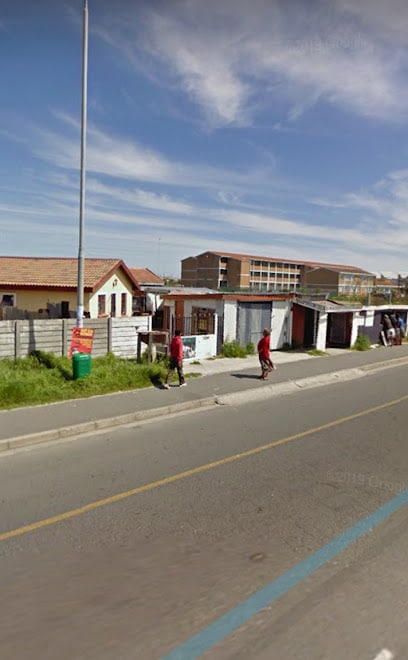
For those staying in or near the area known as Madontsela, a homestay option can provide a genuine sense of local life. If you are considering a stay in a homestay, ask about breakfast arrangements, access to common areas, and whether hosts can offer recommendations for authentic dining and nearby markets. A well-chosen homestay can be a gateway to personal connections and insider tips that you might not discover through guidebooks alone.
Practical planning tips:
- Ask about access to public transport or parking, and whether the property offers shuttle services or organised tours.
- Check for essential amenities: reliable Wi‑Fi, heating or air conditioning, and comfortable bedding. If you travel with children, confirm available cots or extra beds.
- Consider your daily itinerary and choose a base that minimises long commutes to your top priorities, whether Table Mountain, the V&A Waterfront, or the Constantia wine route.
- Look for flexible cancellation policies, especially if your travel plans are subject to change.
- Review local safety information and plan some gentle evening strolls to see how a neighbourhood feels after dark.
Aside from lodging, Cape Town offers a broad spectrum of attractions, landscapes, and dining experiences. Iconic viewpoints, beaches with golden sands, and verdant winelands are complemented by markets, contemporary galleries, and eateries that celebrate seasonal produce. For current ideas, reputable travel sites and the official tourism pages provide broad overviews of popular experiences, routes, and recommended dining concepts. A well-planned stay can blend time on the coast, a scenic drive along the hills, and evenings spent sampling regional flavours, all while staying within a preferred neighbourhood and a comfortable budget. For inspiration and practical planning, visiting the official tourism portal can offer updated guidance and ideas to shape your Cape Town itinerary.