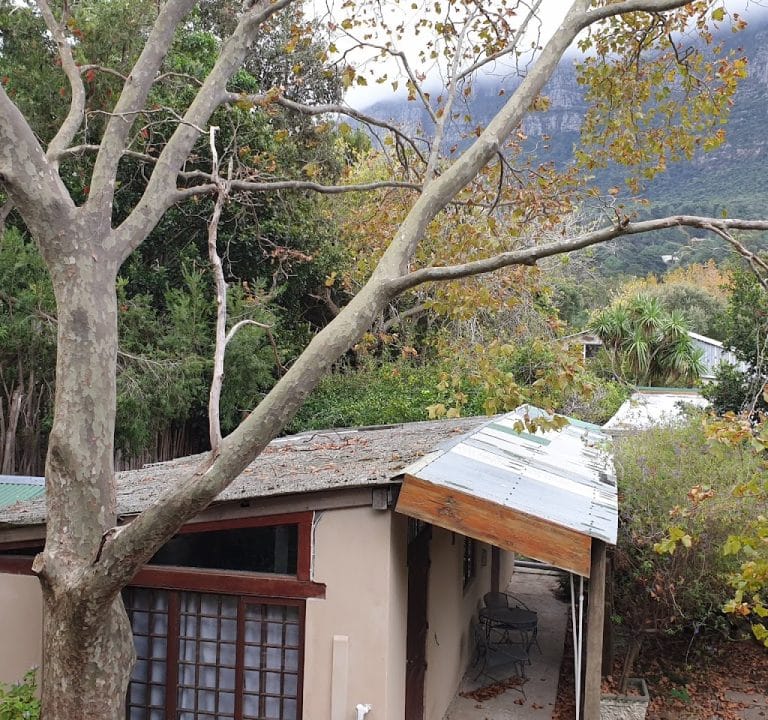
A guide to staying in Cape Town: where to stay, what to expect and how to plan your visit
Cape Town combines awe-inspiring scenery with a rich mix of cultures, cuisines and outdoor adventures. When planning a stay, it’s useful to think about the five broad areas that frame most visitors’ experiences: the central City Bowl and the historic precincts nearby, the lively V&A Waterfront, the andalusian-hues of the Atlantic Seaboard, the leafy Constantia valley on the southern escarpment, and the tranquil Constantia and surrounding suburbs for a more relaxed pace. Each area offers different vibes, travel times and access to sights, dining and beaches, so your choice sets the tone for your whole trip.
Accommodation options in Cape Town range from stylish boutique guesthouses and self-catering flats to full-service hotels and private villas. Look for properties that match your priorities—views and proximity to attractions, or quiet residential streets with quick access to parks and beaches. If you’re travelling with family or a group, a self-catering apartment or a villa can provide more space and flexibility. For a romantic escape, a boutique hotel or villa with a private terrace or plunge pool can be ideal. A practical mix of comfortable bedrooms, reliable Wi‑Fi, good heating or air conditioning, and a well-equipped kitchen or kitchenette is especially important if you’re spending several days in the city.
Typical amenities to consider include en-suite bathrooms, secure parking, 24-hour reception or staff presence, daily housekeeping, and thoughtful touches such as coffee stations, quality bedding and ample storage. Some properties offer guest lounges, rooftop decks, or pool areas with views of the mountains or the sea. If you plan to self-cater, check for well-equipped kitchens, grocery delivery options, and access to laundry facilities. For longer stays, a kitchen, washing machine or separate drying area can be particularly convenient. If you’re sensitive to power outages, ask about backup power or uninterrupted services during loadshedding intervals, which can be common in the region.
Transport is a practical consideration. The city centre is walkable for short distances, but a car or reliable ride-hailing service greatly expands your possibilities, from Chapmans Peak drive to the Cape Peninsula and the Constantia wine routes. Public transport is available in parts of the city, with tourist-friendly hop-on hop-off options in some seasons. If you’ll be staying near the Atlantic Seaboard, note that traffic can be heavy during peak hours, so plan day trips or early starts for scenic drives and coastal strolls. A portable digital map or local SIM card helps with real-time updates and navigation while you explore urban streets and mountain trails alike.
The best time to visit Cape Town depends on what you want from your trip. Late spring (September to November) brings blooming gardens and milder weather, while the austral summer (December to February) offers longer days for beaches, outdoor markets and vibrant street life. Autumn (March and April) can be pleasant and slightly quieter, with good visibility for coastal views. Winter (June to August) is cooler and wetter, but it is also a superb time for less crowded museums, cosy eateries and dramatic seascapes along the coast. For outdoor activities such as hiking or coastal road trips, check the daily weather forecast and wind conditions, particularly if you plan to visit higher trails or the Cape Point area.
When planning a stay, balance your days with a mix of iconic sights and slower explorations. Cape Town’s top attractions are widely spread, so arranging a couple of full or half-day trips helps. Consider a cable car ride up Table Mountain, a visit to the Cape Peninsula to enjoy panoramic coastline views, or a day trip to the Cape Point reserve. Outside the city core, you’ll find penguin viewing at Boulders Beach, whale watching seasonally along the False Bay coast, and tranquil coastal trails that weave through nature reserves. On a culinary front, Cape Town’s dining scene ranges from casual seafood shacks and vibrant markets to modern bistros and fine dining experiences. Expect diverse flavours drawn from coastal, African and global influences, with many restaurants prioritising seasonal local produce and sustainable practices.
Practical tips to help you get the most from your stay:
- Book accommodation well in advance for peak seasons, especially around school holidays and public holidays.
- Check for parking arrangements and security features if you’ll be renting a car.
- Ask about accessibility to public transport and nearby taxi or ride-hailing options for evenings out.
- Request updated information on local safety tips and recommended routes for walking or driving at night.
- Plan your days to enjoy early mornings on Table Mountain or beaches before crowds form.
- Pack layers for varying temperatures, plus a waterproof layer for coastal winds and sudden showers.
- Respect local guidelines and wildlife when visiting nature reserves and beaches.
For those seeking a refined base with a sense of place, boutique villas in Cape Town—such as options typified by stylish, private properties—often combine thoughtful design with personal service. They can offer a quiet home from home, private outdoor spaces, and convenient access to both city sights and nature. If you’re curious about a particular property, visit the official tourism portals or the property’s own website for the latest details on facilities, guest reviews and booking policies.
In summary, Cape Town rewards travellers who plan with flexibility and curiosity. By choosing a base aligned to your preferred pace and neighbourhood, you can easily combine scenic splendour, cultural experiences, outdoor adventures and memorable meals into a well-rounded stay. Whether you favour a cosy villa with a sea view, a central guesthouse close to markets and museums, or a contemporary hotel with easy access to the city’s harbour and hills, the city provides a welcoming home base for exploring one of Africa’s most extraordinary destinations.