Cape Town: Accommodation Planning, Attractions, and Local Flavours
Cape Town is a city of striking contrasts, where mountain vistas meet coastline and vibrant neighbourhoods hum with life. When planning a stay, consider pinning your base to one or two areas rather than moving every night, so you can truly unpack, relax, and explore without constant transit. Whether you opt for a stylish boutique guest house, a family-friendly guest lodge, or a self-catering apartment, the key is to balance comfort with easy access to the activities you love.
Choose your neighbourhood with care. The V&A Waterfront area is convenient for first-time visitors, with sea views, a range of dining options, and proximity to boat trips and museum spaces. The City Bowl (including De Waterkant and Gardens) is ideal for nightlife, galleries, and quick access to Table Mountain views. For a quieter, more residential feel, consider observing how the Atlantic Seaboard and Camps Bay offer dramatic ocean scenery and upscale eateries without being far from the city’s buzz. For family-friendly browsing and rustic charm, look to the southern suburbs and nearby wine routes, where guest houses often provide larger rooms and gardens.
What to look for when booking accommodation in Cape Town:
- Location relative to planned activities: mountain hikes, beaches, urban exploring, and daily markets.
- Transport links: a short walk to MyCiTi bus stops or proximity to rail stations can save time during city sightseeing.
- Room configuration and privacy: request en-suite bathrooms, separate sleeping areas for families, or quiet zones for additional rest after long days.
- Facilities and amenities: free Wi‑Fi, breakfast options, secure parking, laundry services, and reliable heating or cooling depending on the season.
- Access to experiences: some properties offer guided walks, restaurant recommendations, or itineraries for local markets and scenic routes.
Typical amenities in Cape Town accommodation range from chic design touches to practical comforts. Expect secure entry, daily housekeeping or selective cleaning, and thoughtful extras such as a well-equipped kitchenette, coffee facilities, or a cosy lounge area with a view. If you plan to spend your days outdoors, a hearty breakfast, flexible check-in times, and information on trusted taxi or ride-share options can be invaluable for seamless travel between sights and restaurants.
Best time to visit Cape Town depends on your priorities. The summer months (roughly November to February) bring warm, sunny days ideal for beaches, outdoor markets, and waterfront strolls. If you prefer cooler weather and thriving nature, spring (September to November) and autumn (March to May) provide pleasant temperatures and lush scenery. Winter (June to August) is cooler and wetter, yet it carries a certain tranquil charm and fewer crowds, making it a good period for museums and coastal walks with dramatic skies.
Getting around efficiently is part of the experience. While many visitors enjoy walking in the City Bowl, a reliable plan for longer distances helps. Public transport options include the MyCiTi bus network and Metrorail services connecting key suburbs. Ridesharing apps are widely used and convenient for evening meals, coastal views, and late-night visits. If you’re staying in a guest house or lodge, ask the host for area-specific tips on safe walking routes, best times to visit popular viewpoints, and any local shuttle services that may be included or offered at a modest rate.
Practical tips to smooth your stay:
- Pack layers: Cape Town’s weather can be changeable, especially if you plan to ascend Table Mountain or take a coastal stroll at dawn or dusk.
- Plan mountain visits for clear days and start early to avoid crowds and wind on exposed trails.
- Book popular attractions or tours in advance, but leave room for spontaneous discoveries, such as street cafés, markets, and small galleries.
- Safety: keep valuables discreet and use reputable transport options after dark. Your accommodation host can share local insights on safe routes and neighbourhood etiquette.
- Dining: Cape Town’s restaurant scene ranges from casual bistros to refined tasting menus. Use guest house staff or hotel concierges for trusted recommendations and book ahead where possible, particularly on weekends or during peak seasons.
Attractions and experiences in general terms offer a broad spectrum beyond the obvious landmarks. Across the Cape Town region, you’ll find scenic coastal drives, nature reserves, markets with handmade crafts, and opportunities to sample regional wines and fresh produce. For visitors staying in a guest house such as those found on the city’s diverse harbour or valley sides, a curated blend of small-group walks, local food experiences, and artisan shop visits can provide a deeper connection to the Western Cape’s culture and landscapes. If you have a particular interest—whether it’s hiking in rugged mountain terrain, exploring historic sites, or sampling coastal seafood—request bespoke itineraries from your hosts or a trusted local tour operator to make the most of your stay.
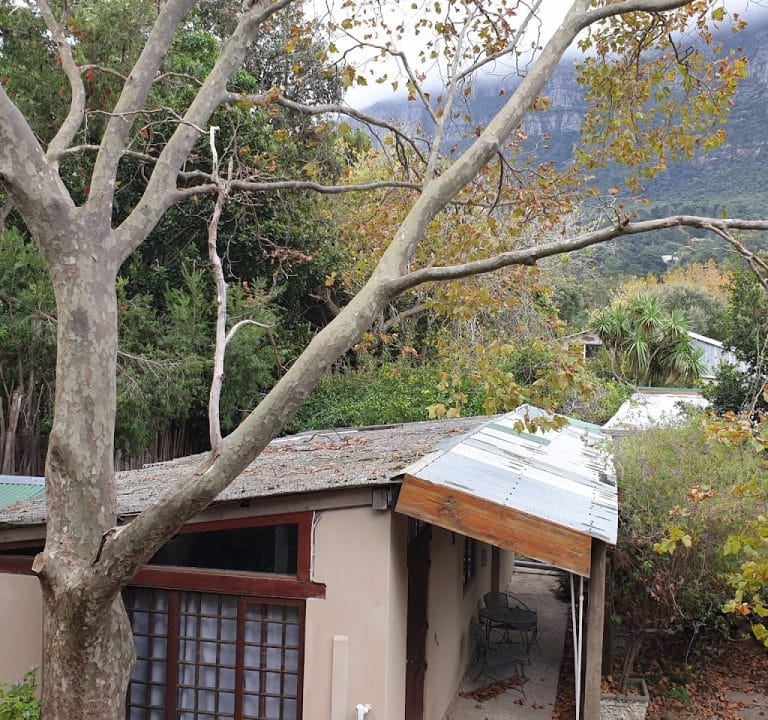
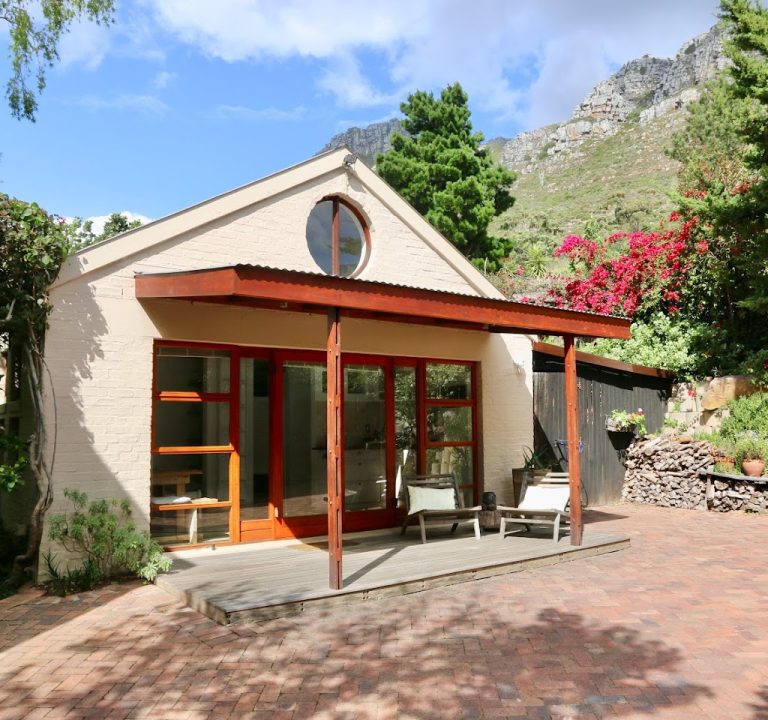
For planning and inspiration, reputable online resources such as official tourism sites may offer practical itineraries, current event calendars, and dining options to help you tailor your Cape Town break. When considering accommodation, you might come across options in charming guest houses like Disa River Farm, which exemplify the intimate, locally run lodging that can harmonise with day trips to nearby scenic or cultural highlights. Whether your aim is a relaxed city break or an active exploration of sea cliffs and vineyard valleys, Cape Town rewards thoughtful planning, a keen sense of timing, and a willingness to sample a blend of natural beauty, urban pleasures, and warm South African hospitality.