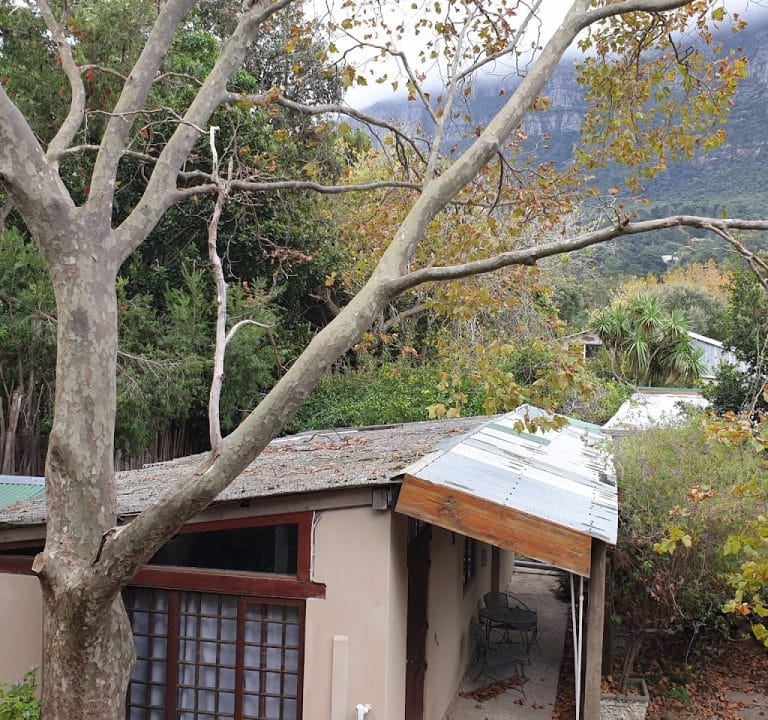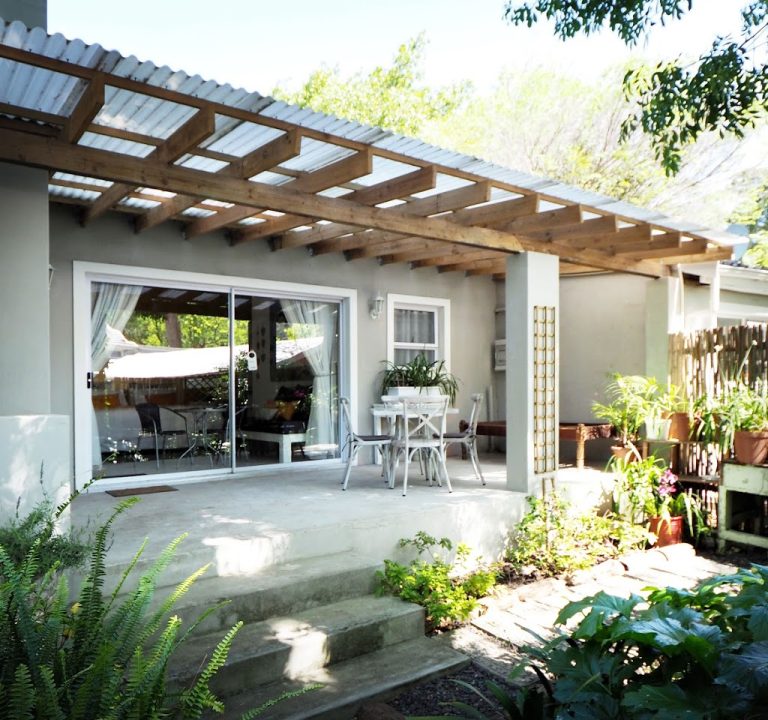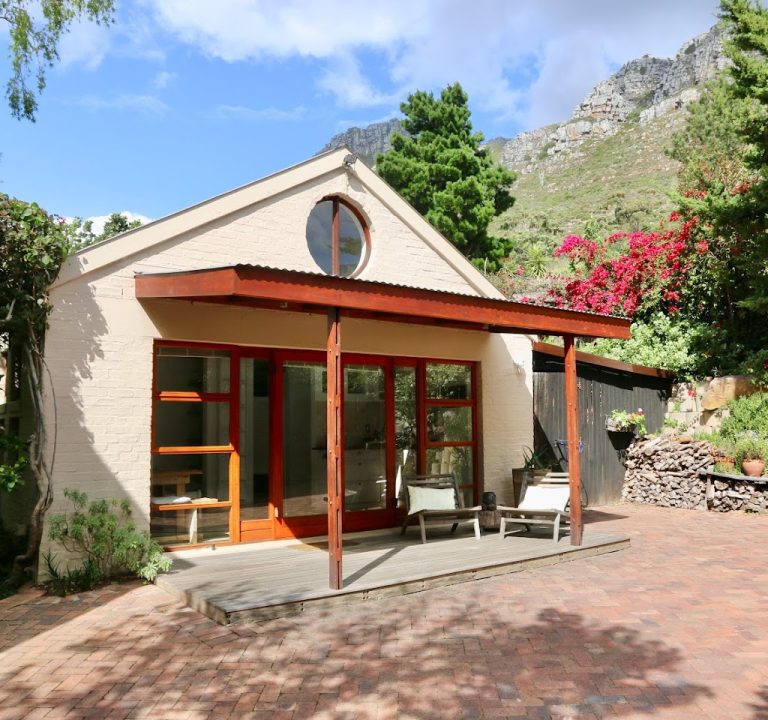
Bokkemanskloof guest cottage is a Bed & breakfast establishment in Cape Town, Western Cape, South Africa
Delightful self‑catering guest cottage in Cape Town
The Delightful self catering guest cottage presents a private, self‑contained option for travellers exploring the Cape Town area in the Western Cape of South Africa. Described as a self‑catering retreat, the accommodation emphasises independence and ease, ideal for guests seeking a quiet home base during their visit.
The setting is recognised as a guest‑cottage experience, offering a simple, comfortable space that prioritises privacy and convenience. As a self‑contained option, guests can expect to manage meals and daily routines in their own pace, making it a practical choice for those who prefer a flexible, low‑friction stay. While specific room configurations and on‑site facilities are not itemised in detail here, the listing centres on a self‑catering approach within a dedicated guest space, away from shared living areas.
From a traveller’s perspective, the property suits visitors who value a private hideaway with the freedom to plan activities and meals on their own schedule. The emphasis on self‑catering suggests a practical layout for couples, solo explorers, or small groups looking for a relaxed stay with uncomplicated access to a kitchen or kitchenette, should that be included in the listing description.
Accommodations situated in Cape Town often act as convenient bases for discovering the region’s mix of natural beauty, cultural attractions, and urban experiences. The cottage format lends itself to laid‑back mornings, evenings at leisure, and the freedom to tailor daily itineraries around personal interests, whether those lie in scenic walks, local dining, or easy day trips to nearby landscapes and neighbourhoods.
For those planning a visit to Cape Town, this type of stay can be particularly appealing to travellers who prioritise a home‑away‑from‑home feel, a degree of autonomy, and a compact, efficient space designed for restful nights and easy mornings before venturing out to explore the wider Western Cape.
- Well‑located for accessing Cape Town’s mix of natural and cultural highlights
- Self‑catering setup offers flexibility for meals and daily routines
- Private, self‑contained accommodation that supports independent travel
Booking tips and travel considerations: prospective guests are advised to review the listing details on the booking platform for specific inclusions, policies, and any house rules. Availability and rates may vary by season, so checking current dates is recommended. The listing link provides the primary source of information and the most accurate, up‑to‑date details, including photos, lay‑out, and any amenities described as part of the self‑catering cottage experience. For those planning to explore the surrounding area, allocating time to understand local transport options and accessibility can help in organising daily excursions efficiently.
Ultimately, the Delightful self catering guest cottage offers a succinct concept: a private, self‑contained stay in Cape Town that supports a relaxed, self‑paced itinerary. It stands out for travellers who value independence, comfort, and a straightforward, uncomplicated home‑base from which to enjoy the broader Western Cape region.
For potential guests seeking more information or to initiate a booking, the listing page on the booking platform remains the best source for specific details, updates, and availability. Visitors can explore the option to learn more about the cottage’s self‑catering layout, check in‑dates, and review current policies directly through the listing. View the listing on Airbnb.
Cape Town
Western Cape
7806
South Africa


Cape Town: Accommodation, attractions and planning a memorable stay
Cape Town presents a diverse tapestry of stays, from intimate B&Bs tucked into leafy neighbourhoods to stylish guesthouses set against dramatic coastal backdrops. When planning a visit, think about what you want from your base: easy access to iconic sights, a neighbourhood atmosphere, or a quieter retreat within reach of the city’s highlights. For a restful base that combines country vibes with modern comforts, consider charming options such as Bokkemanskloof guest cottage, a self‑catering guest cottage offered through local platforms. Such spaces often blend privacy with an approachable, home‑from‑home feel, making them well suited to travellers who value both independence and a touch of personal hospitality.
Areas to consider for your stay vary in character and practicality. The City Bowl and V&A Waterfront are perfect for first‑time visitors who want central convenience, superb views, and quick access to tours. The Atlantic Seaboard offers sweeping coastal scenery, luxury finishes, and a cosmopolitan dining scene, while Constantia and the surrounding wine routes provide green tranquillity, larger properties, and opportunities for day trips to wine farms. For a family‑friendly or countryside experience closer to nature, the suburbs and towns beyond the city centre—such as those near the lauded reach of Table Mountain National Park—can be especially appealing. When selecting your area, weigh factors such as proximity to your planned activities, noise levels, on‑site amenities, and transport options.
Booking considerations help ensure a smooth stay from the moment you arrive. Look for hosts and properties with clear cancellation policies, accurate expectations in the listing, and recent guest reviews. Typical amenities to expect include private or en‑suite bathrooms, reliable wi‑fi, well‑equipped kitchens or kitchenettes, adequate heating or air‑conditioning, secure parking, and accessible public transport links. If you value a shared social atmosphere, a guesthouse with communal spaces and guidance from the host on local tips can be a plus. For families or longer visits, note the availability of laundry facilities and child‑friendly provisions. By clarifying these details before you book, you’ll minimise surprises and tailor your stay to your pace and preferences.
Transport in Cape Town is relatively user‑friendly but varies by district. In central areas, Uber, ride‑hailing services, and well‑maintained tap‑and‑go payment options make getting around straightforward. For coastal or scenic routes, a car can offer flexibility to explore the city’s surrounds, including the Cape Winelands and penguin colonies along the Atlantic coast. Many accommodations provide parking or can advise on trusted local transport options. If you plan to visit outside peak hours, check the host’s guidance on best routes and safety considerations. Remember that some streets near the city centre are busy, so planning a little extra time for transitions between sights is wise.
The best time to visit Cape Town depends on what you’re seeking. The late spring and summer period (roughly October to March) brings longer days and lively outdoor spaces, ideal for hiking, coastal walks, and outdoor dining. Autumn (April and May) offers mild weather and fewer crowds, while winter (June to August) brings cooler, wetter conditions but can be surprisingly quiet and affordable. If your interests include blooming gardens, mountaineering routes, or wine tastings, plan your trip to align with seasonal events and harvest times, and always check local forecasts ahead of your itinerary.
To help you structure your stay, here is a suggested framework for a balanced Cape Town visit:
- 2–3 nights in a central area (City Bowl or V&A Waterfront) to acclimatise and enjoy iconic viewpoints and dining.
- 2–3 nights on the Atlantic Seaboard or in Constantia for coastal scenery or vineyard excursions.
- 1–2 nights in a quieter suburb or rural setting for nature experiences or a family‑friendly base.
When planning activities, breadth is as important as depth. Cape Town offers a mix of natural scenery, cultural experiences, and culinary possibilities. Iconic viewpoints such as Table Mountain or the Kirstenbosch Botanical Gardens provide memorable backdrops for photos and relaxed walks. Robben Island continues to be a significant site for learning about history, while the nearby Winelands region invites a day trip filled with atmospheric estates and tastings. In terms of dining, the city’s restaurant scene ranges from casual eateries to refined dining rooms, with many venues prioritising seasonal ingredients and locally sourced produce. While specifics about individual restaurants or prices should come from current listings and reviews, you can generally expect a spectrum of settings, from coastal seafood spots to modern interpretations of South African cuisine.
Practical tips to maximise comfort and enjoyment include checking the listing’s kitchen facilities if you plan to self‑cater, confirming whether the space is suitable for your party size, and requesting guidance on nearby supermarkets and essential services. Pack layers for variable weather, sturdy walking shoes for hilly approaches, and any personal items that you know you’ll need. If you’re arranging airport transfers or arrival logistics, a flexible plan that allocates time for unexpected delays can save stress. And finally, keep a note of useful local resources, such as visitor information centres or host handbooks, which often include practical tips on safety, etiquette, and healthy travel habits.
For those considering a stay with a more intimate, home‑like feel, a well‑reviewed option such as the Bokkemanskloof guest cottage can offer a secluded, self‑catering base with easy access to the surrounding scenery. To explore similar stays, you can browse listings on reputable platforms and review recent guest feedback to gauge comfort, hosts’ responsiveness, and value for money. For more information on this kind of accommodation, you may visit the listing page at the following link: https://www.airbnb.co.za/rooms/5754945?source_impression_id=p3_1579253437_crfmXu0qedX3Y4Hp
Sorry, no records were found. Please adjust your search criteria and try again.
Sorry, unable to load the Maps API.
Why Claim Your Listing?
Claiming your listing on the B&B Finder directory website is a valuable opportunity for business owners. Here are five reasons why you should consider claiming your listings:
Control Over Business Information: By claiming their listing, business owners can ensure that all the information presented is accurate and up-to-date. This includes details such as contact information, address, pricing, and available services or amenities. Accurate information helps prevent customer confusion and improves overall satisfaction.
Enhance the Listing: Once a listing is claimed, owners can enhance it by adding more comprehensive information and rich media, like high-quality photos and videos. These additions can make the listing more attractive and engaging to potential customers, thereby increasing the likelihood of bookings.
Marketing Opportunities: Claiming a listing can also open up additional marketing opportunities. Owners may be able to participate in promotional campaigns, special offers, and other marketing activities organized by the directory. This can increase visibility and attract more customers to the business.