Where to stay in Cape Town and how to plan a satisfying visit
Cape Town’s allure lies in its dramatic setting, where beaches, mountains and historic neighbourhoods converge. When planning a stay, consider choosing a base that aligns with your planned activities, dining desires and pace. The city offers a wide range of accommodation, from intimate boutique guesthouses and characterful lodges to contemporary hotels and self‑catering apartments. Each area has its own rhythm, so selecting the right location can shape your experience as much as the room itself.
Neighbourhoods to consider include the City Bowl for convenient access to cultural sights and urban dining, the V&A Waterfront for a waterside vibe and easy day trips, and the Atlantic Seaboard (from Blouberg to Camps Bay) for sun, sea views and a resort-like atmosphere. Constantia and the southern fringe offer greenery, wine estates and a more leisurely pace, while Bo-Kaap provides colour and history within walking distance of central attractions. When you search, look for options that clearly state parking facilities, easy access to public transport or a reliable transfer service, and friendly, responsive staff who can tailor your stay to seasonal openings and local tips.
Typical amenities to expect include daily housekeeping or weekly linen changes, reliable wi‑fi, secure parking or on‑site parking, and in-room essentials such as coffee/tea making facilities and a well‑equipped bathroom. For a special stay, many properties feature outdoor spaces, swimming pools, or balconies with views over the ocean, Table Mountain or leafy streets. Breakfast is a common inclusion at guesthouses and boutique hotels, offering a straightforward start to busy days, while some places provide full board or kitchen facilities for guests who prefer more independence. If you are travelling with family or a group, a larger apartment or a boutique hotel with a quiet lounge or communal kitchen can be particularly practical.
Planning transport is part of the Cape Town experience. The city has a growing MyCiTi bus network and rail links, plus ride‑hailing services. If you are staying near the City Centre or the V&A Waterfront, you can often walk to a substantial number of sights, but for wider exploration—such as the Cape Point peninsula, wine routes, or wildlife encounters—a car or private transfer gives flexibility. If you favour a slower pace, book hotels that can arrange reliable day trips or guided experiences to places like Table Mountain’s nature routes or Kirstenbosch Gardens, ensuring you have a plan for shoulder‑season weather and wind, which can change outdoor plans quickly.
The best time to visit Cape Town is influenced by weather, wind, and crowds. Spring (September to November) and autumn (March to May) offer mild temperatures and lighter crowds, making it a good compromise for sightseeing and dining. Summer (December to February) brings warm conditions and longer days for coastal activities, but popular spots can be busy. Winter (June to August) is cooler and wetter, yet it can be a good period for value‑focused stays and exploring indoor attractions or wine estates nearby. If your travel includes the Cape’s celebrated wine routes or a scenic drive to the Cape Peninsula, plan ahead for ferry and road conditions, and be prepared for rapidly changing weather on higher ground or coastal routes.
When booking, practical considerations matter as much as style. Read recent guest reviews to understand how well a property maintains cleanliness, handles check‑in procedures, and supports guests during peak times. Confirm the presence of off‑street parking if you plan to hire a car, check the proximity to MyCiTi stops or railway stations, and verify whether kitchen facilities or breakfast services align with your dietary needs and schedule. If you are celebrating a special occasion, discreet touches from staff—such as help organising a sunrise activity or a chef‑prepared meal—can greatly enhance your stay. For the curious traveller who wants to combine a stay with a keepsake experience, look for accommodation operators that offer curated experiences or partner with local guides for safe, responsible tourism.
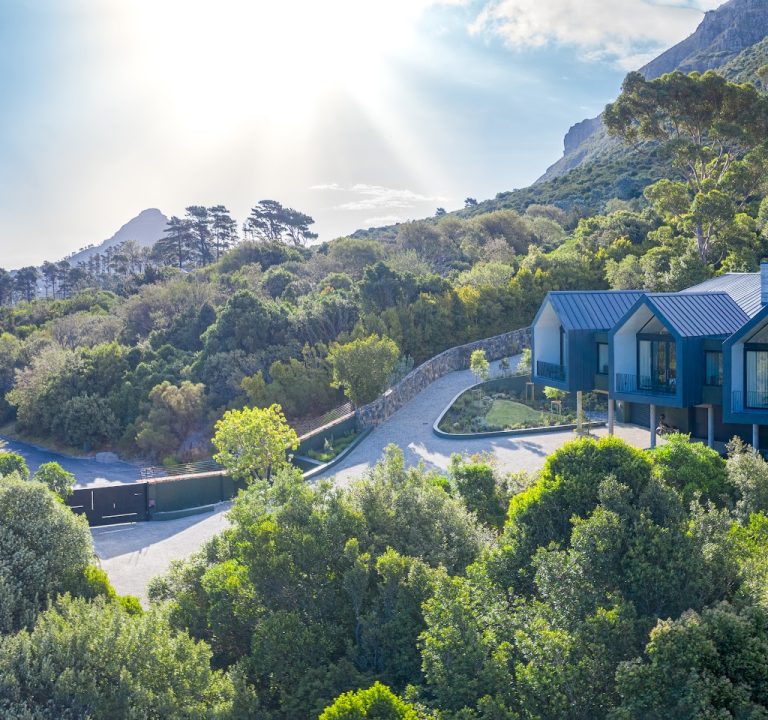
If you would like a concrete example of the kind of place that captures the Cape Town experience, you may explore options like Future Found Sanctuary, a boutique hotel that emphasises comfort, atmosphere and location. Their website provides insights into what a thoughtfully designed stay can offer and how travel plans can be aligned with a relaxing retreat. See more at Future Found Sanctuary.
To help with quick planning, consider this practical short checklist:
- Area choice based on activities you prioritise (mountains, beaches, dining, or nightlife)
- Proximity to transport links and safe, accessible routes after dark
- Clear confirmation of inclusions (breakfast, parking, wifi, housekeeping)
- Flexible cancellation policy in case weather or plans shift
- Scenic or convenient options for day trips (Table Mountain, Cape Point, Robben Island cruises)
Finally, keep the ethos of Cape Town in mind: a city of contrasts with spectacular natural beauty and a diverse, thriving food scene. Let your stay be your base for discovery—whether you long for a quiet sunrise on the Atlantic coast, a bustling market or a historic precinct, or a scenic drive through vineyards. With careful planning and a choice of well‑located accommodation, your Cape Town visit can be as energising as it is restorative.