Discovering St Lucia, KwaZulu-Natal: accommodation and experiences
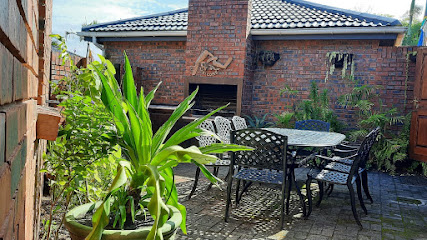
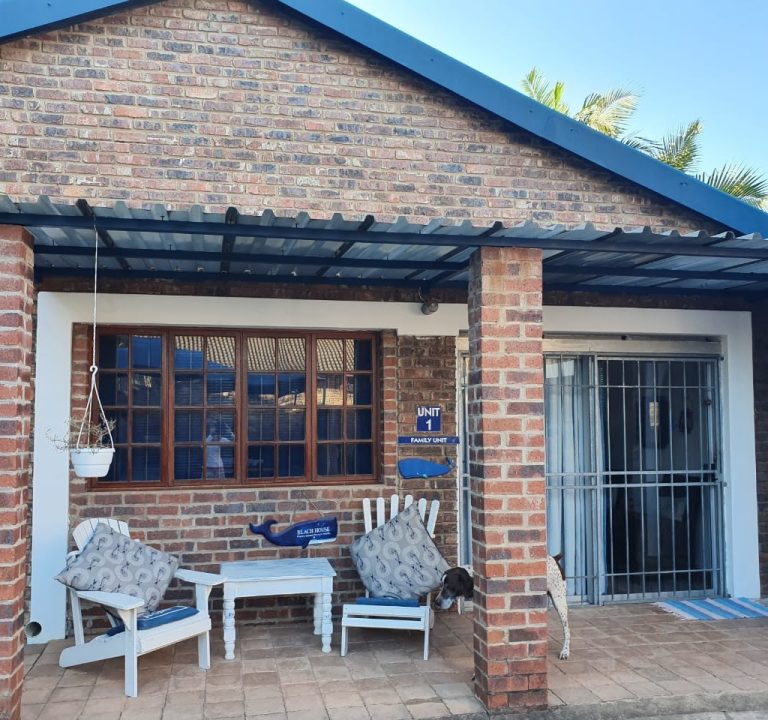
St Lucia in KwaZulu-Natal offers a graceful blend of coastal charm, fresh air and wildlife-rich surroundings. When planning a stay, many visitors base their choices on proximity to the town’s centre, access to the iSimangaliso Wetland Park and the convenience of self-drive routes to nearby beaches and reserves. The area is popular with travellers who value a relaxed pace, easy access to nature and comfortable, well-equipped places to rest after a day exploring. A number of accommodation options can suit different budgets and preferences, from intimate guesthouses to larger lodges with swimming pools and easy parking. One example within the area is Macadamia Lodge, an indoor lodging option that emphasises a calm, comfortable base for day trips and walks in nature.
Areas to consider when booking start with St Lucia town itself, where most guesthouses, B&Bs and small lodges cluster around the central village and its entrances to the bay. For a more tranquil setting, look towards lodges and eco-lodges a short drive inland or along the coast. If you prefer straightforward access to boat safaris or guided tours, staying near the harbour or main shopping precinct can be convenient. For families or groups, self-catering cottages or larger suites with kitchen facilities can offer flexibility and value, while couples often seek boutique guesthouses with a quieter, more intimate ambience.
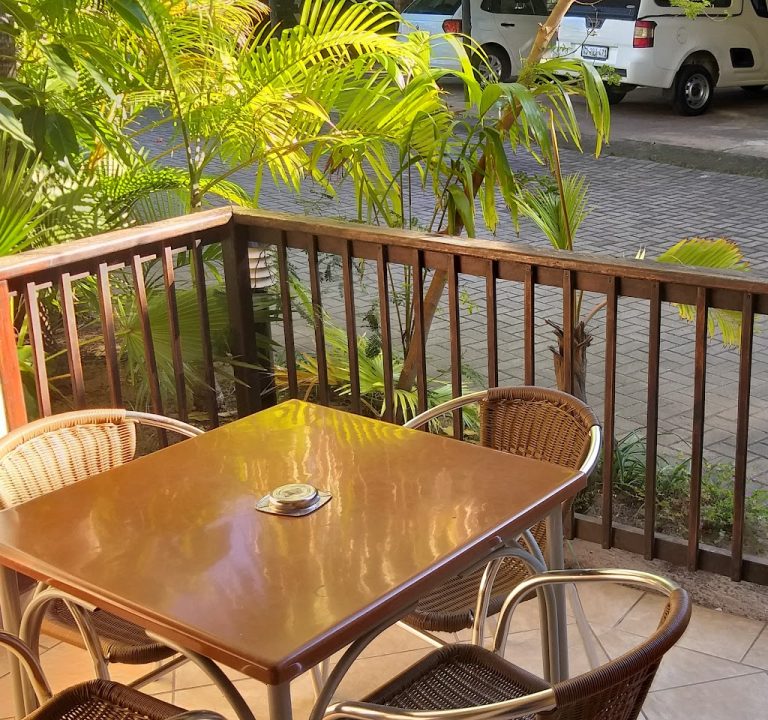
Typical amenities to look for include air conditioning or effective ceiling fans, private en-suite bathrooms, reliable hot water, in-room storage, and secure parking. A light or full buffet breakfast, access to a shared or private pool, and thoughtful touches such as a communal braai area or a shaded outdoor seating space can significantly enhance a stay. Some properties may offer guided walk routes on footpaths that lead to bird-watching spots or viewpoints. When choosing accommodation, also consider Wi‑Fi reliability if you need to stay connected, and whether the property is child-friendly or better suited to couples and adults.
Transport is straightforward for most visitors. A car is convenient for exploring beyond St Lucia town, including drives to coastal beaches, reserve gates and lookouts. The N2 highway offers a straightforward link to Richards Bay or Durban if you’re travelling from further afield. Local options for transfers, guided tours and boat safaris are common, and many lodges arrange these on request. Parking on-site is a practical perk for guests with rental vehicles. If you prefer not to drive, check whether your chosen accommodation organises day trips or has partnerships with reputable tour operators.
The best time to visit St Lucia depends on what you wish to experience. The dry winter months (roughly May to September) tend to attract birdwatchers and those on coastal walks, with cooler evenings and comfortable daytime temperatures. The period from July to December is notable for whale watching along the coast and estuary, when visiting boats and guides offer opportunities to observe these visiting giants from a respectful distance. Turtle nesting season, when marine turtles come ashore to lay eggs, typically runs across the warmer months into early summer, weather permitting. Rainfall generally peaks in the summer months, but tropical showers can be brief and refreshing rather than prolonged. If you’re planning specific activities, consult local guides or park authorities for any seasonal advisories or permit requirements.
When it comes to attractions, St Lucia’s draw is the natural landscape and wildlife experiences rather than fixed urban landmarks. The iSimangaliso Wetland Park, a UNESCO World Heritage site, offers wetlands, lakes and coastal habitats that support a diverse range of birds, reptiles and mammals. Boat safaris and guided walks regularly feature sightings of hippos, crocodiles and an array of shorebirds. The area is also a gateway to nearby reserves and coastal beaches, with trails and viewpoints that suit all fitness levels. For those with a culinary interest, the region’s dining scene concentrates on fresh seafood, seasonal produce and relaxed, hospitable service. Many restaurants emphasise local flavours and a friendly, informal atmosphere rather than formal dining experiences.
Practical planning tips for a smooth stay:
- Book accommodation well in advance for peak seasons, especially around school holidays and long weekends.
- Consider your preferred base: central St Lucia for easy access to shops and tours, or a quieter lodge further afield for a more secluded feel.
- Check what is included in your rate, such as breakfast, daily housekeeping, and parking. Some places offer kitchen facilities which enable cost-effective dining.
- Clarify accessibility and mobility options if applicable, particularly for properties with stairs or uneven paths.
- Ask about on-site facilities such as a pool, outdoor seating, or covered dining areas that can enhance evening relaxation.
- Plan a mix of activities: wildlife cruises, guided nature walks, village markets, and beach time to balance experiences with rest days.
- Respect local wildlife and environmental guidelines, especially in protected areas and during quiet hours in lodges.
- When using maps or GPS, carry up-to-date navigation software and plan for shaded or weather-free routes in rainy spells.
For reservations and planning, it helps to browse the official tourism pages and the websites of individual properties. You can discover a range of accommodation styles, from cosy B&Bs with hosts who offer practical tips to eco-lodges that prioritise sustainable practices. Visiting St Lucia offers a combination of comfortable stays, wildlife encounters and relaxed dining experiences that together create a memorable KwaZulu-Natal escape. For more information on current options and planning ideas, see reputable local visitor resources and the official tourism sites.