St Lucia, KwaZulu-Natal: accommodation, attractions, and practical planning tips
St Lucia in KwaZulu-Natal is a compact, laid‑back village at the edge of the iSimangaliso Wetland Park, a UNESCO World Heritage Site. Its mix of riverine scenery, warm tropical weather and easy access to wildlife experiences makes it popular with travellers seeking relaxation intertwined with outdoor adventures. When planning a stay, think about where you want to be based, how you prefer to spend your days, and how you’ll get around to the surrounding attractions and beaches.
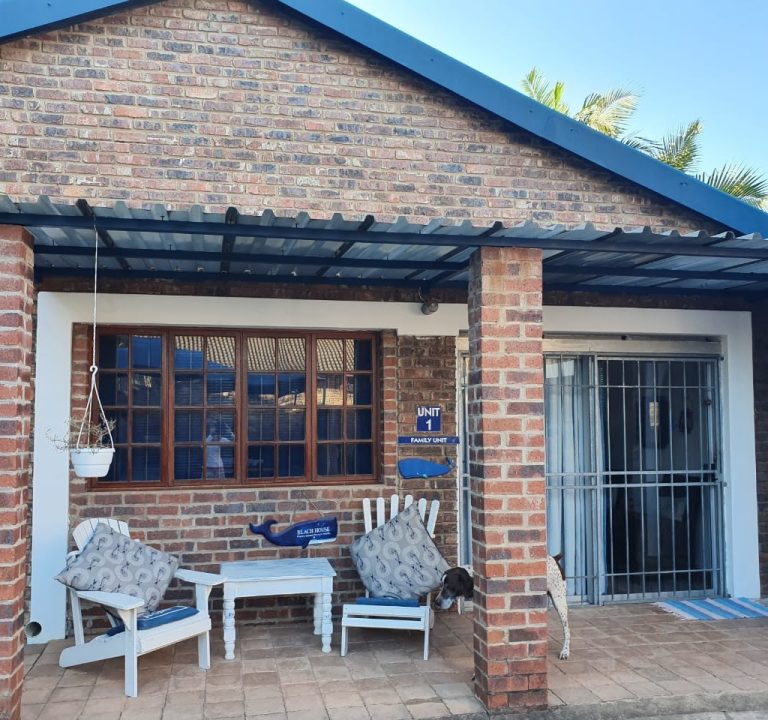
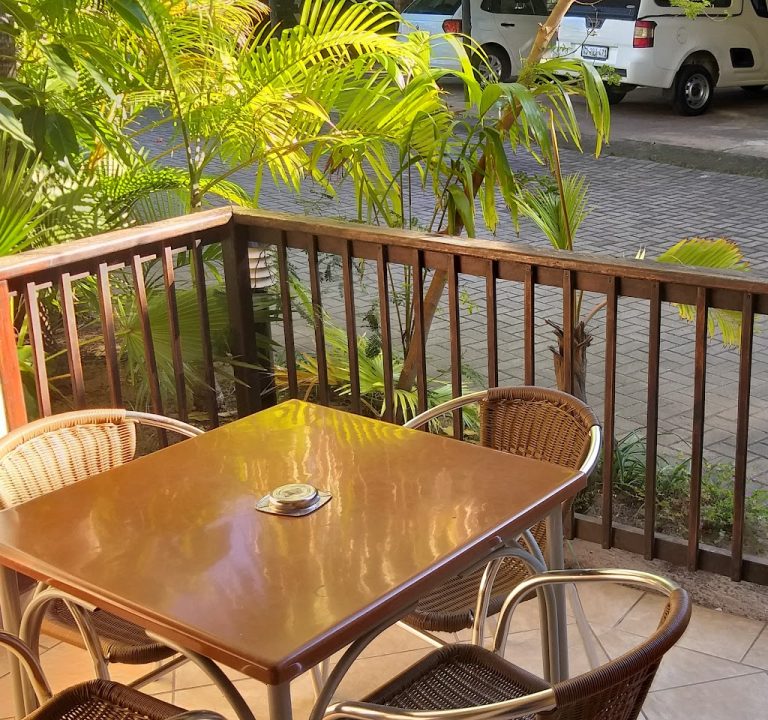
Accommodation in St Lucia covers a broad spectrum, from self‑catering apartments and guesthouses to boutique lodges and family‑run B&Bs. One convenient option for independent travellers is a self‑catering apartment, such as 64 Garrick Apartments. These types of stays offer flexibility for diners and day plans, with kitchens or kitchenettes, living spaces and often a terrace or balcony to enjoy balmy evenings. For guests seeking a touch more comfort with services like daily cleaning or on‑site facilities, consider guesthouses or small boutique lodges that place you close to the village centre and the river mouth.
Areas to consider when booking include the village core near the main pedestrian area, which gives easy access to shops, cafes and waterfront walks, and river or reserve viewpoints slightly inland, where wildlife may be seen from your balcony or a short drive away. If you prioritise movement by foot, a centrally located base reduces the need for long taxi or rideshare trips after dinner. Conversely, if you come with a car or hire one, you’ll have more choice for nature day trips and eco‑tours that radiate out to the surrounding wetlands, beaches and coastal reserves.
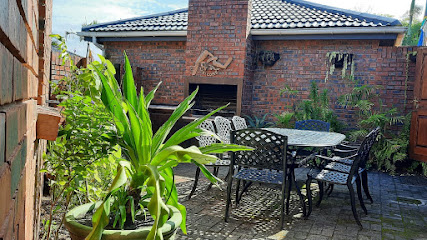
Key features to look for when booking include secure parking, air‑conditioning for hotter weeks, a kitchenette or well‑equipped kitchen, and reliable access to essential amenities such as supermarkets, medical facilities, and reputable restaurants. Some properties offer on‑site or nearby guided activities, which can be especially helpful for first‑timers to the area. If privacy and sun‑soaked outdoor space are high on your list, seek listings that include private verandas, patios or small garden areas where you can enjoy meals al fresco.
Transport in and around St Lucia is straightforward but should be planned with your itinerary in mind. Within the village, bicycles and short taxi hops cover most short hops between accommodation, beaches, and the waterfronts. For wider exploration—such as trips to the wetlands, sand dunes, or nearby coastal towns—having access to a car or arranging a guided tour is beneficial. If you prefer not to drive, check whether your accommodation can arrange airport or local transfers, or partner with reputable tour operators for day trips that include wildlife experiences and scenery without needing to navigate unfamiliar roads alone.
The best time to visit St Lucia depends on your priorities. The area experiences warm temperatures most of the year, with a peak tourist season during the southern hemisphere winter and spring when it’s mild and dry. The wetter months can bring lush landscapes and different wildlife viewing opportunities, though you may encounter heavier occasional rainfall. When planning outdoor activities such as boat safaris, nature walks or river cruises, consider booking part of your itinerary in advance during peak periods to secure preferred slots. Pack light layers for evenings, a sunhat for daytime, and comfortable footwear suitable for boardwalks and uneven paths around the reserve and beaches.
Activities and experiences span wildlife watching, boat trips on the adjacent waterways, forest and dune walks, and birding. Guided safaris and nature tours can help you encounter endemic birds, crocodiles, hippos, and other wildlife in sheltered, responsible settings. For travellers eager to combine nature with local culture, there are community‑run experiences and eco‑friendly tour options that showcase traditional crafts, coastal ecosystems, and the importance of conservation in the region. Dining within or near your accommodation is typically influenced by coastal flavours, with fresh seafood and South African favourites on many menus; many guesthouses and lodges curate curated dinner experiences, matching courses to the day’s discoveries and the setting sun over the water.
Practical tips to ensure a smooth stay:
- Book accommodation with a clear cancellation policy and flexible dates where possible, especially in shoulder seasons when weather is still agreeable but availability may vary.
- Check for on‑site facilities such as high‑quality bedding, reliable air‑conditioning, and safe, convenient parking if you are driving.
- Ask hosts or managers about access to water activities, boat trips, and guided park visits, including any equipment they provide or may rent locally.
- Confirm supermarket proximity and kitchen facilities if you choose a self‑catering option, to maximise convenience for breakfast and light meals before day trips.
- Prepare for outdoor days by packing sun protection, insect repellent, a compact rain jacket, and a small daypack for excursions.
- Respect the environment by following park rules, keeping to marked paths, and disposing of rubbish responsibly during nature outings.
If you are seeking a home base that balances creature comforts with access to pristine landscapes, St Lucia offers a range of accommodation styles designed to suit families, couples, and solo travellers alike. For further details on self‑catering options like 64 Garrick Apartments, you can explore the property’s dedicated site at Clever Hippos. Whether your plan is a relaxed river walk, a morning boat safari, or an afternoon exploring the village’s eateries, St Lucia provides a friendly, approachable gateway to KwaZulu‑Natal’s wild side and coastal charm.