St Lucia, KwaZulu-Natal: Accommodation, attractions, and planning your stay
St Lucia in KwaZulu-Natal is a compact, traveller-friendly base from which to explore one of South Africa’s most celebrated conservation areas. The town itself has a relaxed pace, while the surrounding wetlands and coast offer wildlife viewing, water activities and a gateway to longer adventures along the vast iSimangaliso Wetland Park. When planning a stay, consider both the character of the accommodation and the convenience of location for easy access to activities, eateries and day trips.
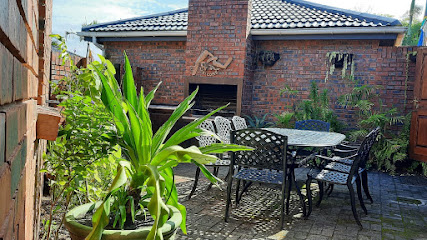
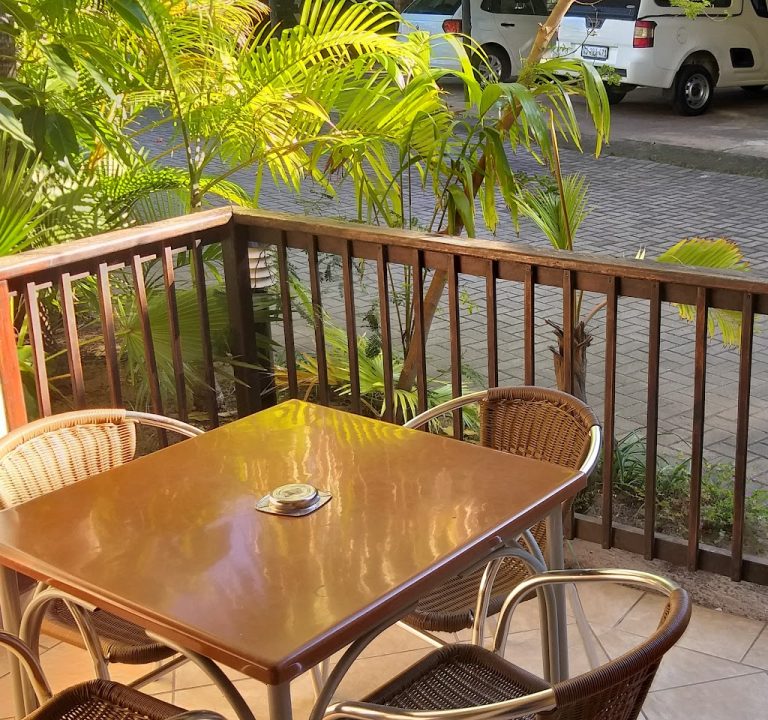
Accommodation in St Lucia ranges from cosy self-catering apartments to purpose-built guesthouses and holiday homes. For those seeking a home-away-from-home feel, holiday homes such as Fisherman’s Flat and House provide a flexible option with self-catering facilities, private outdoor spaces and easy access to both the town centre and nature reserves. Properties of this type are particularly popular for families and groups wanting to spread out, cook meals, and plan day trips at their own pace. When browsing options, look for clear, accurate photos, detailed room layouts, and information about parking, check-in procedures, and cleaning standards. A reliable website listing with guest reviews can add a helpful layer of assurance.
Areas to consider within and around St Lucia include the town centre for convenience, the riverfront where you may find views of the estuary and wildlife-spotting viewpoints, and nearby lodges or guesthouses that offer guided activities. If you prioritise wildlife access, a stay closer to the Estuary or within a property with easy access to boardwalks and trails can save time in your daily itineraries. For beach-minded visitors, a property near the shoreline provides morning walks and sunset views, while some visitors prefer staying inland for calmer evenings and easier parking.
Typical amenities to look for when booking include reliable Wi-Fi, secure parking, laundry facilities, and self-catering kitchens or kitchenettes. Many holiday homes and guesthouses in St Lucia offer inclusive or optional equipment such as barbecues, outdoor seating, and bike storage. Check whether amenities align with your plans: if you intend to cook most meals, a well-equipped kitchen and a supermarket within easy reach are important; if you plan guided tours, inquire about possible on-site or partner arrangements for early starts or packed lunches. A host or property manager who is responsive in advance and available during your stay can make a big difference to your overall experience.
Transport options influence how you structure your days. St Lucia is best explored with a car for flexibility, especially if you want to visit different beaches, estuary viewpoints, and the broader park areas at your own pace. If you don’t drive, look for accommodation near a reliable taxi service or shuttle options, and consult your host about local transfer arrangements. Public transport is limited in some parts of the region, so budgeting time for transfers is wise. The best way to approach day trips is to plan a few anchor activities—such as a morning wildlife excursion and an afternoon beach or boat-based trip—and allocate buffer time for weather changes or wildlife pauses.
Best time to visit St Lucia is shaped by wildlife encounters and weather preferences. The dry season from May to September tends to offer more predictable weather, with cooler mornings and pleasant daytime temperatures, which is ideal for boat safaris and walking tours. The wetter summer season, from October to April, brings lush landscapes and more birdlife, but also humidity and afternoon showers. If you are visiting for birdwatching or migratory species, the shoulder periods can be rewarding. Always prepare for variable conditions: lightweight rain gear, sun protection, and comfortable walking footwear make a practical trio for most itineraries.
When planning activities, you can expect a range of experiences presented in general terms by tour operators and local guides. Wildlife viewing within iSimangaliso is a major draw, with opportunities for boat trips, game drive-style safaris, and guided walks that explain wetland ecosystems, fish and bird life, and the importance of conservation. Beach and estuary activities commonly include swimming, kayaking, canoeing, and guided shoreline walks. For food and culture, local eateries offer a mix of seafood-forward dishes and pan-African inspired menus in relaxed settings. It is customary to check opening hours and dietary options ahead of time, and to respect environmental guidelines in protected areas, such as staying on marked paths and following wildlife safety instructions.
Practical tips to help you make the most of your stay:
- Book accommodation with clear cancellation policies, especially if your plans may shift with weather or wildlife activity.
- Choose a property with good lighting and secure parking for evening activities and early starts.
- Confirm proximity to the town centre, estuary access, and recommended trailheads or boat launch points.
- Pack a versatile wardrobe: lightweight layers for day trips, a warm layer for dawn boat safaris, and sun protection for midday exposure.
- Check the property’s guest information for local tips on wildlife-friendly viewing, entrances to parks, and disposal of waste in protected areas.
- Keep a flexible mindset for wildlife encounters; sightings are wonderful but not guaranteed, and patience often yields the best moments.
For a concrete example of what to consider when selecting a stay, consider a holiday home such as Fisherman’s Flat and House, which offers self-catering facilities and a practical layout for groups or families. You can browse its listing and book directly at https://book.nightsbridge.com/20907. Linking this kind of accommodation with a few well-timed excursions and dining options can help you balance calm downtime with memorable adventures in and around St Lucia.