Accommodation and Experiences in Cape Town, Western Cape
Cape Town is a destination that blends dramatic scenery with a welcoming sense of place. When planning a stay, consider neighbourhoods that match your pace and interests, from hillside guesthouses with sweeping views to bustling harbour side stays within walking distance of waterfront services. Whether you favour a cosy B&B, a stylish boutique hotel, or a guest house with a personal touch, there are options to suit every budget and itinerary.
Areas to consider include the City Bowl for convenient access to central sights and restaurants, the Atlantic Seaboard around Camps Bay and Clifton for beaches and sunset vistas, and Constantia or Tokai for greenery and wine experiences. Bo-Kaap offers colourful streets and cultural flavour, while the V&A Waterfront area is ideal if you value easy access to tours, marine activities, and superb entrances for day trips. If you are seeking tranquil gardens and straightforward transport links, a guest house in neighbouring suburbs can offer a restful base that still keeps you connected to the city’s highlights.
When choosing accommodation, think about what will make your stay easiest and most enjoyable. Look for clear information on parking if you are driving, or proximity to MyCiTi routes and taxi services if you plan to rely on public transport. Check whether the property offers breakfast, daily cleaning, and a front desk or on-site manager who can help with local tips. A guest house or B&B may provide a more personal experience with hosts who can suggest day trips, whereas a serviced apartment or hotel suite could offer more independence. For those visiting with family or groups, consider a property with multiple bedrooms, comfortable lounge areas, and kitchen facilities.
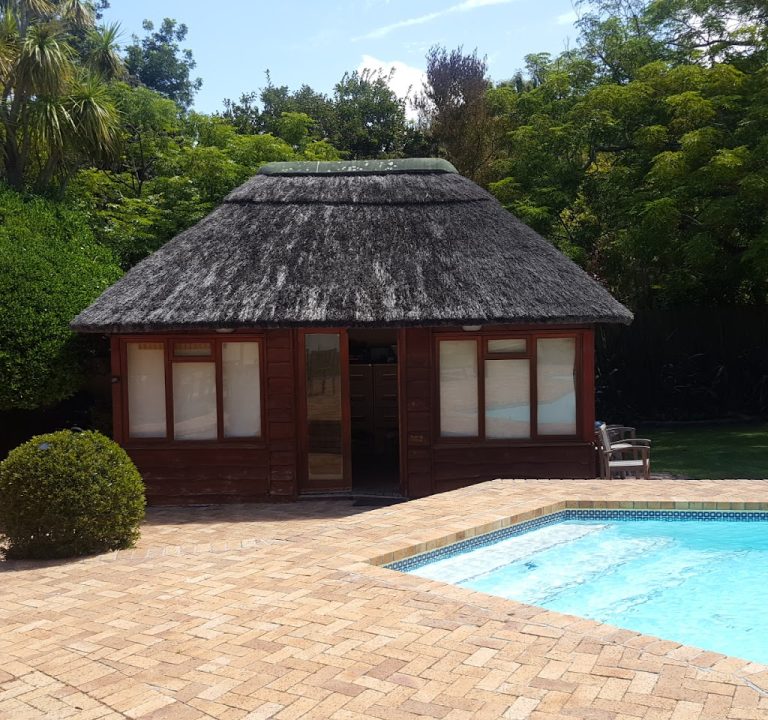
Typical amenities to expect in Cape Town accommodation include private or en-suite bathrooms, heating or air conditioning for seasonal comfort, free Wi-Fi, and secure access. Some properties feature outdoor spaces—courtyards, balconies, or pools—that are especially appealing in warm weather. If you are keen on a scenic stay, request a room with a view of the Table Mountain range or the Atlantic shoreline. For longer visits, a self-catering option or a hospitality-inclusive arrangement can provide flexibility for day-to-day meals while you explore the city's markets and eateries.
Practical planning tips can make a big difference. Book early for peak seasons, such as late autumn through spring when coastal conditions are at their best, and be mindful of weather patterns that influence outdoor plans. Pack layers for rapidly changing conditions—Cape Town summers are warm, but breezy coastal evenings can feel cool, and inland areas may be more fresh or windy. If you plan to visit wine country or the Cape Peninsula, consider a day trip that combines multiple stops and accounts for driving times. Always confirm check-in times and any access requirements in advance, and check whether the property offers guidance on safe walking routes after dark.
Transport around Cape Town is well supported by car hire, ride-hailing services, and public transit. Having a car offers freedom for out-of-town explorations, such as the Cape Peninsula as far as Cape Point, or the Constantia Valley’s cellar doors. If you prefer not to drive, look for accommodation near major transport links or hire services, and plan flexible itineraries that balance iconic attractions with downtime at a café or bar terrace.
Attractions and experiences during your stay can be enjoyed at a relaxed pace. Iconic landscapes include Table Mountain, often best appreciated from a cable car or scenic viewpoint, with weather permitting. The city’s harbours and coastal promenades provide easy access to sunset strolls and sea-front eateries. Museums and cultural centres offer insights into Cape Town’s history and contemporary life, while nature reserves and botanical gardens showcase the region’s biodiversity. For a balanced visit, pair outdoor adventures with leisurely meals at diverse restaurants that showcase seafood, regional produce, or farm-to-table concepts, alongside casual cafés and markets where you can sample local flavours.
For a comfortable base with a personal touch, consider guest houses that emphasise hospitality alongside practical amenities. A well-run guest house can provide useful local insights, endearing little touches, and personalised recommendations for day trips, hiking routes, or reputable dining options. An example within the city context is Longdown House, a guest house styled for travellers seeking a friendly, homely atmosphere while staying close to central amenities and convenient transport links.
Whether you are planning a short break or a longer stay, the key to a rewarding Cape Town visit is balanced planning: choose a neighbourhood that aligns with your interests, select accommodation that fits your comfort level and pace, and build in some flexible days for spontaneous discoveries. For more ideas on places to visit and practical tips, the official tourism site offers useful guidance and updates on events and routes around the region. Cape Town Tourism provides general information to help you design an itinerary that makes the most of your time in the Western Cape.
- Consider staying in a guest house or boutique hotel within walking distance of cafés and markets to experience everyday Cape Town life.
- Check parking availability and accessibility if you will be renting a car.
- Plan a mix of outdoor activities, scenic viewpoints, and relaxed meals to enjoy the city’s climate and cuisine.