Exploring Cape Town: where to stay and what to do
Cape Town offers a diverse range of places to base your stay, from boutique guest houses with homely touches to stylish hotels perched on dramatic coastlines. When planning your visit, think about how you want to spend your days and what pace of travel suits you. The city’s neighbourhoods each have their own character, so choosing the right area can shape your experience—from sun-drenched beaches and harbour views to buzzy urban quarters and leafy wine routes nearby.
Areas to consider include the Atlantic Seaboard, which runs along the shoreline and includes Camps Bay and Clifton. Here you’ll find timesless coastal walks, palm-lined promenades, and easy access to golden beaches. The City Bowl and the historic centre offer a compact base for exploring museums, markets, and vibrant street life, with numerous cafés and restaurants within walking distance. Constantia and nearby suburbs provide a more tranquil, leafy setting, well suited to guests who want proximity to world-class wine estates and mountain scenery. The V&A Waterfront is convenient for easy access to harbour viewpoints, shopping, and family-friendly activities, while Woodstock and Observatory offer a hip, artsy atmosphere with a growing mix of eateries and boutique stays. Consider your preferred balance of sea views, nightlife, and quiet streets when choosing an area for your stay.
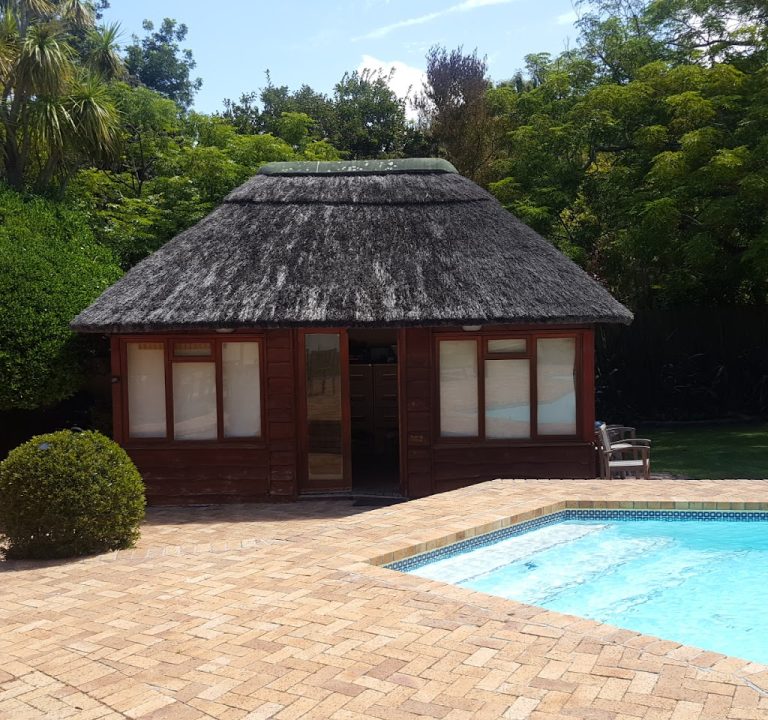
When booking accommodation, look for thoughtful touches that enhance convenience and comfort. A good guest house or hotel in Cape Town should offer clean, well‑maintained rooms, reliable heating or air conditioning, and a friendly reception that can assist with local tips. Practical amenities to expect include secure on‑site parking (where available), a reasonable breakfast offering, and clear guidance on nearby transport options. Some properties provide self‑catering facilities, access to private terraces or gardens, and a communal lounge or reading area for a relaxed atmosphere after a day of sightseeing. If you’re travelling with family or colleagues, check for family rooms or interconnected options, and enquire about mobility access if needed.
Transport in Cape Town is straightforward but varies by area. In the city centre and along the Atlantic Seaboard, many visitors rely on a combination of walks, ride‑hailing, and short taxi rides. For broader exploration, renting a car offers maximum flexibility, especially for day trips to the Cape Winelands, Table Mountain, or coastal towns. If you plan to use the MyCiTi bus system, verify how convenient it is from your chosen base. Some guest houses can arrange airport transfers or local guides, which can be a helpful way to get oriented without worrying about logistics on your first day.
The best time to visit Cape Town depends on what you want from your trip. Late spring and autumn (roughly September to November and March to May) offer mild weather, fewer crowds around popular sights, and comfortable conditions for outdoor activities. Summer (December to February) brings longer days and bustling beaches, while winter (June to August) can be cooler and windier, yet still a good time for city outings, wine tastings, and museum visits. Pack layers: mornings can be cool, with warmer afternoons, and be prepared for occasional sea breezes that are characteristic of the Cape.
Attractions and experiences are easy to tailor to different interests. Iconic sights such as dramatic coastlines, Table Mountain, and nearby nature reserves create a backdrop for scenic hikes, cable‑car rides, and wildlife‑spotting. In city neighbourhoods, you’ll find markets, galleries, and a myriad of dining options—from casual bistros to contemporary restaurants that highlight local ingredients. For a balanced itinerary, couple outdoor adventures with cultural stops and a few memorable eating experiences, while leaving room for spontaneous discoveries along the way. If you’re staying in a guest house such as Aurora Guest House, you may benefit from personal recommendations from hosts about hidden courtyards, local bookshops, or quiet terraces away from the main thoroughfares.
Food and drink are central to the Cape Town experience. Expect a vibrant restaurant scene that ranges from casual beachfront eateries to refined venues focusing on seasonal ingredients and global flavours. Local markets and eateries often prioritise fresh produce, seafood, and artisanal products, with menus that evolve with the seasons. When you dine out, you’ll find that wine regions nearby—especially the Constantia and nearby Constantia Valley—offer excellent pairings with meals, presenting a convenient day trip option if your stay includes more than a couple of days. For families and groups, look for places with warm, welcoming atmospheres, outdoor seating where possible, and easy access to public spaces or parks for post‑meal strolls.
- Choose an area that aligns with your preferred pace: beach and views, central access to sights, or a peaceful base near vineyards.
- Check for essential amenities: reliable climate control, a good breakfast, secure parking, and helpful staff or hosts.
- Consider transport needs: proximity to public transport or availability of airport transfers and flexible car hire options.
- Plan a balanced itinerary: mix outdoor activities with cultural experiences and time for relaxed meals with local ingredients.
- Factor in seasonal weather and crowds to tailor the best time for your visit.
Whether you’re drawn to a boutique guest house like Aurora Guest House or prefer a modern hotel with skyline or harbour views, Cape Town rewards thoughtful planning. By weighing neighbourhood character, practical comfort, and easy access to transport, you can craft a stay that blends relaxation with discovery—and return home with memories of dramatic coastlines, vibrant streets, and inspiring cuisine.