Accommodation and Experiences in Cape Town: Where to Stay and What to Do
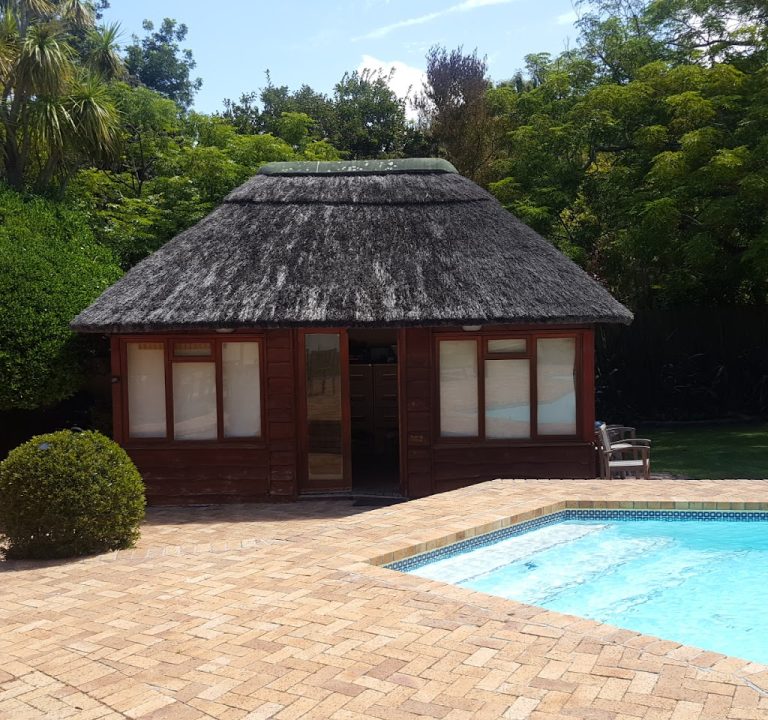
Cape Town, set between the Atlantic Ocean and a dramatic mountain backdrop, offers a rich tapestry of places to rest your head and activities to fill your days. When planning a stay, travellers should consider the character of each neighbourhood, the style of lodging, and how easy it is to access the sights that most interest them. From boutique B&Bs tucked along the hillsides to spacious guesthouses near the harbour, there are options to suit a range of budgets and travel styles. A few practical examples include indoor lodgings such as Airlie Cottage, which can provide a cosy base within the city centre, handy for explorers who want to come and go with ease.
Where to stay is often a balance between atmosphere and practicality. The City Bowl puts you within walking distance of museums, markets and viewpoints, and provides easy access to the city’s diverse dining scene. The Atlantic Seaboard, including areas like Camps Bay and Clifton, offers sun-kissed beaches, larger rooms or suites, and a more resort-like feel. Constantia and the southern suburbs provide leafy serenity, easy access to wine estates, and slower-paced days. When choosing an area, think about transit links to the places you most want to visit, your preferred pace, and whether you’d rather wake to city views or sea air.
Typical amenities to look for include complimentary Wi‑Fi, secure parking (if you’re driving), breakfast options, and in-room conveniences such as a tea-and-coffee station or a small workspace. Some properties offer self-catering facilities, which can be convenient for longer stays or families. If you’re visiting during peak season, check for flexible booking policies and clear information on cancellation. For travellers planning short stays, proximity to an airport shuttle, MyCiTi bus stops, or Metrorail links can make days run more smoothly. Consider whether the accommodation provides a 24-hour reception or helpful staff for late arrivals, especially if you’ll be returning after sunset from evening excursions.
When it comes to planning an agenda, Cape Town rewards a mix of natural splendour, historic neighbourhoods, and culinary variety. The iconic Table Mountain can be reached by hiking trails or a cable car, with the latter offering panoramic views of the coastline and city lights. The V&A Waterfront serves as a hub for shopping and leisurely strolls, with opportunities to understand maritime history and enjoy harbour-side eateries. Kirstenbosch National Botanical Garden offers shaded paths and seasonal flora tucked into the slopes of Table Mountain, while Cape Point and the neighbouring reserve provide dramatic coastal scenery and wildlife viewing. For a sense of heritage, a stroll through Bo-Kaap reveals vividly coloured houses and stories from Cape Malay culture, often accompanied by demonstrations or guided walks in the area.
Food and drink are a central pleasure in Cape Town. The dining scene spans casual bistros, fusion eateries and refined establishments. In general, you’ll find a strong emphasis on regional produce, sea flavours, and global influences. Coastal neighbourhoods tend to pair easy-going cafés with more formal dining options, while the city fringe can surprise with contemporary tasting menus and trendy venues. It’s common to book ahead for popular spots, particularly on weekends, and to explore a few different neighbourhoods to sample the breadth of available cuisine.
Getting around is straightforward, though planning ahead pays dividends. If you choose a central base, many attractions are walkable, and scenic viewpoints offer opportunities for short excursions. For longer day trips—such as wine-tasting in nearby Constantia, a visit to the Cape Peninsula or a trip to the Cape Winelands—consider renting a car or joining a guided tour. Public transport is available, but schedules can vary; many travellers prefer a mix of rideshare, taxi services, and organised excursions to maximise time and minimise hassle.
The best time to visit Cape Town depends on your priorities. Summer (November to March) brings dry, sunny days ideal for beach time and outdoor hikes, but it is also peak season, so expect crowds and higher rates. Spring and autumn offer pleasant weather with fewer crowds, and winter (June to August) can be cooler and windier, though it’s a good time for whale watching along the coastline and exploring museum-filled afternoons. If you’re planning outdoor activities, check sea conditions and wind forecasts, particularly for coastal drives and Table Mountain routes.
Practical tips for a smooth stay:
- Book accommodation with clear guidance on access to the area you’ll visit most; proximity to transport hubs can save time.
- Check away-from-home comforts such as air conditioning for hot summers or heating for cooler evenings.
- Look for properties with secure parking if you’re driving, or plan in advance for safe transport after dark.
- Separate day packs for different activities can help you move quickly between sunrise viewpoints, museums, and dining spots.
- Respect local safety advisories and stay aware of your surroundings, particularly in busy tourist areas after dark.
Whether you prefer a stylish apartment with city views, a cosy guesthouse near a bustling market, or a tranquil retreat close to vineyards, Cape Town’s accommodation spectrum is designed to complement a well-planned itinerary. Pair your stay with a mix of scenic drives, cultural explorations, and relaxed meals by the water, and you’ll craft a balanced visit that captures the essence of the Western Cape’s capital city.