Accommodation and experiences in Cape Town: where to stay and what to do
Cape Town, set beneath Table Mountain and along the Atlantic seaboard, offers a wide range of guesthouses, B&Bs and boutique hotels that suit all budgets and preferences. Whether you want a cosy seaside stay with sea views, a modern apartment in a pedestrian-friendly neighbourhood, or a leafy guesthouse near vineyards, planning around the right area can help you maximise your time and enjoy a relaxed experience in this dynamic city.
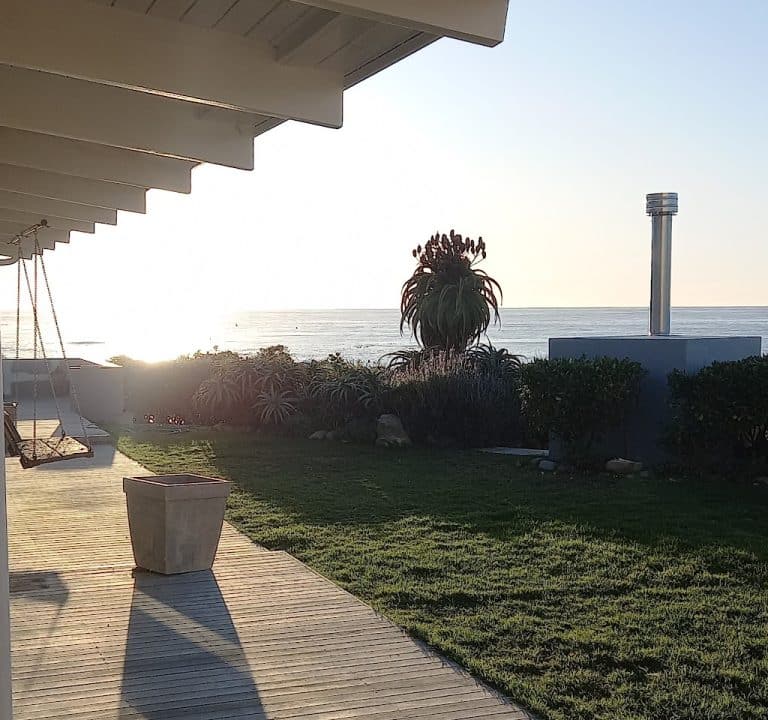
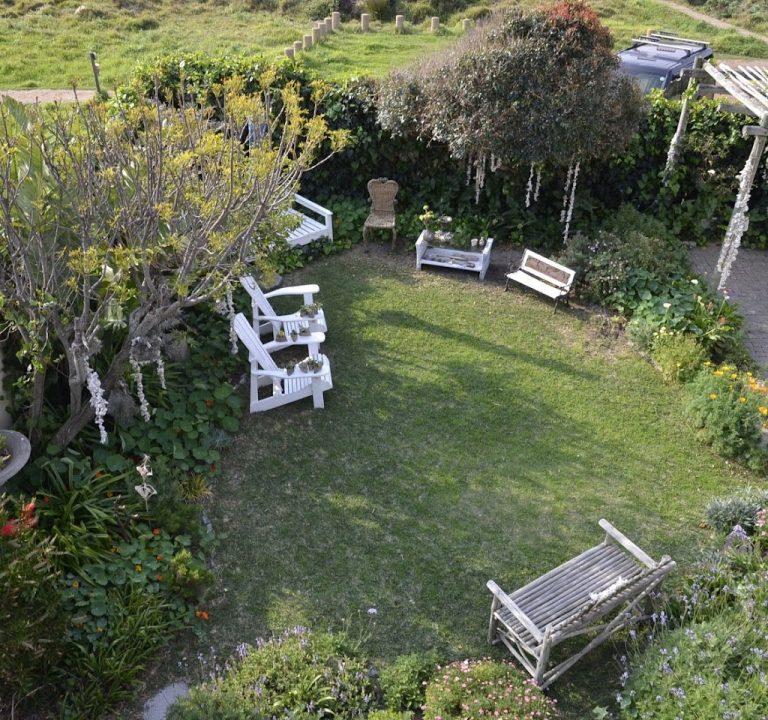
When considering where to stay, think about access to transport, the type of atmosphere you prefer, and how you plan to explore. The city centre and the historic Bo-Kaap area are convenient for museums, markets and nightlife, but you’ll also find chic seaside pockets along the Atlantic Seaboard, such as Green Point, Sea Point and Camps Bay, with easy access to beaches, coastal paths and restaurants. The Constantia Valley offers wine estates and a tranquil countryside feel, while Muizenberg and Noordhoek provide longer sandy beaches and a slower pace. If you’re traveling with family, a Guest house such as Long Beach Holiday House (a pleasant example in the region) can offer a home-from-home layout with communal spaces and breakfast options that suit different needs.
Typical amenities to look for when booking include complimentary or continental breakfast options, reliable Wi‑Fi, private or en-suite bathrooms, convenient parking or easy access to public transport, and facilities such as a pool, outdoor seating, and secure guest areas. In coastal areas, you may value sea-facing rooms, sun decks, and easy beach access. In quieter neighbourhoods, kitchens or self-catering facilities can be handy for flexibility, while guest houses with curations of local knowledge often provide suggestions for day trips, markets and seasonal happenings.
Transport is a practical consideration. Cape Town’s MyCiTi bus network is an economical way to move around, and many areas near the city centre are walkable or bike-friendly. Car hire remains popular for exploring beyond the city, such as the Cape Peninsula route to Cape Point or the Constantia wine route. If you prefer a lighter schedule, many guest houses arrange guided walks, market tours and short private excursions that showcase the city’s diverse highlights while keeping the pace comfortable for you.
Best time to visit Cape Town depends on your priorities. The climate is mild to warm for most of the year, but the peak tourist season runs from late spring to early autumn (roughly October to April). This is when long, sunny days and sea temperatures draw visitors to beaches and outdoor activities. If you prefer fewer crowds and cooler weather for hiking or wine country visits, consider the shoulder seasons (September to November or February to April). Always check wind and rain patterns for the period you plan to travel, as coastal weather can change quickly, especially around the Cape Point peninsula and the Atlantic coast.
Attractions and experiences sit at the heart of any Cape Town stay, and you’ll find a blend of natural beauty, history and culture. Iconic viewpoints and nature walks are easy from many accommodation bases: a cable car ride up Table Mountain (subject to weather), strolls along the Sea Point promenade, and visits to the Kirstenbosch National Botanical Garden are popular for all ages. The city also offers remarkable ocean and harbour scenery, coastal drives, and quiet vineyards nearby. Beyond nature, you’ll discover museums and galleries that tell the story of the city and its diverse communities. If you prefer a relaxed day, market strolls, café lunches, and waterfront promenades offer a gentle way to soak up the atmosphere without long travel times from your stay.
Dining in Cape Town ranges from casual seafood shacks along the coast to stylish, ingredient-led restaurants in central and leafy suburbs. Expect fresh seafood, bistro-style menus, and contemporary dishes that reflect the region’s blend of cultures. In addition to standout eateries, consider planning visits to local markets and food halls where seasonal produce, baked goods, and artisanal foods are showcased. If you enjoy a guided tasting, some guest houses can arrange cellar visits at nearby wine estates or chef-led experiences that highlight regional flavours.
Helpful planning tips to make the most of your stay:
- Book a base with easy access to public transport or parking, and near the sights you most want to explore.
- Check for included breakfast, self-catering facilities, and secure on-site parking if you’ll be driving.
- Ask about guest recommendations for day trips, markets, and walking routes to ensure you see the areas you’re most drawn to.
- Prepare for variable weather by packing layers, sunscreen and a light rain jacket, even in warmer months.
- Plan at least one full day for the Cape Peninsula or a wine estate circuit to balance nature, scenery and relaxation.
Whether you prioritise comfort, location or local character, Cape Town’s accommodation landscape offers options that can tailor a stay to your pace and interests. A stay in a guest house such as Long Beach Holiday House can provide a welcoming base with thoughtful amenities, while nearby neighbourhoods offer varied access to beaches, markets and hikes. With careful planning around areas, transport and seasonal timing, you can enjoy a memorable, well-paced visit that blends relaxation with the city’s vibrant energy. For further inspiration and practical planning, you can explore official tourism resources and hospitality sites that curate up-to-date information on lodging options and travel tips across the Western Cape region.