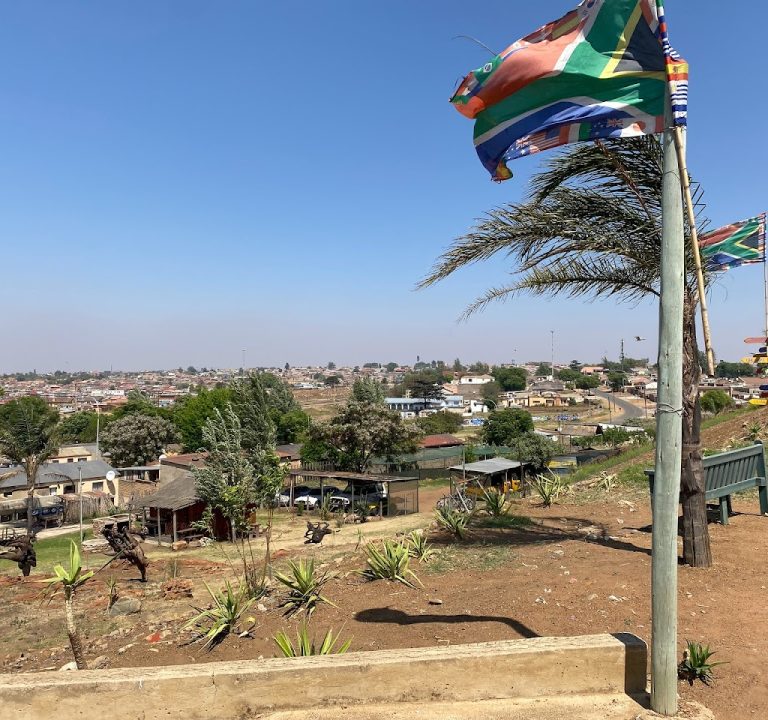
Johannesburg: A Guide to Accommodation, Getting Around, and Things to Do
Johannesburg, often called Jo’burg or Jozi, is a vibrant hub of culture, history and modern life. When planning a stay in Gauteng’s largest city, choosing the right neighbourhood and a comfortable base is key to making the most of your visit. Whether you prefer stylish boutique stays, practical guest houses or family-friendly hotels, the city offers a range of options to suit different itineraries and budgets.
Areas to consider when booking
- City centre and Braamfontein: Proximity to museums, theatres, and a lively dining scene, with easy access to public transport and nightlife. This area suits travellers who want to be in the heart of the action and do not mind a busier pace.
- Rosebank and Rosebank Ridge: A well-connected hub with shopping, markets, and a wide range of dining options. It often combines convenience with a calmer street life than central districts.
- Sandton and Sandton City area: Ideal for business travellers and shoppers, with modern hotels, high-end retailers and reliable transport links to other parts of the city.
- Maboneng and the inner city fringe: A creative, walkable district full of galleries, street art, eateries and a developing range of boutique lodgings and guest houses.
- Randburg, Fourways and surrounding suburbs: A good choice for families or visitors seeking quieter residential settings with easy access to parks, parks and outdoor areas.
What to look for when booking
- Security and lighting: Ensure entry systems and exterior lighting are adequate, especially if you’ll be returning late in the evening.
- Transport access: Check proximity to reliable public transport options such as trains, buses or ride-hailing services. Ask about shuttle arrangements or parking if you will hire a car.
- Amenities and practicalities: Confirm at check-in what is included in the rate—free Wi‑Fi, breakfast options, self-catering facilities, laundry services, and whether there is 24-hour reception.
- Room type and layout: If you are travelling with family or a group, request a room or suite with enough space, and consider noise levels from busy streets or nearby venues.
- Cancellation terms: Seasonal city travel can be unpredictable, so knowing the policy helps when plans change.
- Local knowledge: Properties that offer recommendations for day trips, markets, and safe places to explore can be particularly valuable.
Typical amenities you might encounter
- Comfortable en-suite bedrooms with air conditioning or ceiling fans, depending on the season.
- Free Wi‑Fi, workspaces or desks in rooms for guests with business needs.
- Self-catering or breakfast-included options, with private dining spaces or lounge areas.
- A small garden or outdoor seating area where guests can relax after a day of exploring.
- Access to on-site or nearby parking, and sometimes a shared kitchen or communal dining room.
Transport, timing and planning
Johannesburg operates on a mix of public and private transport. The Gautrain links the city centre with the suburbs and Pretoria, offering a fast option for day trips or airport access. Local bus networks and ride-hailing services provide flexibility for shorter journeys. If you are staying in a central or well-connected area, you may be able to walk to several attractions and dining options, reducing the need for frequent car use. Remember that traffic volumes can be high during peak hours, so plan travel times to avoid delays when attending bookings or tours.
Best time to visit
Johannesburg experiences a temperate climate. The shoulder seasons—spring and autumn—often bring pleasant temperatures and fewer crowds, while winter can be cool, and summer days may include thundershowers. Outdoor markets, rooftop bars and cultural events can feel particularly lively when the weather is mild. If you plan to visit outdoor attractions or do day trips to nearby townships or natural areas, check the forecast and pack layers, comfortable footwear and a lightweight rain jacket.
Practical tips for travellers
- Safety: Be mindful of your belongings in crowded areas and use trusted transport options, especially after dark. Stay in well-reviewed neighbourhoods and contact your accommodation for area-specific advice.
- Dining: Johannesburg’s dining scene ranges from street-food stalls to contemporary eateries. If you have dietary requirements, check menus in advance or ask staff for options upon arrival.
- Local experiences: Consider guided tours or experiences that offer insight into the city’s history, culture and daily life. These can provide a safer and more informative way to explore townships, markets and neighbourhoods outside central areas.
- Londi’s Guest House: A guest house option to consider for visitors seeking a more personal stay. Such properties often offer a homely atmosphere and insider tips on local highlights and transport connections.
Nearby attractions and experiences, in general terms, include museums and historical sites that tell the story of South Africa’s past, markets and creative quarters that showcase contemporary art and design, and parks or viewpoints that capture the city’s skyline and urban landscape. When planning your itinerary, mix cultural visits with relaxed stays and time to simply stroll, coffee in hand, and observe daily life in Jo’burg’s varied and welcoming streets. With the right base, your Johannesburg visit can be an engaging blend of history, modernity and genuine hospitality.