Johannesburg: accommodation, attractions and practical planning for your stay
Johannesburg, often known simply as Jo’burg or Jozi, offers a dynamic mix of modern hotels, boutique guesthouses and self-catering stays that suit a range of budgets and travel styles. When planning your visit, consider which neighbourhood best matches your interests—whether you want easy access to business districts, museums and dining, or a vibrant street-life and cultural scene. The city sits in Gauteng, South Africa’s bustling inland province, and is a strong base for exploring both urban culture and nearby natural landscapes.
Areas to consider for accommodation include the central business district and nearby suburbs, which place you close to museums, markets and galleries, as well as upmarket districts that offer contemporary amenities and safer, well-managed properties. Melville, Rosebank, Sandton and Maboneng are popular for travellers seeking a balance of character, transport links and neighbourhood cafés. Soweto is well worth a stay for those interested in history and authentic local experiences, provided the accommodation offers reliable safety and organised activities. When selecting a place to stay, think about access to public transport or reliable taxi services, on-site parking if you’re driving, and whether breakfast or kitchen facilities are important to your plans.
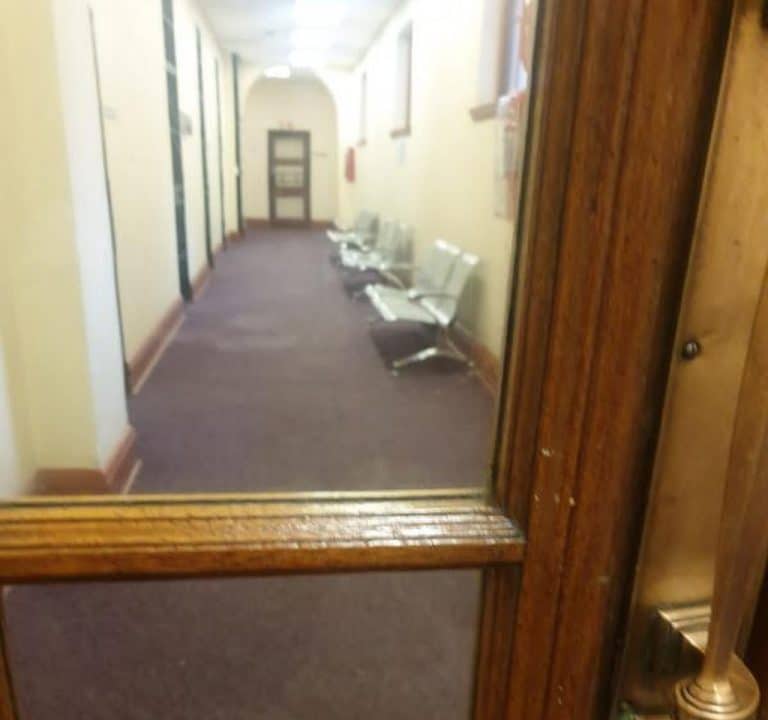
Typical amenities to look for include free and reliable Wi‑Fi, 24-hour reception or security, on-site or nearby dining options, and laundry facilities for longer trips. A well-equipped kitchen or kitchenette is particularly handy for travellers who prefer to prepare some meals, while a swimming pool or outdoor space can enhance downtime between sightseeing. Clean, well-lit common areas and clear safety information are also worth noting, as is easy access to luggage storage if you arrive early or depart late.
Transport in Johannesburg is well served by the Gautrain, a rapid rail link that connects to the airport and other major hubs, as well as a network of taxis and ride-hailing services. When booking, check how close your accommodation is to a Gautrain station or major bus routes, and whether the property offers airport transfers or shuttle options. If you plan to hire a car, confirm parking arrangements and whether there are any restrictions in the surrounding streets. For day trips to attractions on the outskirts, a flexible base with good road links can make planning easier.
The best time to visit Johannesburg generally spans March to May and September to November, when the weather is milder and city events are plentiful. Summers (roughly November to February) can be hot and occasionally rainy, while winters are cool but usually dry. If you’re visiting for specific events, check calendars in advance, but be prepared for prices that rise during peak periods. Pack layers to adapt to changing temperatures between days and evenings, and bring comfortable walking shoes for exploring varied neighbourhoods, markets and museums.
When planning activities, mix indoor and outdoor experiences to suit weather and energy levels. Johannesburg offers world-class museums and cultural centres, galleries, markets, and visitor-friendly tours that provide context about the city’s history and contemporary life. For outdoors lovers, consider day trips to nearby nature reserves or hills for scenic views and walking trails. If you’d like a taste of local life, explore markets and neighbourhood eateries that showcase a range of cuisines and crafts, keeping in mind safe dining practices and reputable venues.
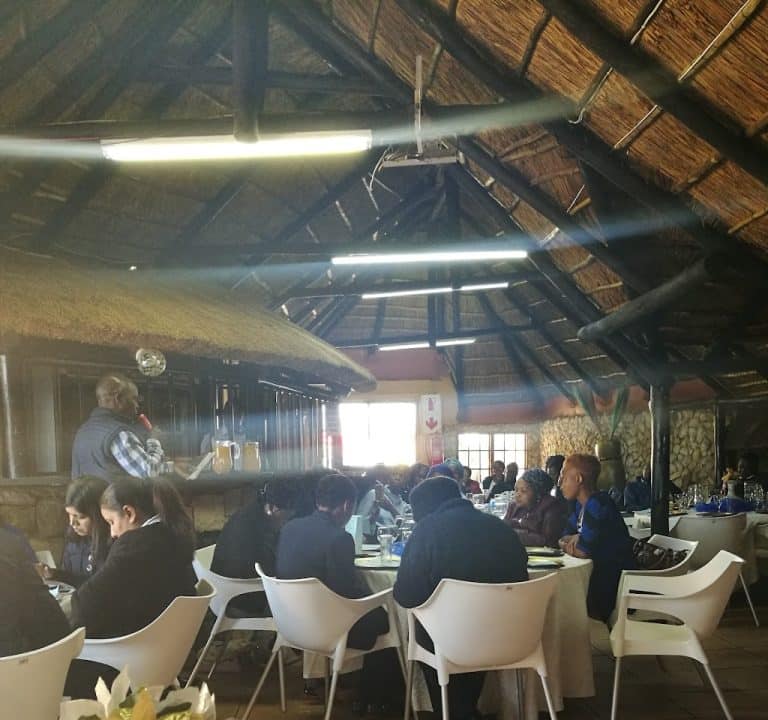
Dining in Johannesburg ranges from casual cafés to refined restaurants and international cuisine. Many accommodation providers can recommend reliable options and offer curated experiences, from food-focused walks to guided neighbourhood tours. Whether you crave a classic South African braai (barbecue) atmosphere or contemporary dining with global flavours, you’ll find venues that suit different moods and budgets. If you’re staying in a self-catering setup, you may also enjoy a mix of grocery shopping and in-house meals to balance evenings out with restful downtime.
Booking tips to help you plan a smoother stay:
- Read recent guest reviews to gauge safety, cleanliness, and the reliability of any on-site services.
- Confirm what is included in the rate (breakfast, parking, Wi‑Fi, housekeeping) and what additional charges may apply.
- Ask about access times, late arrivals and exemplary safety measures for the property and surrounding area.
- Check cancellation policies and whether the host offers flexible options in case plans change.
- Inquire about proximity to transport hubs (Gautrain stations, bus routes) and recommended local tricks for getting around.
Practical tips to maximise your stay include using reputable booking platforms that highlight verified listings, and taking note of the property’s neighbourhood map and safety guidance. Bring a compact power adapter suitable for South African outlets, and ensure you have a plan for currency and card payments. While Johannesburg is generally welcoming to visitors, stay aware of your surroundings, especially after dark in unfamiliar areas, and avoid displaying valuables in public places. With thoughtful preparation, your Johannesburg stay can be both comfortable and rewarding, pairing well-located accommodation with easy access to culture, cuisine and local character.