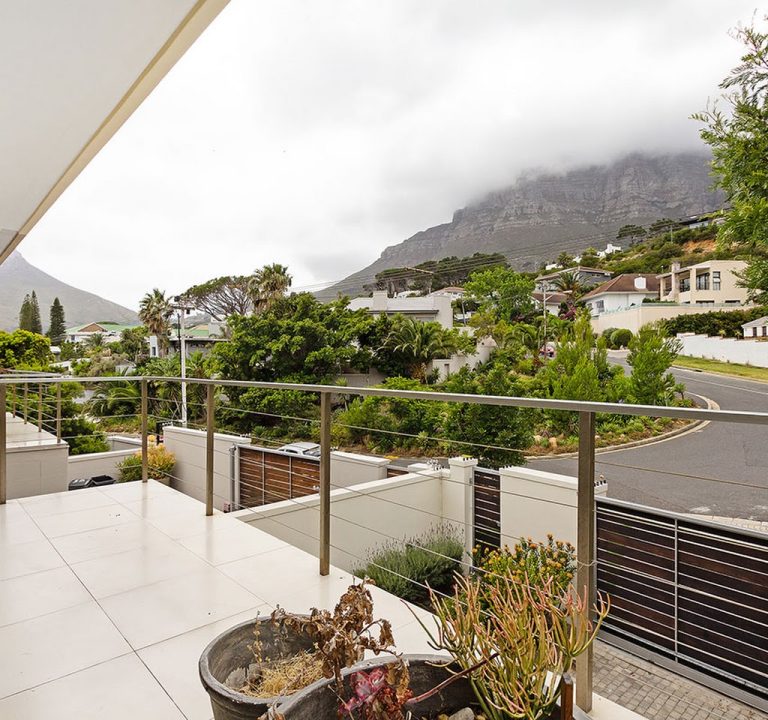
Accommodation and Attractions in Cape Town: A Practical Guide for Visitors
Cape Town is a diverse and welcoming destination that combines natural splendour with vibrant neighbourhoods, making it ideal for a varied stay. Whether you are seeking intimate boutique guest houses, stylish waterfront lodges, or family-friendly stays near the Atlantic Seaboard, planning ahead will help you make the most of your time in this iconic city.
When choosing where to stay, consider the pace and focus of your visit. For easy access to beaches, sunsets, and trendy cafés, Camps Bay and the Atlantic Seaboard offer scenic scenery and a cosmopolitan vibe. If you prefer a sense of history and easy access to the city centre, the V&A Waterfront area or the Bo-Kaap can be convenient bases. For a quieter, leafy ambience with convenient road access to the Peninsula’s natural wonders, a suburb such as Constantia or homes near Table Mountain can be ideal. Notable guest houses in popular zones often aim to balance comfort with easy transport links and thoughtful touches that reflect Cape Town’s hospitality culture.
Accommodation in Cape Town ranges from intimate guest houses to contemporary boutique hotels. Look for hosts who provide clear details about rooms, en suites, dietary options, and local recommendations. Typical amenities you might encounter include private or shared lounges, complimentary Wi-Fi, secure parking, breakfast options, and bottle-friendly fridges for self-catering guests. For longer stays, walkable neighbourhoods with nearby shops and public transport access can save time and add convenience. If you rely on a car, confirm off-street parking or easy street parking rules, and check whether the property offers shuttle services to popular hubs or the airport.
A thoughtful plan starts with timing. Cape Town experiences its peak tourist season in the southern hemisphere summer, from December to February, when days are longer and the sea is warmer. Spring and autumn can be excellent for milder weather and fewer crowds, ideal for outdoor activities such as hiking Table Mountain or exploring coastal paths. Winter (June to August) brings cooler, wetter days, which can be perfect for museum visits, culinary tours, and indoor experiences. Consider the season when booking your stay to align your itinerary with expected conditions and pricing fluctuations.
Transport is a practical consideration in Cape Town. A car provides maximum flexibility for exploring the Cape Peninsula, winelands, and coastal routes, but many areas are well-served by MyCiTi buses and ride-hailing services. If you prefer a car-free stay, choose a central base near links to major sights and plan with time buffers for peak traffic. Some guest houses may offer airport transfers or local shuttle options, which can simplify logistics after a long flight. When budgeting, remember to factor in travel times between attractions, as some routes offer stunning scenery but can take longer than expected depending on traffic and weather.
Food and drink are integral to the Cape Town experience. In most areas, you will find an array of casual eateries, bustling markets, and refined restaurants that showcase local produce and global influences. Many guest houses include breakfast, and some may offer evening meals or recommendations for nearby dining. A visit to a coastal wine region day trip can combine scenery with tasting experiences, while a neighbourhood stroll can uncover hidden coffee spots and traditional bakeries. Always check dietary needs with your host or reception in advance to ensure you have suitable options during your stay.
Practical tips to enhance your stay:
- Read guest reviews carefully to gauge consistency in cleanliness, service, and punctuality of breakfast or housekeeping schedules.
- Ask about the best local transport routes and safety tips for night-time trips back to your accommodation.
- Pack layers; Cape Town’s coastal climate can shift quickly, especially near the water and at higher elevations.
- Plan essential day trips with flexibility for weather changes, particularly if including outdoor activities such as hiking or coastal drives.
- Check if the property offers guided experiences or curated recommendations for neighbourhood walks, markets, or food tours.
One example of a guest house that reflects Cape Town’s character is Lemontree Cottage Camps Bay. Set in the heart of a scenic seaside neighbourhood, it highlights comfortable room setups, a welcoming atmosphere, and a location that makes access to the beachfront and local cafés straightforward. For guests seeking a respectful balance of privacy and personalised tips, such properties can be a reliable base from which to explore the city’s broader offerings. You can find more information about Lemontree Cottage Camps Bay on its official website: https://lemontreecottage.co.za/
Key attractions and experiences to consider during your stay include breathtaking viewpoints along the Atlantic coast, accessible hiking routes on Table Mountain, and cultural and historical quarters that reveal the city’s rich legacy. While specific venues and prices are subject to change, most visitors plan time to enjoy panoramic coastal drives, a visit to the historic districts, and opportunities to taste Cape Town’s seafood, wines, and diverse culinary scene. An itinerary that balances outdoor adventures with relaxed afternoons in cafés or markets tends to work well for many travellers.
In short, Cape Town rewards visitors who couple thoughtful accommodation choices with a well-paced plan. By selecting a neighbourhood that suits your energy—whether it is easy access to beaches, proximity to the city’s attractions, or a peaceful setting away from the bustle—you can tailor a stay that feels both effortless and enriching. With the right mix of comfort, practicality, and local insights, your Cape Town trip can be as restorative as it is inspiring.