Accommodation and Experiences in Cape Town: Where to Stay and What to Do
Cape Town sits at the meeting point of dramatic landscapes, vibrant culture and a coastline that ranges from sandy beaches to rugged cliffs. When planning a stay, consider which neighbourhood best fits your rhythm—whether you want panoramic harbour views, a walkable city centre, or a quieter neighbourhood inland. The city offers a wide range of options from intimate guest houses and boutique bungalows to comfortable guesthouses and sea-facing hotels. The key is to balance comfort with convenience, so you can make the most of every day in this diverse destination.
Areas to consider for accommodation
City Centre and the V&A Waterfront are ideal if you want proximity to museums, galleries, restaurants, and easy access to hop-on hop-off tours and transit hubs. The Atlantic Seaboard, including Camps Bay and Clifton, is popular for those seeking stylish settings with sunset views and easy access to beaches and coastal walks. For a quieter, leafy atmosphere with easy access to hiking and wine country, Constantia and the Southern Suburbs offer leafy lanes, wine estates and a slower pace. Noordhoek and Simon’s Town provide a more relaxed, scenic base for nature lovers and marine outings. Each area has its own flavour, so think about how long you want to travel each day to reach attractions such as Table Mountain, Cape Point, or the Cape Peninsula’s coastal routes.
What to look for when booking
- Location relative to your planned activities and available transport options
- Type of accommodation (guest house, boutique hotel, self-catering, or B&B) and room layouts
- Amenities that matter to you (breakfast options, parking, Wi-Fi, laundry facilities, private entrances, pools or outdoor spaces)
- Access to scenic spots or natural walks, and proximity to reliable transport links
- Cancellation policies and flexibility, especially for seasonal changes
Typical amenities you might encounter
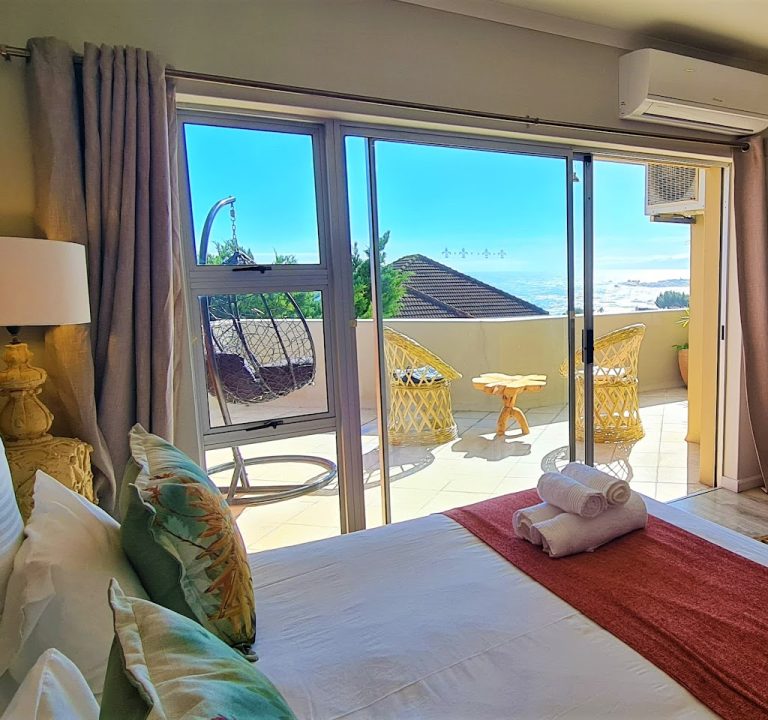
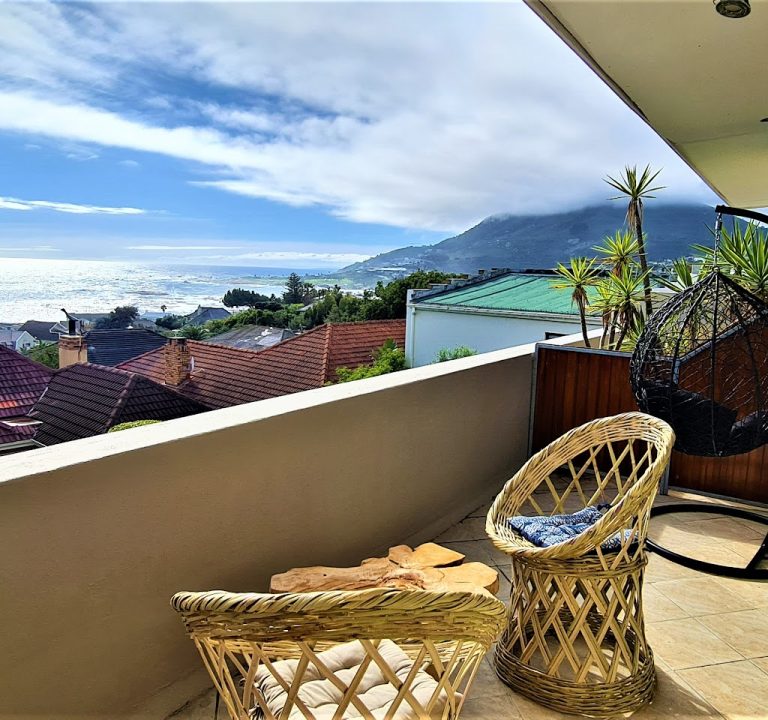
Many guest houses and boutique hotels in Cape Town offer warm, personalised service with breakfast included, either continental or cooked-to-order. Expect well-appointed en-suite rooms, dependable Wi‑Fi, and attention to local details such as cosy lounges, outdoor terraces, and sea or mountain views. Some properties provide secure parking, shuttle services to popular tourist hubs, and curated recommendations for self-guided walks, wine tastings, and day trips. If you value sustainability, you’ll find properties that emphasise energy efficiency, local sourcing, and waste reduction practices. For longer stays, consider self-catering options with kitchen facilities and separate living spaces, which can be convenient for families or groups.
Transport and getting around
Cape Town’s layout makes walking feasible in central areas, but for longer distances a car or rideshare app is often the most convenient option. The MyCiTi bus network covers many tourist zones with reliable routes, while some guest houses can arrange airport transfers or private drivers. If you plan to visit Table Mountain, the lower cableway station is well connected from central Cape Town, and many tours depart from the V&A Waterfront or city hotels. The coastal routes along the Atlantic Seaboard are particularly scenic by car or on organised day trips, while wine routes are best explored by car or guided tours from Cape Town itself.
Best time to visit and practical tips
South Africa’s seasons are the reverse of Europe’s. The summer months (November to March) offer warm days and longer daylight, perfect for outdoor activities, beaches, and wine tours. Winter (June to August) brings cooler, wetter weather and lush green landscapes, with good conditions for fewer crowds and a different perceptual beauty. Spring and autumn are mild and often comfortable for outdoor exploration. Practical tips include packing layers for varied temperatures, sun protection for day trips along the coast, and comfortable footwear for hiking or strolling city streets. If you are planning to hike or take scenic drives, begin early to beat crowds and afternoon heat, and always check local forecasts for coastal or mountain conditions.
What to do: attractions, experiences and dining in general terms
Cape Town offers a mix of outdoor adventures, cultural experiences and culinary moments. Iconic viewpoints and natural landmarks are within reach—think sunrise or sunset outings to vantage points overlooking the city, harbour and mountains. Easy day trips include coastal drives along the peninsula with opportunities for wildlife watching, lighthouse visits, and sheltered beaches. Museums and historic sites provide insight into South Africa’s rich heritage, while markets and arts districts showcase local crafts, design and food stalls. Dining ranges from casual bistros serving seasonal seafood and farm-to-table dishes to more refined eateries with contemporary takes on South African flavours. In terms of dining, plan around reservations in peak seasons and consider meadow-to-table or coastal-inspired menus for a sense of place. There are many venues offering views, whether over the ocean, the harbour, or the city skyline, making Cape Town a rewarding backdrop for gastronomic experiences as well as casual meals.
Practical planning tips for a satisfying stay
- Book accommodation with easy access to a reliable transport option or with on-site parking if you plan to hire a car.
- Prioritise places that can help you plan day trips, such as a reception with local itineraries or partnerships with tour operators for safe, well-organised excursions.
- Allocate a couple of evenings for exploring the city’s culinary scene, from casual markets and coffee houses to more formal dining rooms, without over-scheduling your days.
- Check for safety information and accessibility notes, especially if you plan to explore the coastline or rugged terrain on your own. A host or guest house staff can usually offer practical tips on safe routes and preferred times for activities.
In short, Cape Town rewards careful planning with a blend of relaxation, nature and culture. By choosing a neighbourhood that aligns with your interests, selecting a comfortable base with thoughtful amenities, and carving out time for both iconic sights and hidden local gems, you can craft a stay that feels both effortless and special. For more inspiration on where to base your stay and how to structure your days, explore official tourism resources and trusted travel guides online.