Cape Town stays: accommodation planning, areas, and essential experiences
Cape Town is a city of contrasts, where cosmopolitan energy sits beside dramatic nature. When planning a stay, you’ll want to balance convenience with character: close proximity to shorelines, access to mountain viewpoints, and easy routes to the city’s renowned attractions. The range of accommodation—from boutique B&Bs and stylish hotels to self-catering flats and guesthouses—means there is something to suit most budgets and travel styles.
Key areas to consider when booking your stay include the Atlantic Seaboard, the City Bowl and surrounding inner suburbs, the Constantia Valley, and the southern fringe near Muizenberg or the Kirstenbosch region. The Atlantic Seaboard coastal strip (Sea Point, Green Point, Camps Bay) offers dramatic sea views and gentle walks along the promenade, with many modern hotels and serviced apartments that suit travellers who value quick beach access and fashionable dining scenes. The City Bowl and the V&A Waterfront area place you within walking distance of museums, markets, and a mix of eateries, with convenient links to the cable car that climbs Table Mountain. For a more rural, tranquil retreat, Constantia blends vineyards with leafy estates, while the southern suburbs provide easier access to beaches and nature reserves.
When it comes to what to look for during booking, consider a few practical details. Firstly, gauge the proximity to your planned activities and transport options. If you intend to spend long days visiting Table Mountain, Robben Island, or the Winelands, a base with straightforward access to the major routes or public transport will save time. Secondly, check for the essentials: reliable Wi‑Fi, air conditioning or heating, a private bathroom, and a well-equipped kitchen or self-catering facilities if you prefer a home-from-home stay. Thirdly, think about security and convenience: secure entry systems, on-site parking if you’re driving, and staff who can assist with tours, restaurant bookings, and refunds in case of weather-related changes. For families or longer stays, look for apartment-style options with separate living and sleeping areas, laundry facilities, and flexible cancellation policies. As a practical tip, many travellers see value in areas that blend a good mix of dining and markets within easy reach, so you can explore local cuisine without long commutes.
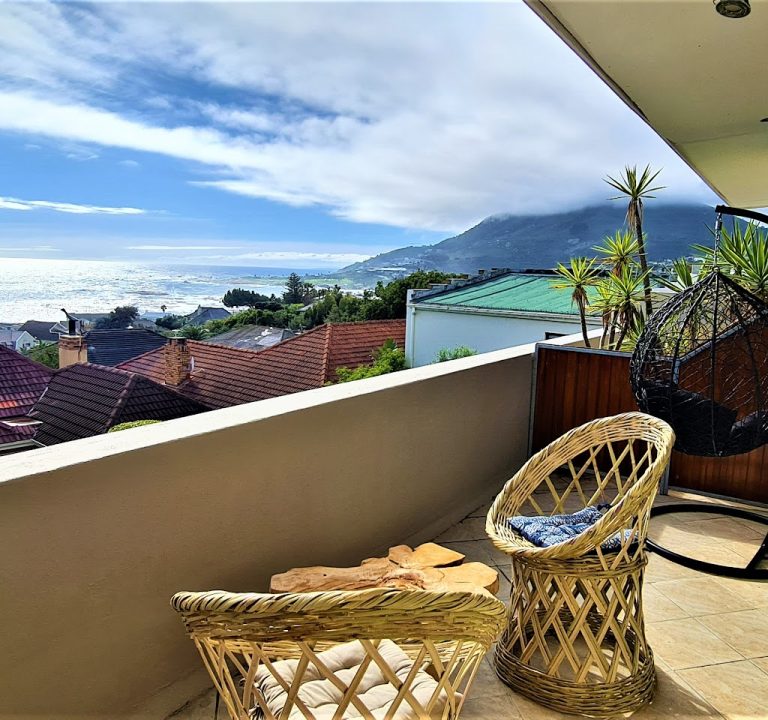
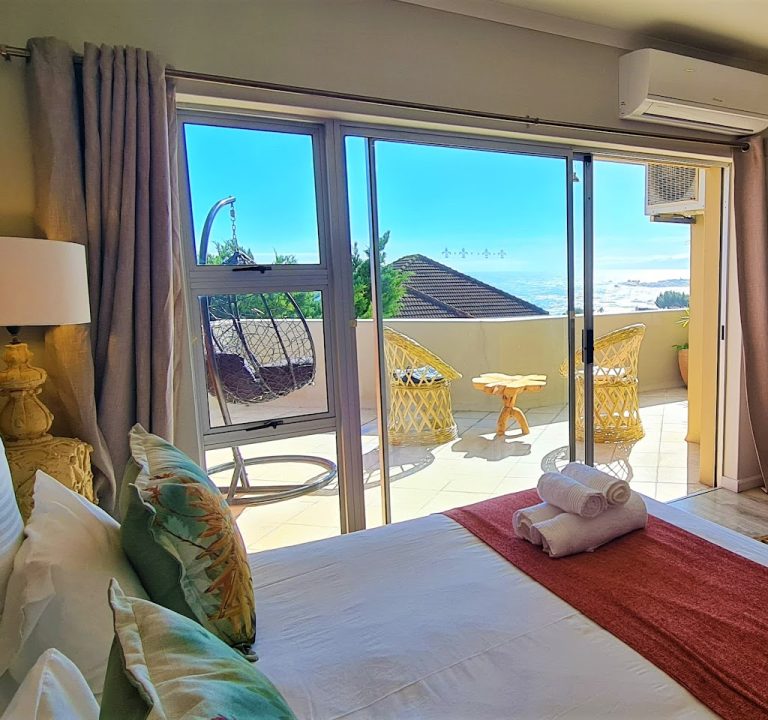
Typical amenities you might encounter include en-suite bathrooms, daily housekeeping on some levels, coffee-making facilities, and complimentary toiletries. Some properties offer larger suites with sea views, balconies, and even private terraces or small pools. A well-regarded feature for those seeking a memorable stay is a property that can arrange local guides, nature walks, or culinary experiences. Loaned bicycles or easy access to ride-hailing services can make short hops around the city straightforward, while a central property can reduce reliance on car travel if you prefer to explore by foot and taxi.
Accommodation in Cape Town often balances comfort with a sense of place. For those who enjoy a touch of luxury, expect stylish interiors, well-stocked minibar options, and concierge services that can assist with tickets, reservations, or personalised itineraries. For travellers seeking budget-friendly stays, guesthouses and charming B&Bs frequently offer warm hospitality, snug rooms, and breakfast inclusions, providing a good springboard into the city’s culture and landscapes. A blend of boutique hotels and serviced apartments can likewise deliver both comfort and convenience, enabling longer visits with more space and functional kitchens.
Best time to visit Cape Town depends on what you want from your trip. The summer months (roughly November to February) bring longer days and ideal beach conditions, along with a lively outdoor scene. Spring (September to November) and autumn (March to May) offer pleasant weather for hiking and sightseeing with fewer crowds, while winter (June to August) can be cooler and windier, but still a good time for art galleries, restaurants, and indoor attractions. Weather patterns can shift, so it’s wise to plan flexible itineraries that accommodate both fine days and occasional showers.
Practical tips for planning your stay include prioritising a “base” area to minimise long daily commutes. If you’re visiting for wine tours, book a stay in or near Constantia or the northern Winelands with day-trip transport arranged. If beaches and nightlife are high on your list, the Atlantic Seaboard or the City Bowl offer convenient hubs for walkable evenings and easy reads of the sunset from a terrace. Remember to verify cancellation policies, especially for peak-season trips, and check whether your chosen accommodation offers airport transfers or shuttle services. Booking platforms often provide filters for budget, star rating, and guest reviews, which can help you compare the feel of each property before committing.
As you plan, you may wish to pair your stay with local experiences that showcase Cape Town’s hospitality and scenery. Thoughtful options include guided hikes or cable-car trips for Table Mountain views, coastal walks along the Atlantic shore, visits to the Kirstenbosch National Botanical Garden, and excursions to the nearby Cape Point and chaparral landscapes. Dining experiences range from vibrant market breakfasts and seafood shacks along the coast to refined restaurants in leafy residential areas. For a rounded visit, combine a few experiences with a convenient accommodation choice to minimise travel time and maximise time on the ground. For instance, boutique hotels and serviced apartments in central districts can serve as anchors for a balanced itinerary, letting you explore quietly tucked streets and popular sights alike.
Example accommodation options in descriptions often include individual properties such as boutique hotels and self-catering apartments—for instance, a city-centre penthouse or a stylish penthouse-like flat—where guests can enjoy sweeping urban views, intimate interiors, and proximity to the city’s cultural pulse. When you see a property described with a distinctive sense of place, consider how its amenities align with your travel style and plan around moments of discovery, no matter whether you’re seeking a peaceful retreat or a launchpad for adventure.