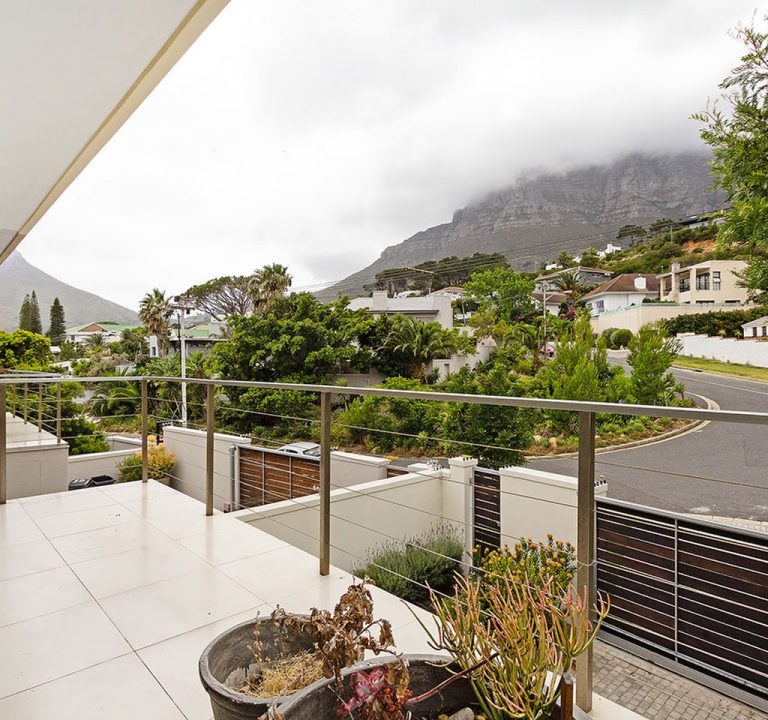
Accommodation and getting the most from Cape Town: where to stay and what to do
Cape Town, framed by the Atlantic and dominated by Table Mountain, offers a diverse tapestry of neighbourhoods, styles and experiences. When planning a stay, it helps to think about what kind of pace you want, how close you’d like to be to the city centre, beaches or wine country, and how you’ll get around. From cosy guesthouses and boutique lodges to modern apartments and family-friendly inns, there is something to suit most travellers and budgets.
Areas to consider include the City Bowl for easy access to sights, dining and nightlife; the Atlantic Seaboard for beach-front living with mountain vistas; and lush Constantia for a more tranquil, leafy escape with easy access to greens and winelands. If you want a mix of the outdoors and urban energy, a stay near the V&A Waterfront provides sheltered harbour views and convenient transport links. For a quieter base with easy day trips, consider Constantia or the southern neighbourhoods with quick access to Chapman’s Peak and the nature reserves nearby.
When booking, look for a few practical features that will enhance your stay. A comfortable bed and good lighting are essential, as is reliable heating or cooling for the seasons. A well-equipped kitchenette or access to a shared kitchen can save time and money, especially for longer stays or families. Helpful extras often make a difference: luggage storage, secure parking, friendly reception, and clear information about local transport options. If you plan to explore beyond Cape Town’s city limits, check for easy access to car hire services or rideshare options, and whether the property offers guidance on day trips to the surrounding winelands, coastal towns or nature reserves.
Typical amenities you may encounter include free fibre Wi‑Fi, tea and coffee provisions, laundry facilities, private or communal lounges, and outdoor spaces with views. Many boutique lodgings in Cape Town emphasise a personalised touch—hosts who can recommend routes up Table Mountain, best spots for sunrise from a favourite overlook, or family-friendly activities nearby. A few properties specialise in self-catering, which can be ideal for longer stays, while others offer daily housekeeping or breakfast options. If you’re travelling with a little extra luggage, a property with ample storage and safe, convenient access can make a real difference to your plans.
Transport around Cape Town is straightforward but should be planned in advance to avoid delays. The city’s MyCiTi bus network links many central areas and popular tourist hubs, while Uber and other ride-hailing services offer flexible options for short hops and after-dark returns. If you’re exploring the Cape Peninsula or Winelands, renting a car provides freedom and time efficiency. In peak season, allow for extra travel time, especially along the coastal routes and around the mountain trails, where parking and pedestrian activity can slow things down.
The best time to visit Cape Town depends on your priorities. Spring (September to November) and autumn (March to May) bring mild weather and fewer crowds, making it ideal for trails, city walks and outdoor dining. Summer (December to February) delivers lively beaches and longer daylight hours, perfect for coastal exploration, but can be busier and pricier. Winter (June to August) is cooler and wetter, yet still offers dramatic scenery, warm lodgings and indoor cultural offerings. It’s wise to book accommodation well in advance for peak periods, especially if you’re hoping to secure a particular neighbourhood or a specific property style.
For planning ideas, you might base a stay around a few core experiences. City explorations can include a stroll through historic districts, harbourfront walks, and viewpoints offering sweeping panoramas. Coastal days are well spent on beaches or scenic drives along the Atlantic Seaboard, with opportunities to enjoy fresh seafood and sunset vistas. A visit to nearby winelands regions offers elegant estates, tastings and fine countryside dining, with many routes designed to be enjoyed as relaxed day trips from the city base. Museums, galleries and theatre venues in the City Bowl provide cultural balance, from contemporary art to heritage storytelling.
One option to consider is a lodging with a distinctive character, such as a boutique guesthouse or lodge that blends style with practical comforts. For example, Merridew (http://merridew.co.za/) offers a lodging option that can serve as a comfortable base near a range of Cape Town’s attractions. It can be a convenient base for travellers looking to balance near-city convenience with a peaceful environment and local hospitality.
Practical planning tips to keep in mind:
- Read recent guest reviews to gauge consistency in cleanliness and service, not just price or location.
- Ask about transportation arrangements and proximity to main routes, especially if you plan day trips to the winelands or coastal towns.
- Check for essential amenities such as secure parking, reliable heating or cooling, and reliable Wi‑Fi for work or streaming.
- Consider breakfast options or access to a kitchen if you prefer flexibility in meal planning.
- Plan a mix of days—city-focused itineraries with lighter offshore days to enjoy the beaches or outdoor trails.
Cape Town rewards exploration with a careful blend of lodging, scenery and flavours. With a thoughtful choice of neighbourhood, a clear plan for transport, and a balance of activity and rest, your stay can capture the city’s character while offering comfortable respite at day’s end. Whether you choose a cosy lodge in a leafy suburb, a stylish apartment with harbour views, or a boutique guesthouse in the heart of the city, Cape Town is ready to welcome you with its familiar warmth and dramatic horizons.