Durban: A Guide to Staying Well and Exploring KwaZulu-Natal’s Coast
Durban, perched on KwaZulu-Natal’s coast, blends subtropical climate with vibrant culture, making it a popular base for visitors exploring the coastline, inland natural beauty and South Africa’s rich culinary scene. When planning a stay, consider choosing a neighbourhood that matches your pace and plans, from beachside mornings to leafy, walkable precincts close to cafes and shops.
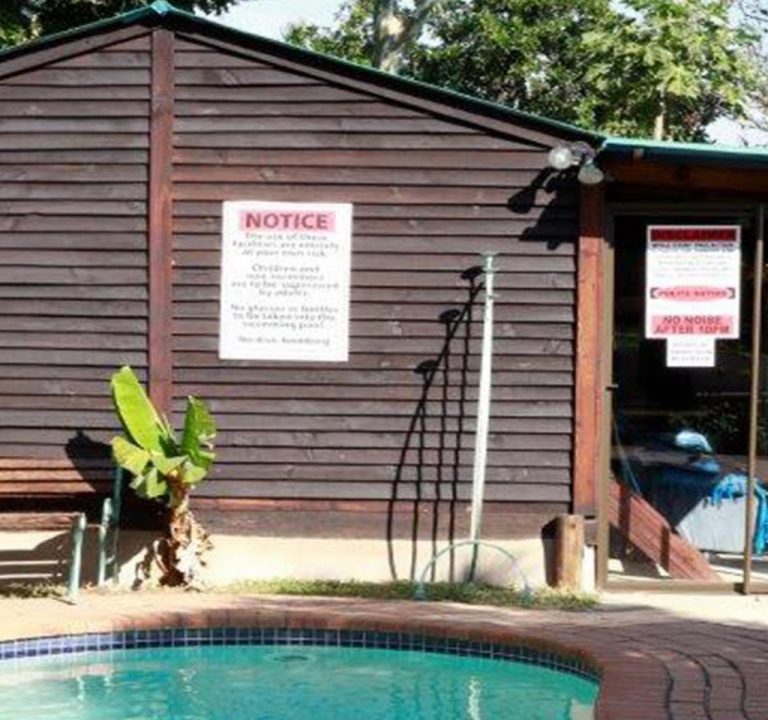
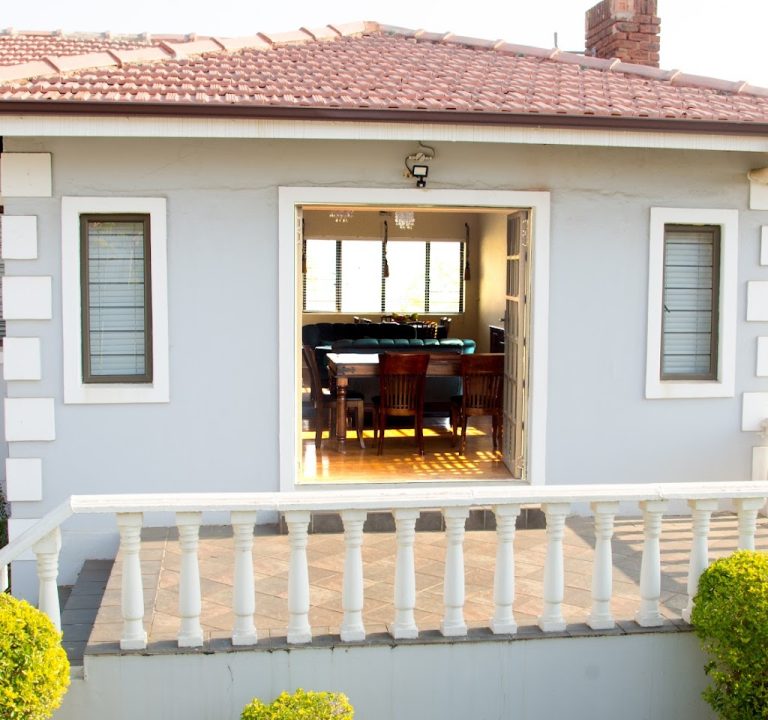
Durban offers a range of accommodation from boutique B&Bs and guesthouses to self-catering flats and larger hotels. For a quieter short break with a local flavour, you might seek out a bed and breakfast such as Lelasi Self-Catering Accomodation, which can provide a homely base with convenient access to nearby sights. When booking, look for hosts who can offer practical tips about transport, parking, and seasonal activities, as well as spaces that suit your travel rhythm—whether you want a compact studio kitchen for self-catering or a light-filled room with easy access to the street and the sea breeze.
Areas to consider include:
- Durban North and the northern beaches for relatively quieter stays with easy access to coastal paths and family-friendly beaches.
- Bereavement of Umhlanga and the Umhlanga Rocks area for a resort-style feel, modern amenities and a concentration of dining and shopping options.
- Central Durban and the Point, including the downtown fringe, for a lively arts and urban vibe with proximity to markets and historic sights.
- Glenwood and Morningside for leafy streets, boutique eateries and convenient access to the university, museums and cultural institutions.
What to look for when booking:
- Transport access: Proximity to major routes, MyCiTi bus stops, or railway stations can save time. If you are driving, check on-site parking or secure, nearby options.
- Meal arrangements: Some B&Bs offer a continental or full breakfast, while self-catering options provide kitchen facilities for flexibility.
- Amenities: Free Wi-Fi, air conditioning or fans, laundry facilities, and comfortable communal spaces can greatly improve comfort in Durban’s warm climate.
- Safety and access: Well-lit entrances, secure access, and straightforward routes from parking to rooms are worth confirming, especially if you plan evening outings.
- Cancellation terms: Flexible options can be helpful given Durban’s changing weather patterns and potential itinerary shifts.
Typical amenities you may encounter include private or en-suite bathrooms, daily housekeeping, access to a shared lounge or verandah, and kitchens or kitchenettes in self-catering properties. Some hosts arrange organised experiences or local recommendations, from guided walks in nearby parks to recommendations for safe, family-friendly attractions. When staying in a B&B or guesthouse, expect hosts to provide helpful local tips that reflect current conditions, tides, and traffic patterns.
When planning activities, Durban’s coast offers a diverse palette. Beach days on golden sands, a stroll along scenic promenades, or a family-friendly harbourfront atmosphere can be complemented by cultural experiences in nearby museums, galleries and markets. For dining, Durban’s restaurant scene ranges from casual coastal cafes to contemporary eateries focusing on seafood and regional flavours. Rather than fixed names, you can anticipate a sea-savoury approach to menus, seasonal produce, and a welcoming pace that suits a day by the shore or a day of exploring the city’s history.
Practical tips to help you plan a relaxed visit:
- Best time to visit: Durban has a warm subtropical climate. The dry winter-spring window tends to be most comfortable for outdoor days, though summer brings lush greenery and longer daylight for beach and outdoor markets. Consider the sea breeze and occasional thunder showers when planning late afternoons.
- Transport: A car offers flexibility to explore beyond the coast, but MyCiTi buses, rideshare services and short city walks cover the core areas well. If you plan day trips to the inland countryside or wildlife reserves, a rental car is convenient.
- Weather preparation: Pack light layers, a sun hat, sunscreen and a light rain jacket for sudden showers. Beach gear and a compact towel can be handy for spontaneous swims or harbourfront strolls.
- Safety and etiquette: Stay aware of your surroundings in busier city areas, especially after dark. Lock accommodations securely and use the well-trodden routes recommended by your host or hotel staff.
- Food and markets: Try local markets and casual eateries for fresh produce and regional twists on familiar dishes. Many places offer flexible dining options, from quick bites to leisurely meals with a view.
In sum, Durban offers a welcoming mix of coastal leisure, urban culture and easy access to natural beauty. Whether you choose a boutique B&B near the seafront, a self-catering base in a leafy suburb, or a hotel with modern comforts in the city core, plan around a neighbourhood that aligns with your activities, and look for rooms that balance comfort with practical conveniences. With careful selection, your Durban stay can be a relaxed anchor from which to explore this vibrant KwaZulu-Natal region.